
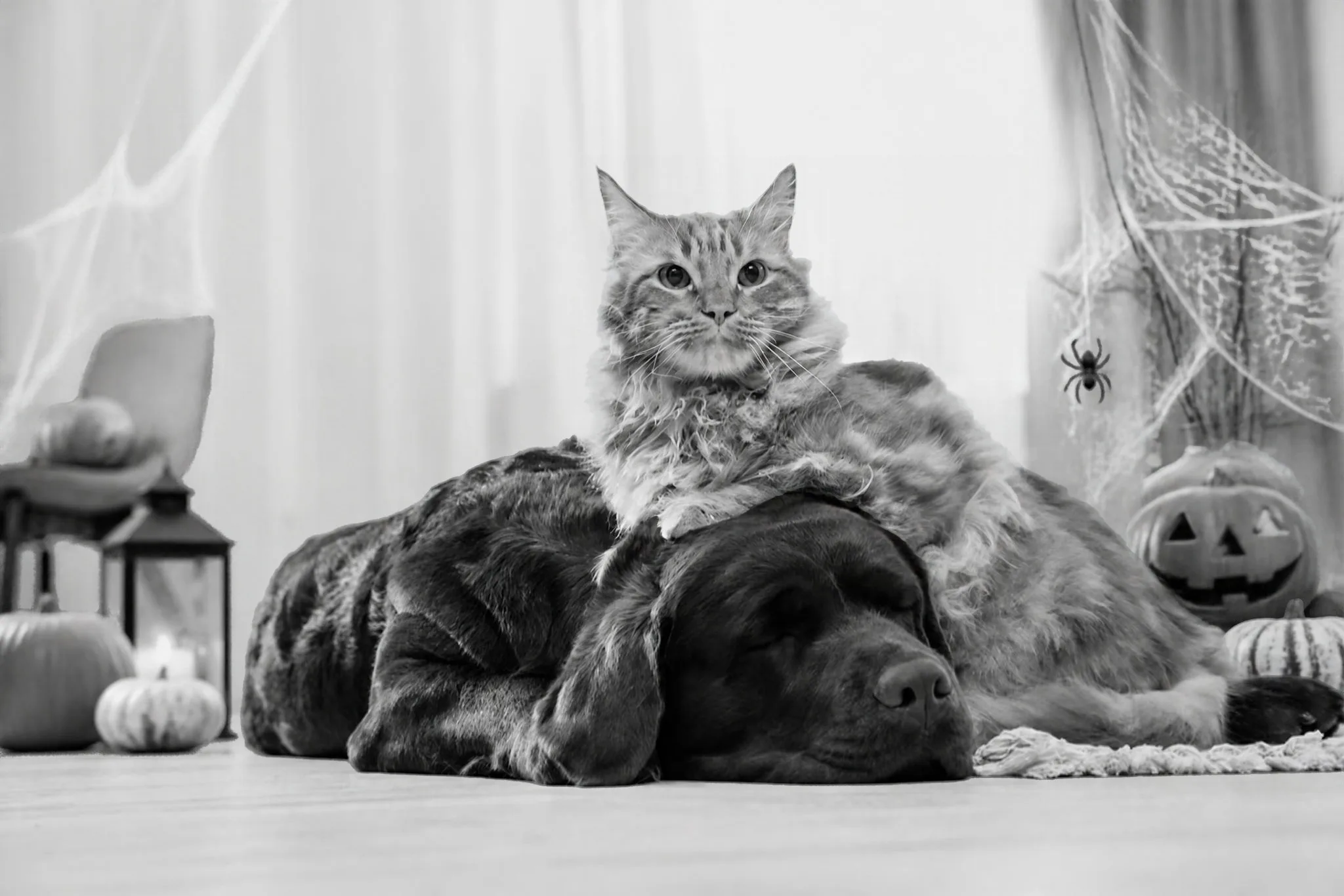
Halloween can be a terrifying time for many pets. Fireworks, trick-or-treaters at the door, unusual noises and disruptions to routine can all cause anxiety and fear. Taking a few simple precautions can help keep your pets safe, calm and comfortable.
Before Halloween
Check your pet’s identification details
- Ensure your pet is microchipped and that your contact details are up to date.
- Make sure dogs wear a collar and ID tag with current contact information.
- Check that fences, gates and garden boundaries are secure.
Plan ahead
- Walk dogs earlier in the day before fireworks are likely to begin.
- During the Halloween period, keep dogs on a lead outdoors as unexpected fireworks can cause even normally confident dogs to panic and run.
- If your cat usually goes outdoors, bring them inside before dark and prepare a litter tray for indoor use.
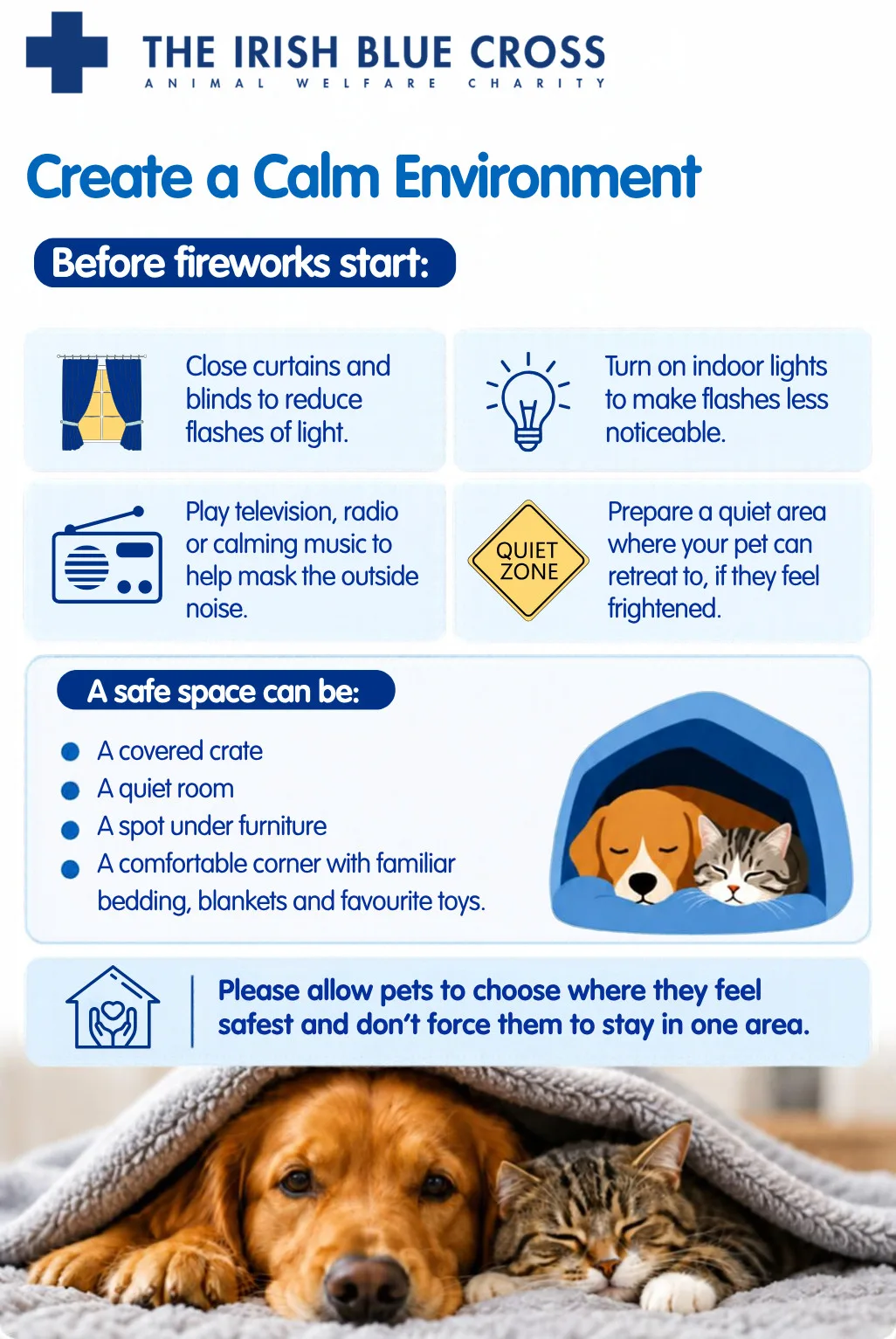
During Fireworks
Keep pets indoors
- Do not leave pets in gardens, cars or tied outside shops.
- Keep windows, doors and cat flaps closed.
- If your dog needs to go outside to toilet, accompany them and keep them on a lead.
Stay calm
- Pets often take cues from their owners. Try to remain relaxed and keep routines as normal as possible.
- If your pet seeks comfort, provide reassurance through gentle interaction and a calm voice.
- If they prefer to hide, let them do so.
Never punish fearful behaviour
Barking, pacing, hiding, shaking, house-soiling or clinginess are often signs of fear, so punishment will only increase anxiety.
For more information on dealing with fireworks for your dog, visit this page and for cats, visit this page.
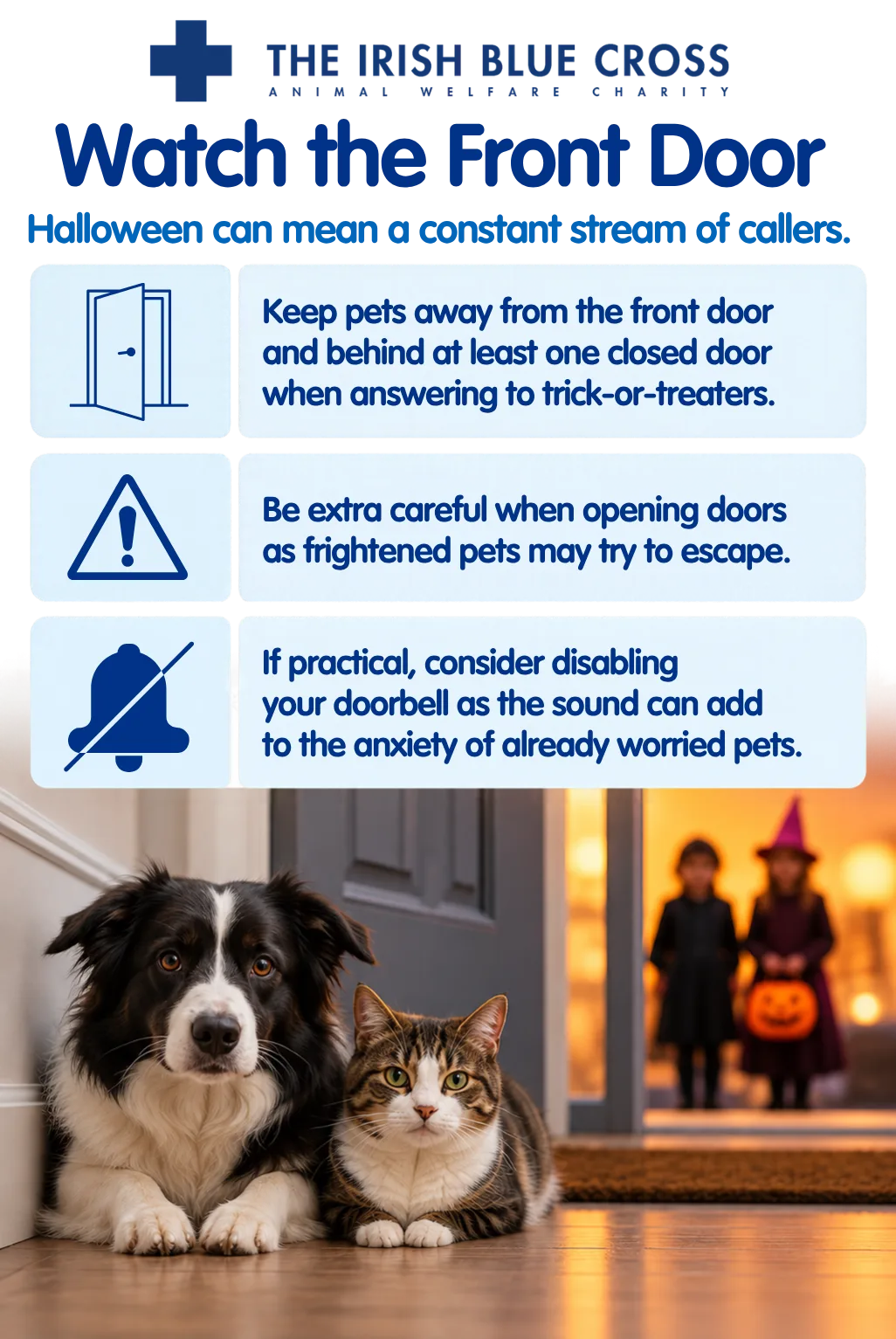
Keep Treats Out of Reach
Many Halloween treats are dangerous for pets.
Keep the following well out of reach:
- Chocolate
- Grapes
- Raisins
- Sweets and sugar-free products
- Any food containing xylitol
If you suspect your pet has eaten something toxic, contact a veterinary practice immediately.
Avoid Costumes
While costumes may seem harmless, many pets find them uncomfortable or stressful. Dressing up animals can:
- Increase anxiety
- Restrict movement
- Cause overheating
- Increase the risk of fear-related scratching or biting
If a pet shows any signs of distress, remove the costume immediately.
Additional Support for Nervous Pets
Some pets benefit from:
- Pheromone diffusers or sprays
- Calming supplements recommended by a vet
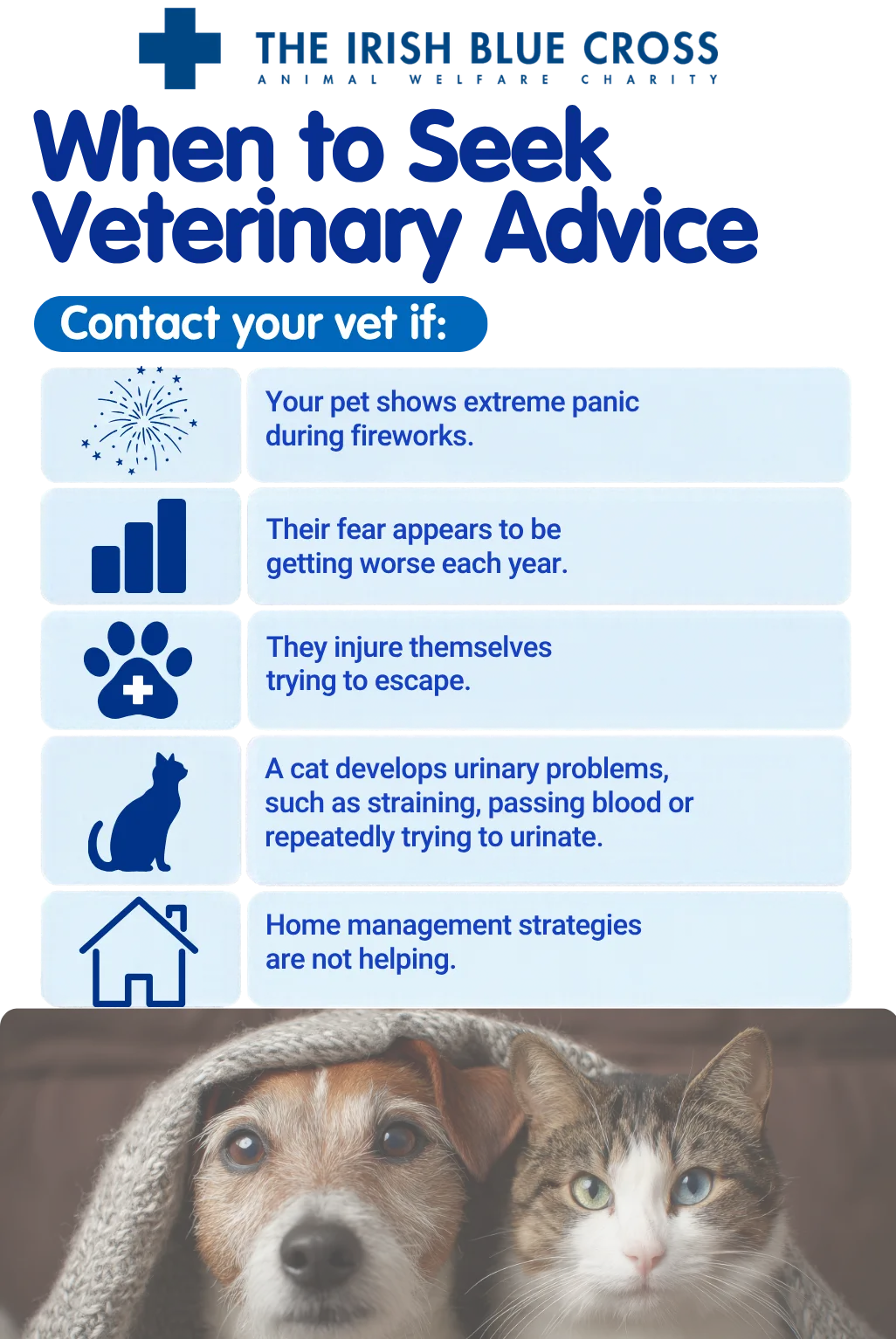
For pets with a history of severe firework fear, speak to your vet well in advance. Behavioural support or medication may be appropriate in some cases.
Summary
Halloween can be unpredictable, with fireworks occurring before, during and after 31st of October. A little preparation can make a significant difference. Keeping pets indoors, providing a safe space, maintaining normal routines and ensuring identification details are up to date are some of the most effective ways to protect pets during what can be a very stressful time.
Many dog owners feel they understand their dog well. However, dogs communicate very differently from humans, and most of their communication happens through body language.
Understanding these signals can help prevent misunderstandings and improve the relationship between dogs and people.
Research shows that most dog bites happen in familiar environments and often involve people the dog already knows. In many cases, the dog has given warning signals beforehand, but these signals were not recognised.
Learning to read dog body language can help keep both people and dogs safe.
Why Dogs Use Body Language
Dogs have lived alongside humans for thousands of years, but they still retain many of their natural instincts such as guarding, herding and hunting.
When a dog feels uncomfortable or threatened, they usually try to communicate this through body language first. Biting is generally a last resort, used when the dog feels they have no other option to make a scary situation stop.
Before this point, dogs often show a range of subtle signals to try to avoid conflict.
Early Warning Signs of Stress
Dogs often give subtle signals when they feel worried or uncomfortable.
Common early signs include:
- Turning their head away
- Lip licking or nose licking
- Yawning when not tired
- Sniffing the ground suddenly
- Raising a paw stiffly (not like ‘giving the paw’)
- Trying to move away
These behaviours are sometimes called calming signals. They are ways dogs try to reduce tension and communicate that they want space.
If you notice these signs, it’s best to give the dog some room.
Considering the Situation
Body language should always be interpreted alongside the situation your dog is in.
For example, a dog shaking their body after a swim is simply drying off. However, dogs may also perform a full body shake after a stressful event, such as meeting an unfamiliar dog or hearing a loud noise. This behaviour can help them release tension.
Looking at both the behaviour and the environment helps you understand what your dog may be feeling.

Signs Your Dog is Uncomfortable
When dogs feel worried or uneasy, their body language changes.
Signs to watch out for include:
- A low or tucked tail
- Stiff body posture
- Ears pinned back
- Avoiding eye contact
- Turning their head away
- Lip licking or repeated yawning
- Freezing or becoming very still
- Whale eye: when a dog turns their head slightly away but keeps their eyes fixed on something, so the white part of the eye becomes clearly visible. This can make the eye look wide or tense.
Some dogs may also roll onto their back but remain stiff rather than relaxed. This can be a sign of appeasement, meaning the dog is trying to show they are not a threat.
If you see these signs, it’s best to give the dog space.
Signs a Dog May Become Aggressive
If a dog feels extremely threatened or frightened, their body language may escalate.
Possible warning signs include:
- A stiff or rigid tail
- Very tense body posture
- Intense staring or fixed eye contact
- Ears pulled tightly forward or flat back
- Showing teeth
- Growling
These behaviours are serious warnings and ignoring them can increase the risk of a bite.
If a dog begins showing these signals, stop interacting and give them space immediately.
Why Dogs Sometimes Bite
Dogs may bite for several reasons, including fear or anxiety, pain or illness, feeling trapped or unable to escape or lack of socialisation with people or situations.
Dogs that have not been gradually introduced to everyday experiences may find normal situations frightening, which can lead to defensive behaviour.
Summary
Dogs communicate clearly through their posture, facial expressions and movement. By learning to recognise these signals, we can respond appropriately and avoid situations that may cause stress.
Understanding what your dog is trying to say helps build trust — and leads to a safer, happier relationship for both of you.

Many common garden and house plants can be harmful to dogs. While some may only cause a mild upset tummy, others can lead to more serious illness, particularly if your dog eats a large amount.
Most dogs will naturally avoid plants that don’t smell or taste right to them. However, curious puppies and young dogs are much more likely to investigate with their mouths.
Knowing what plants to watch out for, and recognising the signs of poisoning, can help you act quickly if something goes wrong.
If you’re worried that your dog has eaten something they shouldn’t have, always contact your vet straight away for advice.
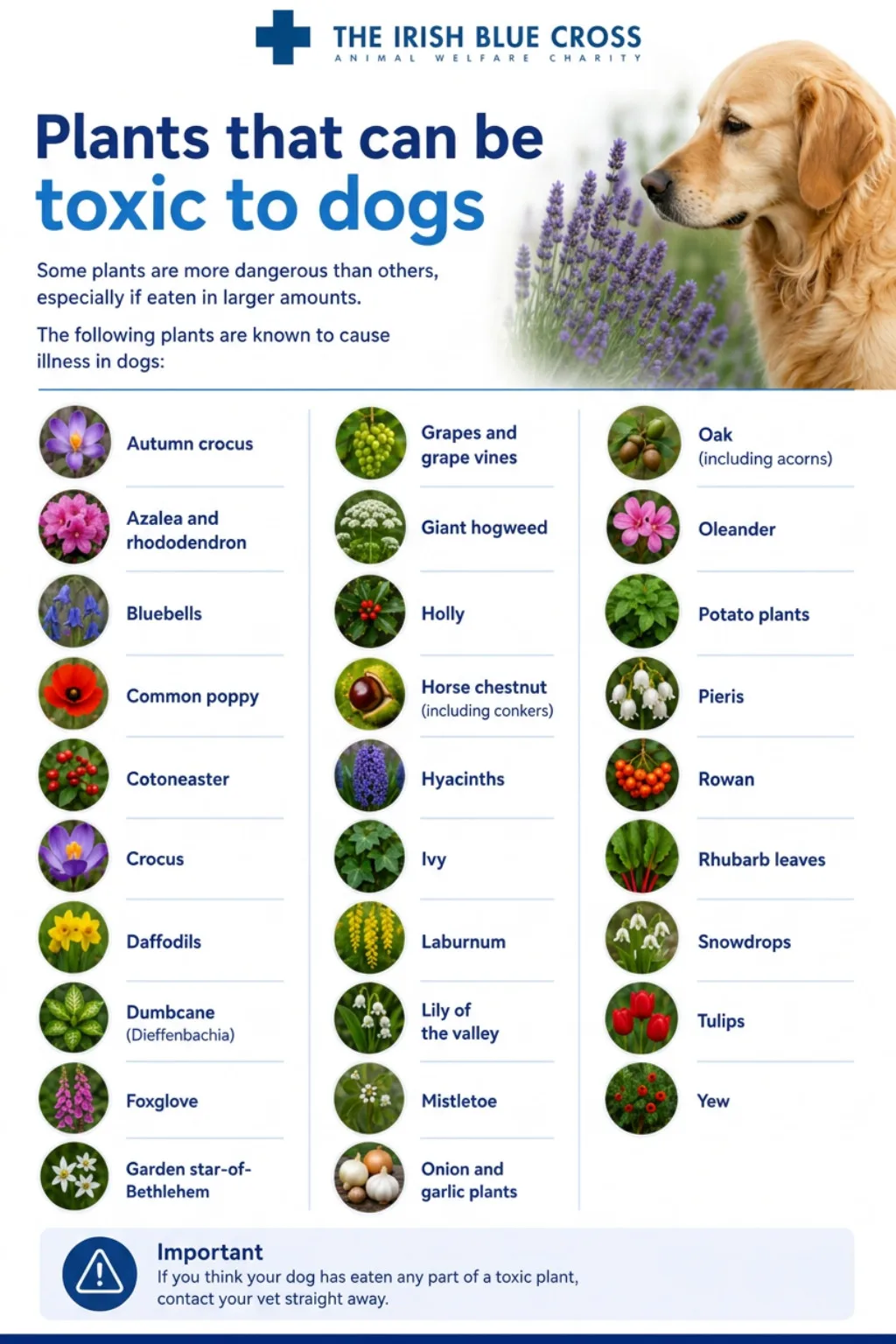
In some cases, only certain parts of a plant are toxic, such as bulbs, berries or leaves. As it’s not always easy to tell which parts are dangerous, it’s safest to keep your dog away from the entire plant.
Most plant poisonings cause mild symptoms, but some can be serious, particularly if several plants are eaten in a short space of time.
It’s also worth remembering that this isn’t a complete list. New plant risks are still being identified, and even plants not known to be toxic can cause problems if eaten in large quantities.
Are There Dog-Friendly Plants?
There’s no guaranteed list of plants that are completely safe for dogs. Plant identification can be tricky, and many plants, even those considered low risk, may still cause stomach upset if chewed or swallowed.
For this reason, it’s best to keep houseplants out of reach and supervise your dog in the garden and on walks.
Signs of Plant Poisoning in Dogs
Symptoms can vary depending on the plant and how much was eaten, but common signs include:
- Drooling or excessive salivation
- Loss of appetite
- Low energy or lethargy
- Vomiting or diarrhoea (sometimes with plant material present)
- Drinking or urinating more than usual
- Skin redness or rashes
- Mouth sores or ulcers
- Pale gums
- Muscle twitching or seizures
- Collapse
If your dog shows any of these signs, or you think they may have eaten a poisonous plant, contact your vet immediately.
Other Garden Hazards to Be Aware of
Gardens and green spaces can contain other hidden dangers:
Compost and grass clippings
These can grow harmful moulds and bacteria so, always store compost securely and keep dogs away from freshly cut grass.
Fungi and mushrooms
Often appearing in warm, damp conditions, especially in autumn and some mushrooms can be life-threatening if eaten.
Pesticides, weed killers and fertilisers
Many garden products are toxic to pets so, please avoid using them where your dog plays, and block off treated areas.
Grass seeds
Grass seeds can become lodged in your dog’s skin, paws, ears or armpits, causing irritation, infection and sometimes serious complications. They’re common in long grass during spring and summer, not just freshly seeded lawns.

Dogs are loved pets in many homes, but even the best-behaved dogs can develop habits that their owners can find frustrating. Pulling on the lead, jumping up at visitors or barking at other dogs are common issues that many owners experience.
The good news is that most unwanted behaviours can be improved with patience, understanding and the right training approach.
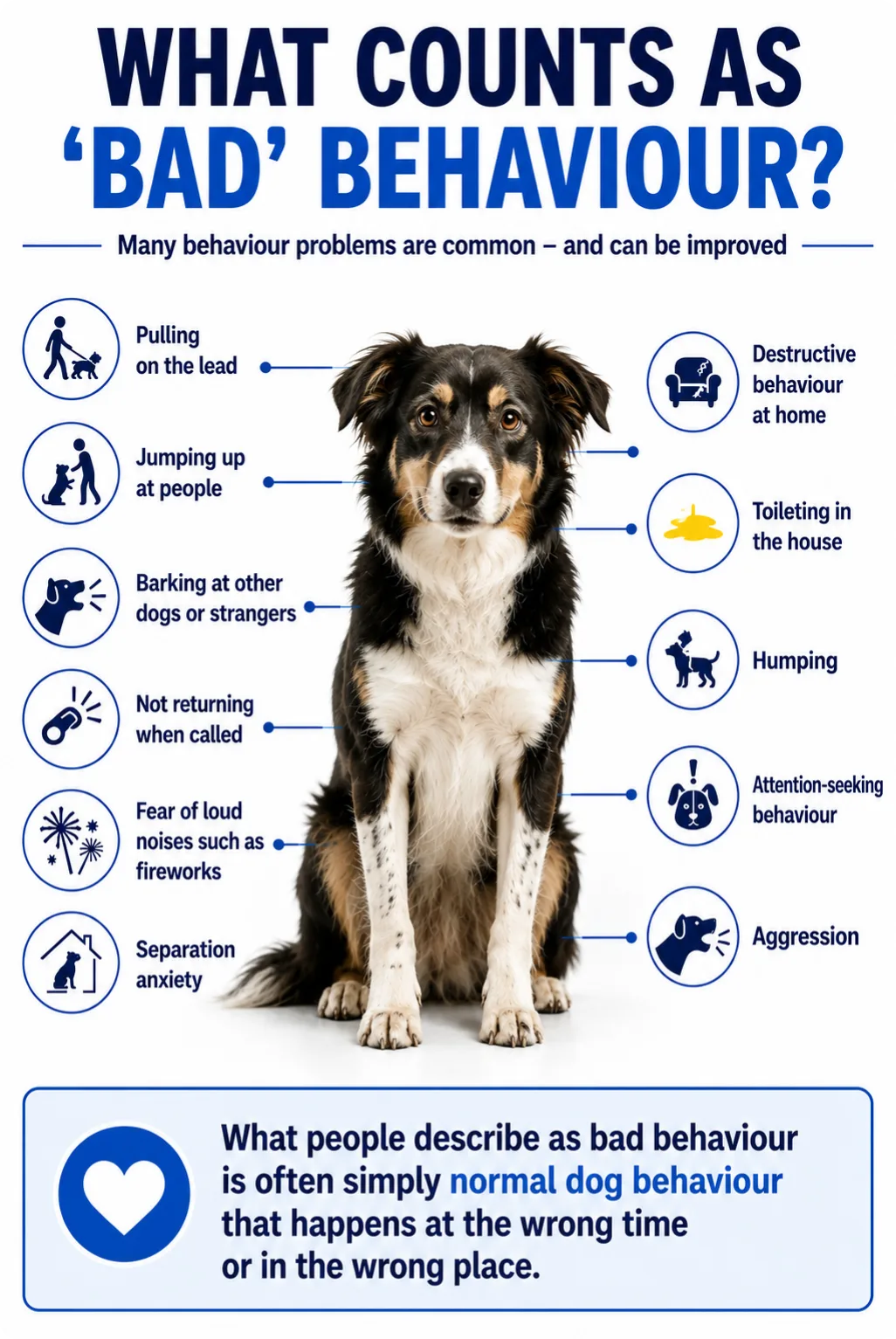
Some behaviours are minor annoyances, while others can affect a dog’s wellbeing or even become dangerous if not addressed early.
Does My Dog Need Help?
Small behaviour problems can sometimes be improved by revisiting basic training. For example, if your dog stops coming back when called, practising recall again in a quieter environment with fewer distractions can help rebuild the behaviour.
Dogs benefit from ongoing training throughout their lives. Even well-trained dogs may need occasional refresher training to reinforce good habits.
However, some behaviour problems are more complex and may require professional support.
When to Speak to Your Vet
If your dog’s behaviour changes suddenly or becomes more severe, it is always best to speak to your vet first.
Pain, illness or discomfort can cause behaviour changes in dogs, so it’s best to have a veterinary check-up to diagnose or rule out underlying medical causes before you start behaviour training.
Your vet may also recommend training advice or refer you to a qualified behaviour professional if needed.
Getting Help from Trainers or Behaviourists
If training at home is not working, professional support can be helpful.
A qualified dog trainer can help with common training issues such as:
- Loose lead walking
- Recall
- Jumping up
- Basic obedience
For more serious or complex problems, such as aggression or severe anxiety, a certified dog behaviourist may be recommended. Behaviourists assess the underlying cause of the behaviour and develop a structured training plan for both dog and owner.
Behaviour Modification Training
Behaviour modification focuses on helping dogs learn alternative, more appropriate behaviours but several approaches may be used, depending on the problem.
Reward-Based Training
Reward-based training focuses on reinforcing behaviours you want to see.
This approach may involve using the following as rewards:
- Treats
- Praise
- Play
- Toys
When dogs are rewarded for good behaviour, they are more likely to repeat it.
For example, if your dog chews household items, providing appealing chew toys and rewarding your dog for using them can help redirect the behaviour.
Punishment-based methods can cause fear and stress and can damage the relationship between dog and owner, so they are discouraged.
Counter-Conditioning and Desensitisation
Counter-conditioning and desensitisation aim to change a dog’s emotional response to something they find frightening.
This involves gradually exposing the dog to the trigger at a safe distance while pairing it with something positive, such as treats or praise.
As this technique must be done carefully to avoid making the problem worse, it is best carried out with guidance from a qualified behaviour professional.
This is not to be confused with ‘flooding’ a technique of over-exposing a dog to something they are afraid of to ‘get them over it’. The easiest way to describe flooding is to be put in a room full of spiders if you were terrified of them. This would be most likely to make your fear worse and distress you.
Active Supervision Around Children
Even well-behaved dogs should always be actively supervised when around children.
Children can behave unpredictably and may not recognise when a dog is becoming uncomfortable.
Learning to Read Dog Body Language
Dogs communicate constantly through body language. Recognising early signs of stress can help prevent problems before they escalate.
Signs a dog may be uncomfortable include:
- Lip licking
- Yawning
- Turning their head away
- Moving away from a situation
- A stiff body posture
If you notice these signals, giving the dog space can prevent further stress.
Summary
Unwanted behaviour can be frustrating, but with patience and the right support, many dogs improve significantly.
The most important steps are:
- Understanding why the behaviour happens
- Staying calm
- Using positive reinforcement training methods
- Seeking professional help when needed
With time, guidance and consistency, many behaviour challenges can be successfully managed, helping both you and your dog to enjoy a happier life together.


If your dog’s eye looks red, puffy or irritated, it’s easy to assume it’s just a minor infection but many different conditions can cause these signs.
Eye problems can worsen quickly, so early treatment is very important. If you notice any change in your dog’s eyes, please contact your veterinary practice promptly. Delaying treatment can lead to more serious complications, including permanent damage to sight.
General Information
Redness and swelling are signs of inflammation. To help your vet assess the problem, make a note of any other symptoms, such as:
- Squinting or holding one eye closed
- Excessive blinking
- Rubbing at the face
- Watery, sticky or coloured discharge
- Sensitivity to light
- Cloudiness
- A change in the size or shape of the eye
If your dog appears painful, lethargic, or distressed, ask for an urgent appointment.
Common Causes of Red or Swollen Eyes
There are many possible causes, including:
Conjunctivitis
Inflammation of the lining of the eyelids and eye surface. This can be caused by bacteria, viruses, allergies or irritants.
Corneal Ulcers
A scratch or wound on the surface of the eye. These are painful and may cause redness, discharge and squinting. Ulcers require prompt treatment.
Foreign Bodies
Grass seeds, dust, sand, smoke or minor trauma (including a scratch from another animal) can irritate the eye.
Dry Eye (Keratoconjunctivitis Sicca)
Reduced tear production can leave the eye dry, inflamed and uncomfortable. Without treatment, this condition can cause long-term damage.
Allergies
Environmental or skin allergies can lead to itchy, inflamed eyes.
Eyelid or Eyelash Problems
Inward- or outward-turning eyelids, or eyelashes that rub against the eye, can cause ongoing irritation.
Glaucoma
Increased pressure inside the eye. The eye may appear red, cloudy, painful or larger than normal. Glaucoma is an emergency and requires immediate veterinary attention.
Uveitis
Inflammation inside the eye. You may notice changes in pupil size, colour or cloudiness. Uveitis can be linked to underlying illness.
Exposure Keratitis
More common in flat-faced breeds such as Pugs, Shih Tzus and Bulldogs. Because their eyes are more prominent, they may not blink fully, leading to dryness and inflammation.
Masses or Tumours
Growths affecting the eyelids or structures around the eye can cause irritation and swelling.



Sharing your life with a cat can be hugely rewarding. However, caring for a cat properly is a long-term financial commitment. Before bringing a new cat or kitten home, it’s important to understand the likely costs involved over their lifetime.
Many cats live well into their mid to late teens, and some reach 18–20 years of age. Planning ahead helps ensure you can provide consistent care throughout that time.
Below is a guide to the typical costs associated with cat ownership in Ireland. Please note that prices can vary depending on location, product choice and your cat’s individual needs.
 Ongoing Monthly Costs
Regular monthly expenses generally include:
- Food: €25–€70 (depending on brand and dietary needs)
- Litter: €20–€35
- Routine parasite prevention: €10–€20
- Pet insurance (if chosen): €20–€35
Monthly costs often fall between €75 and €150 but may be higher if your cat requires a specialist diet.
Annual Costs
In addition to monthly expenses, you should budget for:
- Annual veterinary health check and vaccinations: €60–€120
- Professional pet sitting or boarding (if needed): €150+ depending on duration
Unexpected illness or injury can result in significant veterinary bills. Insurance can help spread risk, but policies vary. Look for cover that protects your cat for ongoing conditions over their lifetime rather than for a limited period.
Microchipping and Neutering
Microchipping is strongly recommended for all cats. It greatly increases the chances of being reunited if your cat goes missing. While not currently a legal requirement for cats in Ireland, it is considered best practice for responsible ownership.
Outdoor Access and Cat Flaps
If you plan to allow outdoor access, a microchip-activated cat flap is recommended. These open only for your cat, helping prevent entry by other animals. Installation costs depend on the type of door or wall involved.
Even if your cat goes outdoors, it is advisable to provide an indoor litter tray at all times.
Planning for the Future
Beyond everyday expenses, please also consider:
- Emergency veterinary treatment
- Dental care
- Age-related health conditions
- Long-term medication
- Holiday care
The overall yearly cost of owning a cat in Ireland can easily exceed €1,500 per year, depending on circumstances.
Making an Informed Decision
Cats depend entirely on us for their welfare. Before taking on the responsibility, make sure you are comfortable with the long-term financial commitment as well as the time and care involved.
If you would like advice about preparing for a new cat, neutering support, or responsible ownership, please chat to your local animal rescue organisation or veterinary practice.


Encounters between dogs and deer can happen unexpectedly, so it is important for owners to manage their dogs carefully in these environments.
Most deer will try to avoid people and dogs. However, if they feel threatened or if a dog chases them, the situation can quickly become dangerous for both the wildlife and your dog.

Before visiting forests, parks or nature reserves, it is also helpful to check if there are local rules requiring dogs to remain on a lead to protect wildlife.
Your dog should always be microchipped and wearing a collar with an ID tag, with contact details kept up to date.
Why it’s Important to Prevent Chasing
Allowing a dog to chase wildlife can cause serious harm. Deer can become exhausted or injured when pursued, and dogs themselves may be injured if a deer defends itself.
In Ireland, dog owners are legally responsible for keeping their dogs under control. If a dog worries livestock or wildlife, the owner may face penalties under Irish dog control legislation.
Preventing your dog from chasing wildlife protects both your dog and the animals sharing the environment.
Times When Deer May Be More Defensive
Although deer usually avoid confrontation, they may behave more defensively during certain times of the year.
You should be especially cautious during:
- Birthing season (May to July) when females may be protecting young calves
- Rutting season (September to November) when male deer may be more territorial
During these periods, keeping your dog close and avoiding areas where deer are present is particularly important.
What to Do if a Deer Approaches
If a deer moves towards you or appears agitated:
- Remain calm and move away slowly
- Try to place a large object, such as a tree, between you and the deer
- Give the animal space so it can move away safely
Most deer will leave once they feel they are no longer threatened.
Deer, Ticks and Your Dog
Areas where deer live can have higher numbers of ticks.
After walking your dog in areas where deer are present:
- Check your dog’s coat carefully for ticks
- Remove any ticks promptly using an appropriate tick removal tool
- Consider using preventative tick treatments recommended by your veterinary practice
Regular tick checks are particularly important after walks in woodland, long grass or bogland.

Bringing a puppy into your life is exciting. For many families, it marks the beginning of years of companionship, fun and loyalty.
However, behind some puppies advertised online or sold through classified sites, lurks breeding facilities where dogs are bred only for profit.
Puppies are not blank slates, they are a combination of genes, breed traits and the first few weeks of their lives, the environment and experiences they have been subjected to.
Puppy farming remains a significant welfare concern, so we strongly advocate for people to adopt a dog or puppy where possible.
Unfortunately, many people unknowingly support unscrupulous breeders, simply because they don’t know what to look out for when buying a puppy.
This page will help you understand:
- How puppy farming operates in Ireland
- The laws designed to regulate dog breeding
- The warning signs when buying a puppy
- How to find a responsible breeder or adopt safely
Most importantly, it will help you make a choice that protects both your future dog and the welfare of breeding animals.
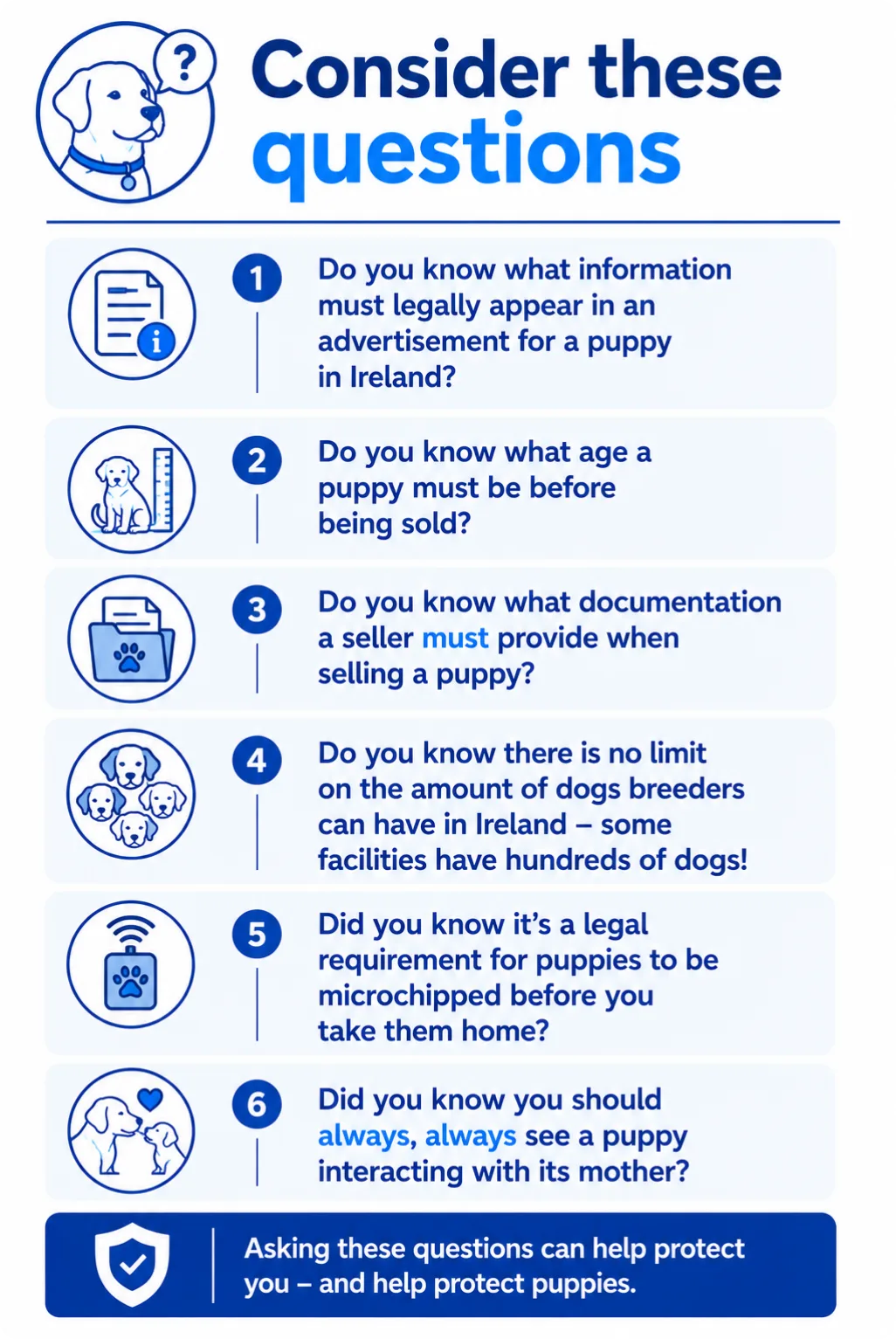
How Confident Are You That You Could Recognise a Puppy Farmer?
Many people feel confident; until they see the warning signs.
The Reality of Puppy Farming in Ireland
Ireland has historically been one of the largest exporters of dogs in Europe. While some breeders operate responsibly, there are also dog breeding establishments where dogs are kept for the commercial production of puppies.
While poor welfare can take place at any sized breeding establishment, some have very large numbers of breeding dogs and very few staff to look after them.
Even when licensed, dog breeding can raise serious welfare concerns if standards are not properly monitored or enforced.
Dogs in intensive breeding environments may experience:
- Repeated breeding cycles
- Limited socialisation
- Confinement for long periods
- Health or behavioural issues
When puppies from these environments are sold to families, the consequences can include veterinary problems, behavioural challenges and emotional distress for both the dogs and their owners.

How to Find a Responsible Breeder
If you decide to buy a puppy rather than adopt, take time to research the breeder carefully.
A responsible breeder will:
- Allow you to visit the premises more than once
- Show you the puppy happily interacting with their mother
- Provide health records and microchip information
- Ask questions about the home the puppy is going to
- Raise puppies in a clean, enriched environment
They will also be transparent about their breeding practices and happy to discuss the long-term welfare of their dogs.
What Does Irish Law Say?
Ireland has introduced legislation intended to regulate dog breeding and improve transparency for buyers.
Two important pieces of legislation are:
Dog Breeding Establishments Act 2010
This law requires any premises with six or more female dogs capable of breeding to register as Dog Breeding Establishments (DBEs).
Local authorities are responsible for inspecting and maintaining registers of these establishments.
However, registration alone does not guarantee high welfare standards, and buyers must still carry out careful checks.
Sale, Supply and Advertising of Pets Regulations 2020
These regulations were introduced to improve transparency in the sale of pets.
They require that:
- Advertisements for pets must include the seller’s registration or DBE number
- The puppy’s microchip number must be provided
- The puppy’s date of birth and age must be stated
- Sellers must provide identification and traceability for pets
These measures are designed to help buyers trace where a puppy came from and discourage illegal breeding and trading. However, many buyers are not aware of these rules, which means illegal or misleading adverts can still go unnoticed.
Consider Adoption
There are hundreds of dogs in Ireland right now waiting for homes through animal charities and rescue organisations, and they often have puppies available for adoption.
Adopting a dog can be incredibly rewarding and also helps reduce the demand that fuels large-scale breeding, as well as creating space for another dog in a rescue.
Rescue centres can also help match dogs to suitable homes based on lifestyle and experience.
Every Buyer Has the Power to Make a Difference
Puppy farming continues because there is demand for puppies.
By choosing where and how you get your dog, you can help shape the future of dog welfare in Ireland.
Before bringing home a puppy:
- Take time to research rescues, breeders, dog breeds
- Ask lots of questions
- Walk away if something doesn’t feel right
Choosing responsibly protects not only your future dog, but also the welfare of the dogs used for breeding. Unscrupulous breeders only breed because there’s a demand for their puppies!

There are many different types of dog food available in pet shops, supermarkets and veterinary practices. Whatever type you choose, it should be labelled as complete dog food.
A complete food contains all the nutrients, vitamins and minerals your dog needs for a balanced diet. Complementary foods (such as mixers or toppers) do not provide full nutrition on their own.
Complete dog food comes in several forms, including dry and wet, so you can choose the option that best suits your dog and your lifestyle.

Raw or Home-Prepared Diets
Some owners choose to feed raw or home-cooked diets made from meat, fish, rice or vegetables.
This is the most complicated way to feed a dog and carries a high risk of nutritional imbalance if not properly formulated. Homemade diets are unlikely to provide all essential nutrients unless carefully designed by a qualified veterinary nutritionist.
Raw diets may also pose health risks due to bacterial contamination.
If you are considering this type of feeding, speak to your vet first.
Prescription and Special Diets
Some dogs require special diets due to medical conditions such as:
- Diabetes
- Food allergies
- Kidney disease
- Joint problems
- Heart disease
Some therapeutic diets are available in pet shops, but many require a veterinary prescription.
If you think your dog may benefit from a specific diet, consult your vet.
All dogs must have constant access to clean, fresh drinking water.
How Much Should I Feed My Dog?
The correct amount depends on:
- Breed
- Size
- Age
- Activity level
- Body condition
Feeding guidelines on the packaging provide a useful starting point. Weighing your dog’s food using scales can help avoid overfeeding.
If your dog is overweight or underweight, feed according to their target weight, not their current weight. Your vet can help you determine a healthy weight.


It is normal for dogs to experience stress occasionally. However, frequent or long-term stress can lead to behavioural problems, including anxiety, fearfulness or defensive behaviour. In some cases, chronic stress can also affect a dog’s physical health.
Dogs may become stressed for many different reasons, including loud noises, unfamiliar environments, changes in routine or lack of mental stimulation.
Learning to recognise the early signs of stress can help owners respond quickly and prevent problems from developing.
Signs of Stress in Dogs
Dogs communicate how they feel through their body language. It is important to look at the dog’s overall behaviour and the situation, rather than focusing on a single signal.
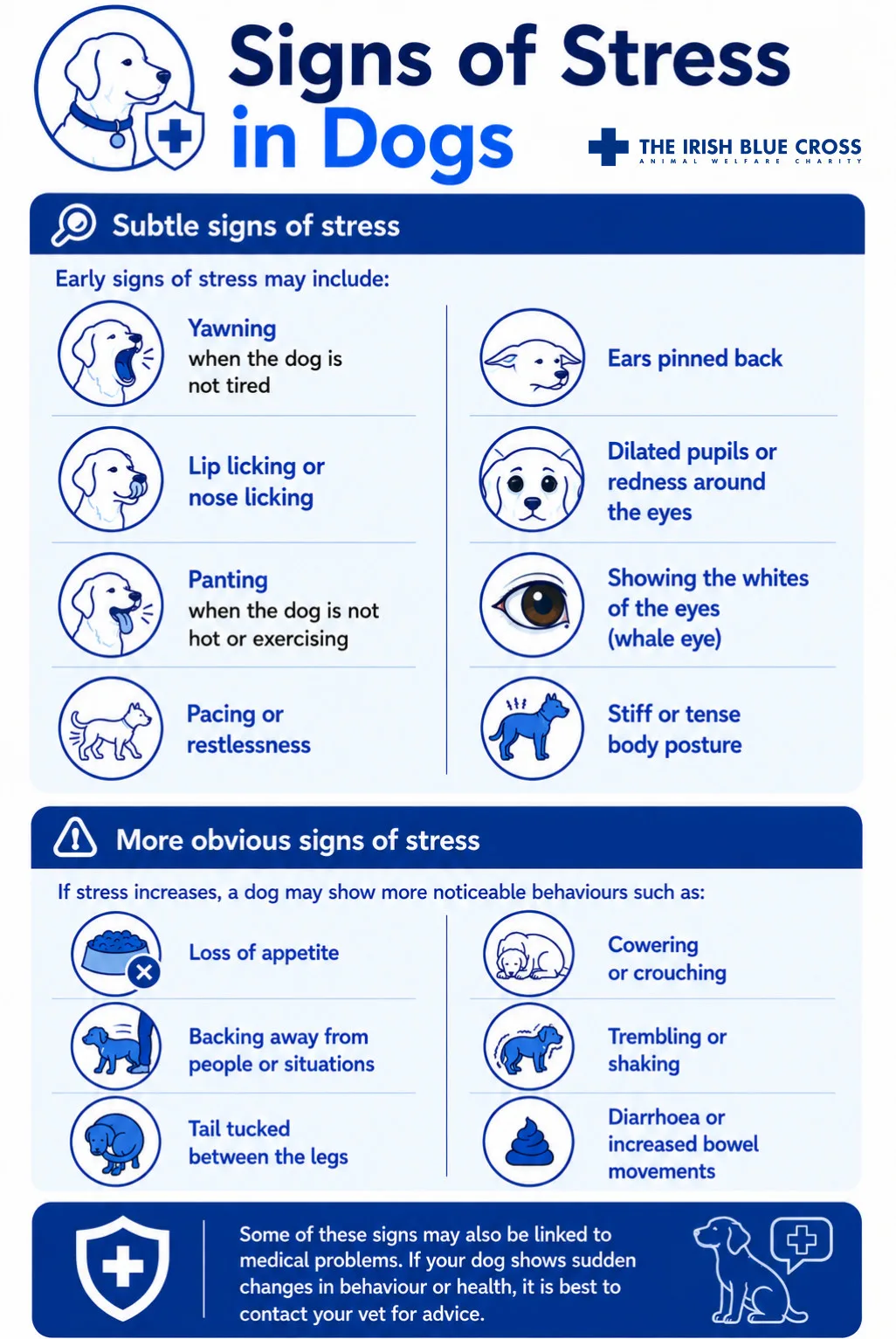
What Causes Stress in Dogs?
Stress can be triggered by many different factors. Common causes include:
Fear – loud noises such as fireworks or thunderstorms
Changes in routine – different feeding, walking or sleeping times
New environments – unfamiliar places or busy areas
Frustration or boredom – lack of exercise or mental stimulation
Social stress – uncomfortable interactions with people or other animals
Dogs can also be affected by the emotions of the people around them. If household members are stressed or anxious, dogs may pick up on these changes.
Defensive Behaviour
If a dog feels threatened or overwhelmed, they may display defensive behaviours to try to stop something from happening or to create distance.
These behaviours may include:
- Stiffening and staring
- Growling
- Showing teeth
- Snapping
- Biting
In most cases, dogs will have shown earlier signs of stress before reaching this stage. Recognising those early signals can help prevent situations from escalating.
How to Help a Stressed Dog
Once you recognise the signs of stress, there are several ways to help your dog feel calmer and more comfortable.
Remove the source of stress
If possible, move your dog away from the situation that is causing distress. This may mean leaving a busy environment or providing a quiet space at home.
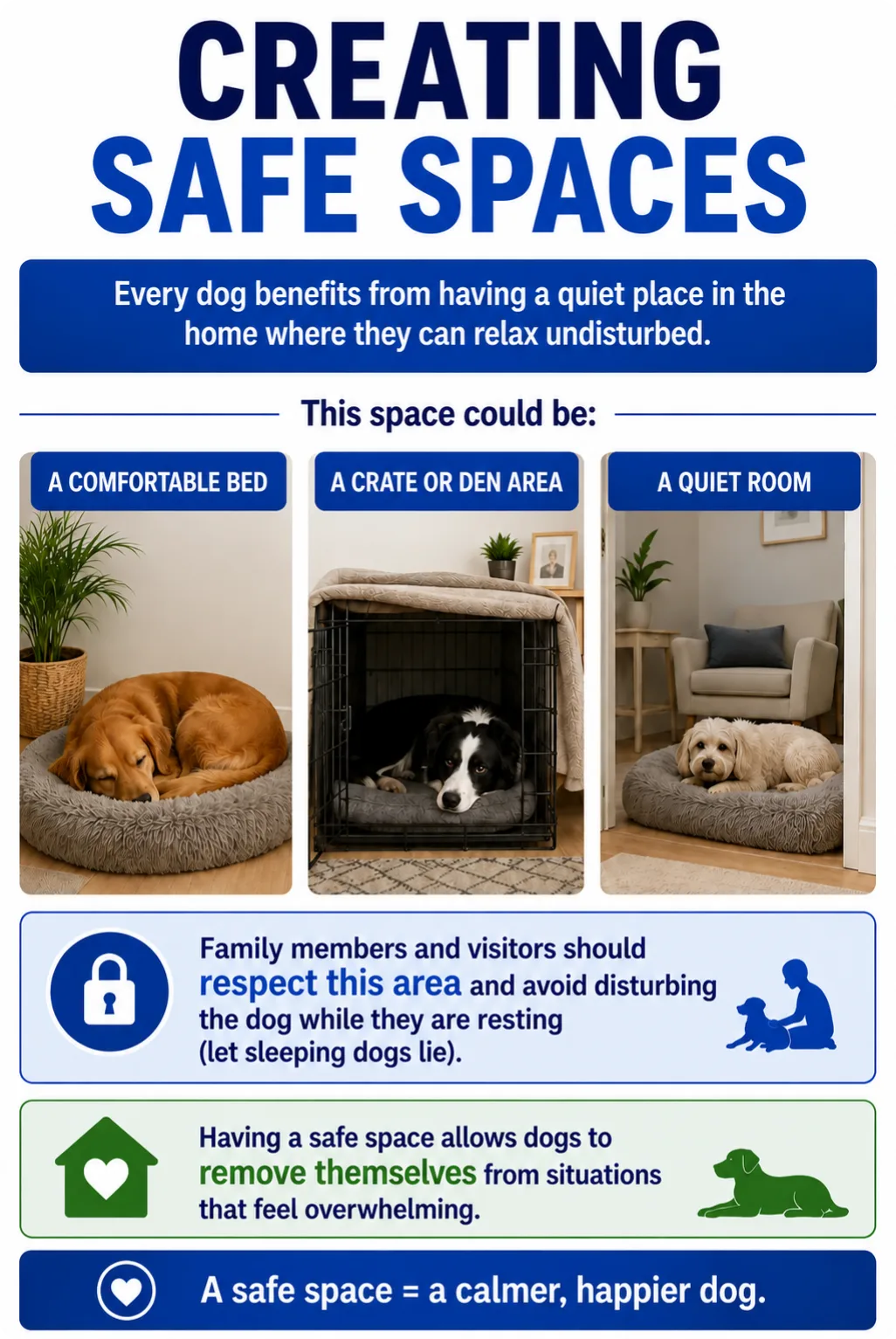
Provide a safe place to rest
Dogs benefit from having a quiet area where they can relax without being disturbed, such as a comfortable bed or crate. This space should always be respected by other household members.
Ensure adequate exercise
Regular exercise is important for both physical and mental wellbeing. Walks provide opportunities for dogs to explore, sniff and engage with their environment.
Provide mental stimulation
Interactive toys, puzzle feeders and training exercises can help keep a dog’s mind engaged and reduce boredom-related stress.
Stay calm
Dogs are very sensitive to human emotions, so remaining calm and speaking in a relaxed tone, can help reassure your dog during stressful situations.
Avoid punishment
Punishing a stressed dog can make their anxiety worse. Instead, focus on reward-based training and calm management of situations that trigger stress.
When to Seek Professional Help
If your dog frequently shows signs of stress, anxiety or aggression, it is important to seek professional advice.
Speak to your vet first to rule out any medical causes. They may recommend working with a qualified dog behaviourist or trainer to help identify triggers and develop a plan to improve your dog’s wellbeing.
Early intervention can help prevent stress from developing into more serious behavioural problems.


Bringing a puppy home is an exciting time, and getting their nutrition right from the start is essential for healthy growth and development.
Before You Bring Your Puppy Home
Ask the breeder or rescue centre what brand and type of food your puppy is currently eating. By eight weeks of age, puppies should be fully weaned from their mother and eating solid food.
A responsible breeder or rescue organisation should provide a small supply of your puppy’s current food to help with the transition home. If a puppy has not been properly weaned onto solid food by this age, this is a serious welfare concern.
You can choose to continue feeding the same food or change to a different puppy food, once your puppy has settled in.
Changing Your Puppy’s Food
If you decide to switch foods, do so very gradually over 7–10 days to avoid digestive upset.
If switching from wet to dry food, you may notice your puppy drinks more water, this is normal. Fresh, clean water should always be available.
Choosing the Right Puppy Food
There are many options available in pet shops, supermarkets and veterinary clinics. Look for a food labelled ‘complete’, as this means it contains all the nutrients your puppy needs and does not require additional supplementation.
It’s important to choose a food suitable for your puppy’s age and expected size when fully grown so: toy, small, medium, large or giant.
Puppies have different nutritional needs to adult dogs. In most cases, they should stay on puppy food until around 12 months of age, or as advised by your vet. Large and giant breeds may need puppy food for longer.
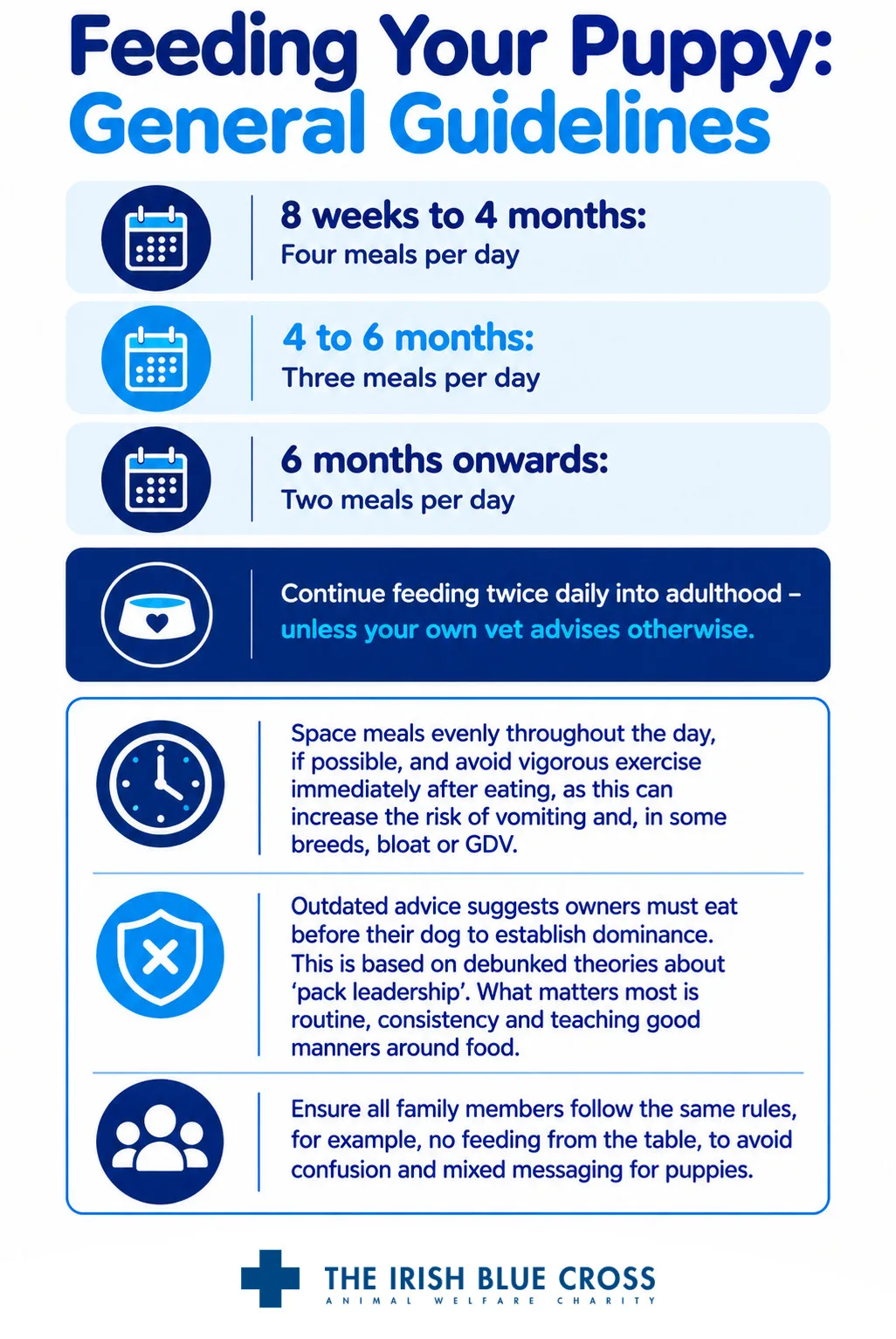
How Often Should I Feed My Puppy?
A consistent feeding routine helps puppies feel secure and helps the toilet training process.
Where Should I Feed My Puppy?
Choose a quiet, low-distraction area where your puppy can eat undisturbed. If you have other pets, feed them separately until everyone is settled and unlikely to steal from one another.
Help! My Puppy Eats Too Quickly
Some puppies eat very fast, which can increase the risk of digestive upset and, in large or giant breeds, a serious condition called bloat. Bloat is life-threatening and requires immediate veterinary attention.
To slow down a fast eater:
- Use a slow-feeder bowl but make sure it’s not frustrating for your dog
- Feed meals in a food-stuffable toy (such as a rubber feeder)
- Try puzzle feeders appropriate for your puppy’s age
Start with simple enrichment toys and progress gradually. If a puzzle is too difficult, your puppy may become frustrated.
Activity Feeding
Using food toys or activity feeders can:
- Slow down mealtimes
- Provide mental stimulation
- Redirect chewing away from furniture
- Encourage calm behaviour
- Motivate picky eaters
Choose feeders suitable for your puppy’s developmental stage. Simple designs are best for beginners.
Preventing Puppy Obesity
Excess weight is a growing problem in dogs. Overweight puppies are more likely to become overweight adults, increasing the risk of:
- Diabetes
- Breathing problems
- Arthritis
- Certain cancers
- Reduced lifespan
Managing portion sizes and providing appropriate exercise for your puppy’s age are key to prevention.
How to Check Your Puppy’s Weight
Many owners do not realise their dog is overweight, but you can assess your puppy’s body condition at home:
Look from Above
Your puppy should have a visible waist, creating a gentle ‘hourglass’ shape behind the ribs.
- Oval shape = overweight
- Extremely narrow waist = underweight
Feel Their Ribs
You should be able to feel the ribs easily under a thin layer of fat.
- Prominent ribs = underweight
- Difficult to feel ribs = overweight
Body Condition Guide
While ideal shape varies between breeds, a general guide is:
- Emaciated – Severely underweight; veterinary guidance needed
- Thin – Underweight; may need dietary adjustment
- Ideal – Healthy body shape and weight
- Overweight – Needs weight management
- Obese – Significantly overweight; at serious health risk
Breed Differences Matter for Weight
Sighthounds are naturally lean, whereas flat-faced breeds (such as bulldogs and pugs) have different body shapes but are at increased risk from obesity, due to breathing challenges.
If you are unsure about your puppy’s weight, your veterinary team can help. Many practices offer weight clinics and nutritional advice.
Summary
Establishing good feeding habits early will support your puppy’s growth, behaviour and long-term health. Provide a complete puppy diet, maintain a consistent routine, monitor body condition regularly and seek veterinary advice if you have concerns.
Healthy feeding today helps lays a solid foundation for a lifetime of wellbeing.
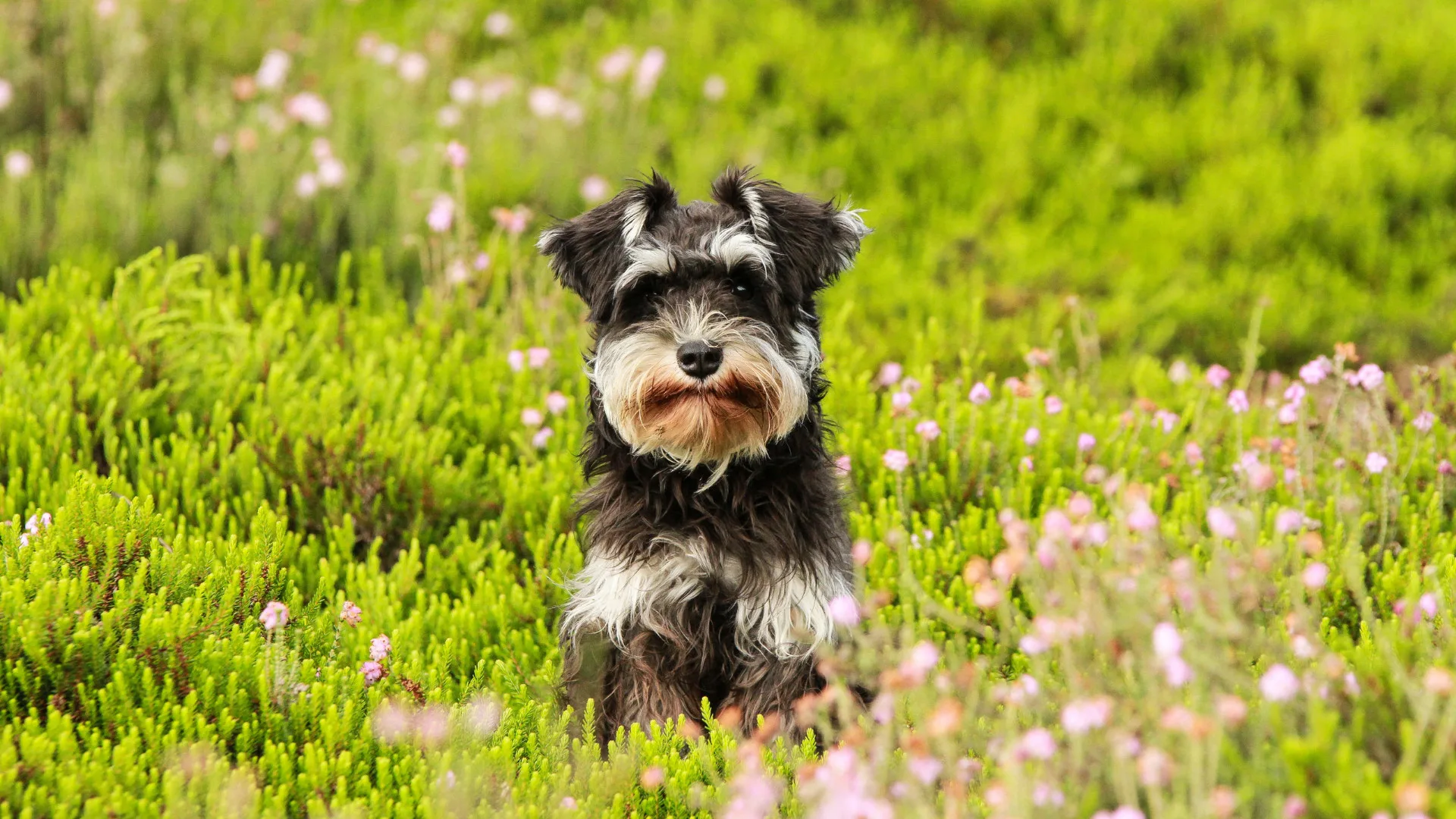
Spring brings longer days, brighter weather and gardens bursting into life. It’s a lovely time to get outdoors with our dogs, but it’s also worth being aware that some common spring plants, both in gardens and in the home, can be harmful if chewed or eaten.
Poisoning is thankfully uncommon, but a little awareness can go a long way, especially for curious dogs who love to dig, nibble or explore with their mouths.
If you ever think your dog has eaten something they shouldn’t, contact your vet straight away. It’s always better to check, even if you’re unsure.
Common Spring Plants That Are Toxic For Dogs
Many spring flowers are popular because they’re colourful and easy to grow, but some contain toxins that can upset your dog’s stomach or, in more serious cases, affect the heart or nervous system.
Daffodils
Daffodils are a familiar sign that spring has arrived, but they can cause problems for dogs. The flowers, leaves and even the water from a vase can be toxic, with the bulbs being the most dangerous part. Dogs that dig are particularly at risk.
Signs of poisoning may include vomiting, diarrhoea, extreme tiredness, wobbliness and, in severe cases, seizures.
Tulips
Tulips can irritate the mouth and stomach if eaten. Most dogs will develop drooling, vomiting or diarrhoea, but more serious symptoms such as breathing difficulties or heart problems can occur if larger amounts are consumed. As with daffodils, the bulbs contain the highest levels of toxins.
Bluebells
Often found in woodland and along country paths, bluebells contain substances that can affect the heart. Mild cases usually cause an upset stomach, but eating large quantities can be very serious. Keep a close eye on your dog during spring walks, particularly in wooded areas.
Rhododendrons & Azaleas
These striking shrubs are among the most dangerous spring plants for dogs. All parts of the plant are toxic, and even a small amount can make a dog very unwell. Puppies and smaller dogs are especially vulnerable. If you suspect your dog has eaten any part of a rhododendron or azalea, please seek veterinary help immediately.
Amaryllis
Often kept as a houseplant as well as grown outdoors, amaryllis is poisonous in all parts. Make sure it’s kept well out of reach of pets indoors and fenced off in the garden if necessary.
Other Spring Plants to Be Aware Of
There are many plants and bulbs that appear in spring which can be harmful to dogs. Some may cause mild stomach upsets, while others are more serious.
Take extra care with:
- Hyacinth bulbs
- Crocus
- Cyclamen (roots)
- Foxglove
- Yew
- Wild cherry (leaves and twigs)
Before planting anything new, it’s always worth checking that it’s pet-safe, particularly if your dog spends time unsupervised in the garden.

Other Springtime Risks to Keep in Mind
Spring isn’t just about plants.
As we spend more time outdoors, there are a few extra precautions can help keep dogs safe:
Gardening: Keep dogs away from wet paint, fertilisers and chemicals, which can be harmful if inhaled or ingested.
Countryside walks: With lambs and calves in fields, please keep dogs on a lead around livestock to prevent injury or distress.
Warmer weather: As temperatures rise, adjust walk times to cooler parts of the day and make sure your dog always has access to fresh water and shade.
Parasite control: Fleas become more active in warmer weather, so keep flea and worm treatments up to date.
Easter treats: Chocolate is highly toxic to dogs – store it securely and contact your vet immediately if any is eaten.

For many dogs, there’s nothing more exciting than spotting a stick on a walk. Chasing it, carrying it proudly, or settling down for a good chew can seem like harmless fun.
Unfortunately, sticks can pose a real risk to dogs, and injuries caused by them are more common, and often more serious, than many people realise.
The good news is that there are much safer ways to keep your dog happy, active and entertained.
Why Sticks Can Be Risky
Sticks vary hugely in size, shape and weight, which makes them unpredictable when thrown. They can bounce, splinter or land at awkward angles, increasing the chance of injury as your dog runs to grab them.
Many sticks also have sharp ends, rough edges, thorns or smaller branches attached. When combined with an excited dog running at speed, this can quickly turn playtime into an emergency.
How Sticks Can Injure Dogs
Whether your dog is fetching or chewing a stick, injuries can range from minor to life-threatening.
These may include:
- Splinters lodged in the mouth or gums
- Choking on broken pieces
- Blockages in the stomach or intestines if swallowed
- Eye injuries
- Cuts or puncture wounds to the face or body
- Infections caused by bacteria on the wood
- Severe internal injuries if a stick penetrates the throat or chest
Veterinary teams regularly treat dogs like Hulk (pictured above) with serious stick-related injuries. In some heartbreaking cases, the damage is so severe that dogs cannot be saved. What looks like a simple game can have devastating consequences.
Why Do Some Dogs Love Sticks so Much?
Sticks are appealing because they engage several of a dog’s senses at once. They smell interesting, have different textures, and can feel satisfying to chew.
However, allowing dogs to chew sticks can quickly become a lifelong habit that’s difficult to break, and one that carries ongoing risks.
Safer Alternatives for Play
If your dog enjoys chasing and carrying objects, there are plenty of safer options to choose from.
For games of fetch:
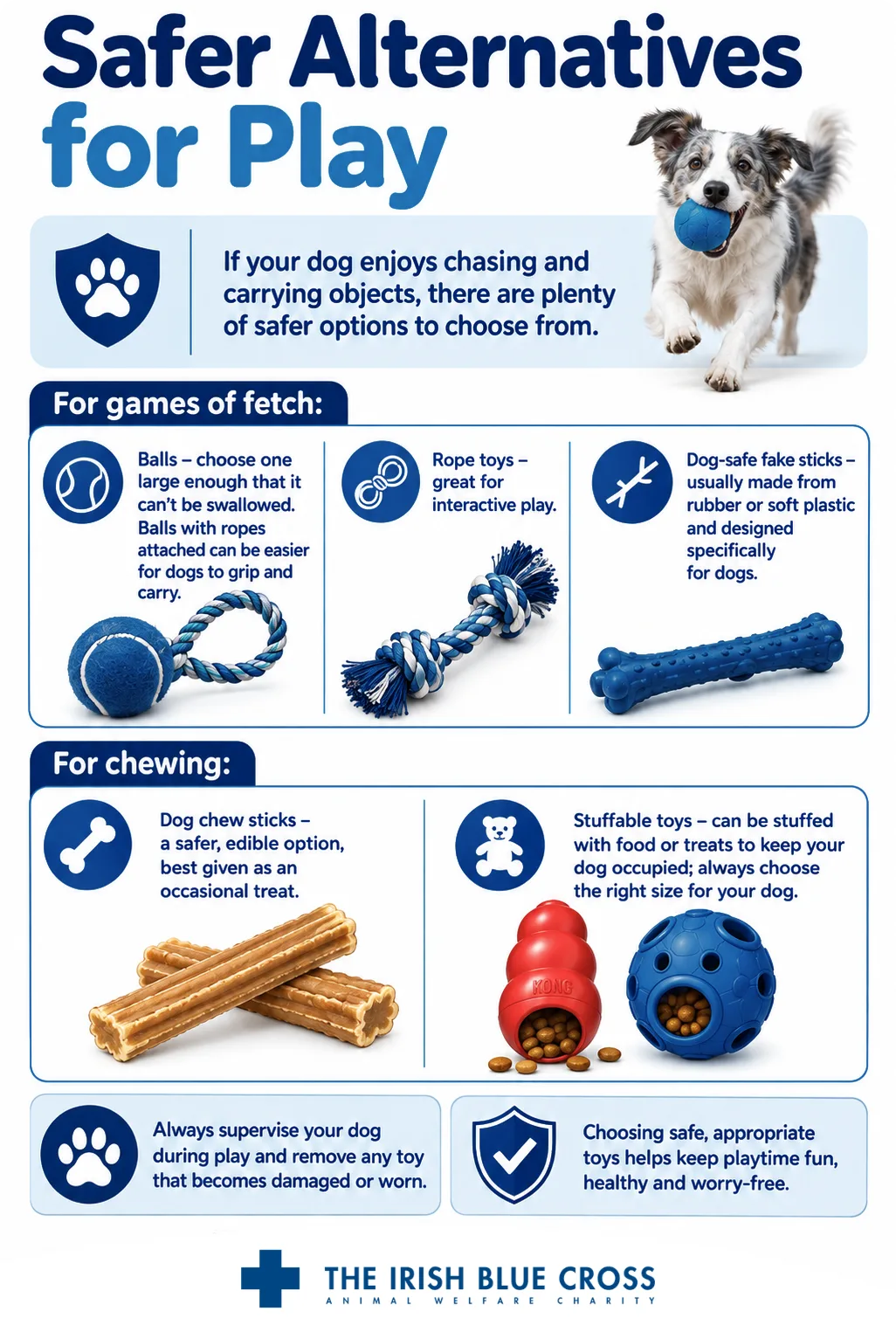
Sticks may seem natural and harmless, but the risks they carry simply aren’t worth it. By choosing safer toys instead, you can still give your dog all the fun they love while reducing the chance of painful, and potentially life-threatening injuries.
If you’re ever unsure about a toy or worried your dog may have injured themselves, it’s always best to contact your vet for advice.



While your dog may be comfortable with the people they live with, visitors can be unfamiliar and unpredictable from a dog’s perspective. This can be especially true when children are visiting the home.
Whether you are hosting a child’s playdate, welcoming grandchildren, or having friends and family over for a celebration, a little preparation can help ensure everyone stays safe and relaxed.
Dogs do not automatically understand how humans expect them to behave around babies and children. Training, preparation and careful management are therefore essential. By understanding canine behaviour and planning interactions carefully, you can help create a safe and positive experience for both children and dogs.


Preparing Your Dog and Home for Visiting Children
The first interactions between your dog and visiting children can influence how future visits go, so it helps to plan ahead.
Before visitors arrive:
- take your dog for a walk so they are more relaxed
- prepare a quiet resting area where your dog can retreat
- remove toys or food items that could cause competition or excitement
When the child arrives, allow both the dog and child time to settle before introducing them.
Active Supervision
Children and dogs should never be left alone together.
Active supervision means an adult is always paying close attention to both the child and the dog. If you need to leave the room, even briefly, it is safest to separate them.
Children can be unpredictable from a dog’s perspective. Loud voices, sudden movements, running, or emotional outbursts can be exciting or frightening for dogs.
Encourage children to interact gently with your dog, and step in early if play becomes too energetic.
Many dogs tolerate uncomfortable situations for some time before showing clear warning signals. For this reason, it is important not to rely on a dog’s patience and to manage interactions carefully.
Safe Interaction Tips
When children and dogs are together:
- Always supervise closely.
- Encourage calm and gentle stroking only.
- Avoid grabbing, pulling, or sitting on the dog.
- Allow the dog to choose whether they want to approach the child.
One simple approach is to call the dog over rather than approaching them. If the dog chooses to come over calmly, they may be comfortable interacting. If they stay where they are, it is best to leave them alone.
Other helpful tips include:
- Keep dogs away from children while they are eating or chewing.
- Be mindful when children are playing with toys, as dogs may become excited or confused about which toys belong to them.
- If your dog becomes worried or overstimulated, calmly remove them from the situation.
- If a child becomes frightened of the dog, separate them immediately to prevent negative experiences.
Dogs and children do not need to interact constantly. Sometimes allowing the dog to observe quietly from a comfortable distance is the best approach.
Separation
Providing your dog with regular breaks away from children is an important part of managing interactions safely. Separation should always be seen as a positive measure rather than a punishment.
Tools that can help include:
- baby gates
- dog crates (when introduced positively)
- separate rooms or quiet areas
Dogs benefit from having a safe space where they can rest undisturbed.
Puppies and young dogs especially need a lot of sleep. Being repeatedly woken or startled may make them irritable and less tolerant.
Providing enrichment, such as a food-stuffed toy or chew, can help your dog relax during quiet time.
Understanding Dog Body Language
Many people believe dog bites occur without warning, but dogs usually show signs of discomfort before reacting.
Common signs that a dog may be feeling worried include:
- moving away or hiding
- lowering their body or tucking their tail
- looking away or avoiding eye contact
- lip licking or repeated yawning when not tired
- lifting a paw
- growling or showing teeth
If you see these signs, it is important to calmly remove the dog from the situation and allow them space to relax.
Recognising these signals early can help prevent situations escalating.
Are Some Breeds Safer with Children?
No breed of dog is guaranteed to be completely safe around children.
Dogs vary widely in temperament, personality and past experiences. While breed tendencies may influence behaviour, they do not determine how an individual dog will act.
All dogs have the ability to bite if they feel frightened, stressed or threatened.
Larger dogs may cause more serious injury due to their size, but bites from small dogs can also cause significant harm.
The most important factor in preventing incidents is careful supervision and responsible management of interactions.
Health and Hygiene
Good hygiene practices help protect both children and dogs.
- Always pick up dog waste promptly.
- Ensure dogs receive regular worming treatments as recommended by your veterinary practice.
- Encourage children to wash their hands after touching a dog and before eating.
Young children are more likely to put their hands in their mouths, which increases the risk of infections such as toxocariasis, a disease caused by roundworm eggs found in contaminated soil or faeces.
If someone is bitten by a dog, medical advice should be sought promptly.
Dogs and the Law in Ireland
Dog owners in Ireland are legally responsible for keeping their dogs under control. Under Irish law, it is an offence to allow a dog to be out of control, whether in a public place or on private property. This includes incidents that occur in the home or garden. If a dog injures someone, the owner may face legal consequences.
These responsibilities apply to all dogs, regardless of their breed. Beyond legal consequences, dog bite incidents can have serious emotional and physical impacts on everyone involved. Responsible management of dogs around children is therefore essential.
Helping Dogs and Children Build Positive Relationships
When interactions are calm and well managed, dogs and children can develop wonderful relationships.
Children often copy adult behaviour, so modelling calm, gentle interactions with your dog will help them learn how to behave safely.
With patience, supervision and clear boundaries, visits involving children and dogs can become enjoyable and rewarding experiences for everyone involved.

We all love having our dogs close, but if you smoke, it’s important to remember that second-hand smoke can be harmful to them.
Dogs often sit on sofas, carpets, or even curl up at our feet, the places where toxic smoke particles settle. This means they breathe in more smoke than we might realise, and over time, it can affect their health.
How Smoke Affects Dogs
Exposure to tobacco smoke can increase the risk of serious health problems in dogs, including nasal (nose) and lung cancers.
Dogs are particularly at risk because they spend so much time in the home, close to carpets, furniture, and their owners, where smoke particles accumulate.
Signs Your Dog Might Be Affected
Keep an eye out for changes in your dog’s health or behaviour that could indicate smoke-related problems:
- Persistent coughing or wheezing
- Difficulty breathing
- Unusual or severe nasal discharge
- Fatigue or low energy
If you notice any of these signs, contact your vet promptly.

What About Vaping?
E-cigarettes and vapes may seem safer, but most contain nicotine, which is highly toxic to dogs. Even a small amount of e-liquid can cause serious poisoning, and curious dogs may chew on cartridges or devices.
To keep your dog safe:
- Vape outside, away from your dog
- Never leave e-cigarettes or cartridges within reach
- Dispose of empty cartridges carefully
- Ventilate any room thoroughly before letting your dog back in
If you suspect your dog has ingested any e-liquid or part of a vape, contact your vet immediately – this is an emergency.

Canine cough, also known as kennel cough, is a common respiratory infection in dogs that causes a distinctive, harsh cough. While it can sound alarming, most dogs recover well with rest and basic care. However, some dogs are more vulnerable to complications, so it’s important to know when to seek veterinary advice and how to reduce the risk of spread.
Vaccination is the most effective way to reduce the risk of kennel cough, particularly for dogs that mix regularly with others.

Other Possible Signs
Most dogs with kennel cough remain bright, alert and interested in food. In mild cases, coughing may be the only sign.
Some dogs may also develop a runny nose, sneezing or mild eye discharge.
More vulnerable dogs, such as puppies, older dogs, or those with existing health problems, may show more concerning signs, including:
- Reduced appetite
- Lethargy
- Fever
Is Kennel Cough Serious?
In healthy adult dogs, kennel cough is usually mild and self-limiting, meaning it clears on its own within a few weeks. However, in higher-risk dogs, the infection can occasionally progress to more serious conditions such as pneumonia.
If your dog seems unwell, stops eating, or their cough worsens rather than improves, please contact your vet.
How Do Dogs Catch Kennel Cough?
Kennel cough is highly contagious and spreads easily via:
- Through the air when infected dogs cough or bark
- By direct contact with other dogs
- Via contaminated objects such as bowls, leads, toys or bedding
The incubation period (time between exposure and symptoms) is usually two to fourteen days, with some dogs being asymptomatic (showing no signs).
Diagnosing Kennel Cough
While there is no single test for kennel cough. Vets usually diagnose it based on your dog’s symptoms and recent contact with other dogs.
In more severe or complicated cases, further tests such as swabs or X-rays may be recommended.
If your dog is coughing and needs to visit a veterinary clinic, it’s important to let the practice know in advance, so steps can be taken to reduce the risk of spreading infection to other dogs.
Preventing the Spread of Kennel Cough
Dogs with kennel cough should be kept away from other dogs and public spaces while they are coughing and for two to three weeks after symptoms resolve, as they can remain contagious.
Vaccination against kennel cough
Vaccination is the most effective way to reduce the risk of kennel cough, particularly for dogs that mix regularly with others.
The kennel cough vaccine usually lasts around 12 months. While it does not guarantee full protection, it can significantly reduce the severity and duration of illness.
It’s important to note that many training class providers, boarding kennels and day care facilities usually require proof of vaccination against kennel cough.
The vaccine can be given as part of your dog’s routine healthcare plan, please speak to your vet about whether it’s appropriate for your dog’s lifestyle.
When to Contact Your Vet
Contact your vet for advice if:
- Your dog has been coughing for several days
- The cough is severe or worsening
- Your dog seems unwell, lethargic or stops eating
- Your dog is very young, elderly, or has an underlying health condition
Early advice can help prevent complications and ensure your dog recovers as smoothly as possible.
Kennel cough is usually more unpleasant than dangerous, but understanding how it spreads and how to manage it helps protect both your dog and others in the community.
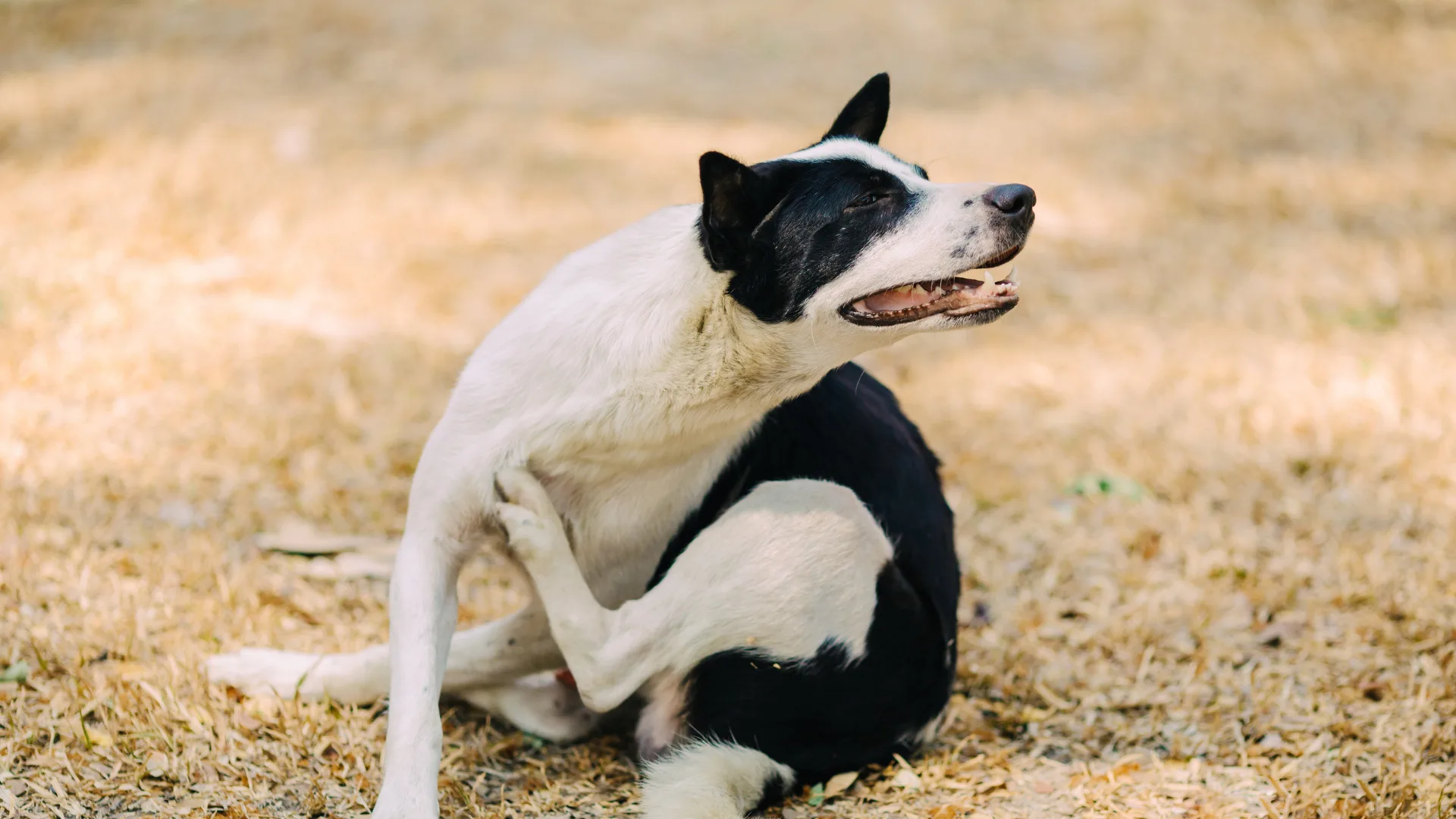
Skin allergies occur when a dog’s immune system overreacts to substances in their environment or diet. Common triggers include pollen, grass, house dust mites, fleas and certain foods. Allergic skin disease, also known as atopic dermatitis, is one of the most frequent causes of persistent itching in dogs.
If your dog is scratching, licking or developing repeated skin or ear problems, book a veterinary appointment as early treatment can greatly improve their comfort and quality of life.

Signs of Skin Allergies
Symptoms can vary between dogs but commonly include:
- Persistent itching, either localised or all over
- Red, inflamed or sore skin
- Thinning hair or bald patches
- Recurrent ear infections
- Excessive licking or chewing, often leading to saliva staining
- Thickened or darkened skin over time
- Weepy eyes
- Hot spots, also known as acute moist dermatitis
Some dogs with food allergies may also develop digestive signs such as vomiting, diarrhoea, weight loss or reduced appetite.
Severe Allergic Reactions
In rare cases, dogs can experience a serious allergic reaction known as anaphylaxis.
Warning signs include: severe vomiting or diarrhoea, facial swelling, breathing difficulties and collapse.
Anaphylaxis is an emergency, so you need to contact your vet immediately if you suspect this type of reaction.
Diagnosis and Allergy Testing
Identifying the exact cause of an allergy can be challenging. Your vet will usually begin by ruling out common and controllable causes.
Flea Allergy
Flea allergy can cause intense itching, particularly around the tail base, lower back and thighs. Even a single flea bite can trigger a major reaction in sensitive dogs, so strict year-round flea prevention for all pets in the household is essential.
Food Allergy
If a food allergy is suspected, your vet may recommend a strict elimination diet for 8 to 12 weeks. During this period, your dog must only eat the prescribed diet, with no treats, or extras. Improvement during the trial can confirm a dietary trigger.
Environmental Allergies
Blood or skin testing may help identify environmental allergens such as pollens or dust mites. However, these tests are not always completely reliable and are often used to guide treatment rather than make a definitive diagnosis.
Treatment Options
There is no single solution that works for every dog, so treatment plans are tailored to the individual and often involve a combination of approaches. Skin allergies cannot be cured, we can only treat the symptoms.
Avoiding Triggers
Where possible:
- Maintain strict flea control for all pets
- Vacuum and dust regularly
- Avoid high pollen times or rinse your dog after grassy walks
- Limit exposure to sprays, aerosols and strong scents
- Feed a vet recommended diet for sensitive skin if advised
Anti Itch Medication
Veterinary prescribed medications can significantly reduce itching and inflammation. Options may include steroid treatments, targeted injections or tablets designed to control allergic responses. Your vet will recommend the most suitable option, based on your dog’s needs and medical history.
Shampoos, Supplements and Antihistamines
Skin supportive treatments such as medicated shampoos, omega fatty acid supplements and antihistamines can help manage symptoms. These are usually most effective when combined with other treatments.
Immunotherapy
In some cases, allergy desensitisation therapy may be an option. This involves giving small, controlled amounts of the allergen over time to reduce sensitivity. Treatment often continues for months or years and is not effective for every dog.
Managing Infections
Allergic skin is prone to secondary bacterial or yeast infections. Antibiotics or antifungal treatments may be required, along with regular ear cleaning for dogs that suffer repeated ear problems.
Important Advice
If your dog is itching, simply preventing them from scratching, for example by using a protective collar, will not solve the problem. The underlying cause must be addressed to relieve discomfort properly.
Outlook
With the right management plan, most dogs with allergies can live happy, comfortable lives. Flare ups may still occur, but these can usually be controlled with prompt veterinary care.
When to Contact Your Vet
Seek veterinary advice if:
- Your dog is persistently itchy
- Skin is red, sore or infected
- Ear infections keep returning
- Digestive signs accompany skin symptoms
- Existing treatment no longer seems effective
Skin disease can worsen if left untreated and may have a significant impact on wellbeing.
Cost Considerations
Allergic skin disease is often a lifelong condition, and treatment costs can accumulate over time.
If you’re able to, consider pet insurance while your dog is young and healthy to help with unexpected illness or injury. If your dog becomes unwell, talk openly with your vet about the options, the likely costs, and what feels manageable for you. Together, you can tailor a plan that’s right for your dog and your situation.
If you are concerned about your dog’s skin, contact your local veterinary practice for advice and assessment.

Jumping up is a very common behaviour in dogs and many dogs jump up when they are excited, particularly when greeting people. In other cases, jumping can happen when a dog feels uncertain or overstimulated and is trying to get attention or reassurance.
Dogs quickly learn which behaviours get a response from people. If a dog receives attention when they jump up, even if that attention is telling them off, they may repeat the behaviour because it works.
Jumping is often encouraged unintentionally when dogs are young. When puppies are small, people may greet them enthusiastically while they jump up but as the dog grows larger, the same behaviour can become inconvenient or unsafe, especially around children or older adults.
The good news is that jumping can be changed with consistent training.
Do Not Reward Jumping
If your dog jumps up, the most important thing is not to react.
Avoid talking to them, pushing them away, or making eye contact. Any attention can reinforce the behaviour. Instead, stay calm and wait until your dog returns all four paws to the ground.
As soon as they are standing calmly, reward them with quiet praise or a treat. This helps them learn that calm behaviour gets attention, not jumping.
Reward Calm Greetings
Your dog needs to learn that keeping their paws on the ground is the best way to get your attention.
Think about situations where your dog usually jumps up, such as:
- when you arrive home
- when visitors enter the house
- when meeting people on walks
Being prepared can help prevent the behaviour before it starts. For example, when arriving home you could crouch down to greet your dog calmly or offer a toy or treat immediately to keep their attention focused on the ground.
Rewarding calm behaviour in these moments will help your dog learn what you want them to do instead.
Avoid Telling Your Dog Off
Telling a dog off for jumping can sometimes make the behaviour worse.
For some dogs, being spoken to or touched, even negatively, can still be rewarding because they are receiving attention. For others, being scolded may create confusion or anxiety, which can increase excitable behaviour.
Remaining calm and simply removing attention is usually far more effective.
Be Consistent
When training a dog not to jump up, consistency is essential.
If jumping occasionally gets attention, your dog may continue trying the behaviour because it sometimes works.
Make sure everyone in the household follows the same approach. It can also help to explain the rules to visitors before they greet your dog, so they do not accidentally reinforce jumping.

Using Treat Scattering for Excitable Dogs
Some dogs find sitting calmly very difficult when they are excited.
For these dogs, scattering a few treats on the ground can help. Sniffing for food encourages the dog to keep their nose down and paws on the floor, making jumping much less likely.
You can practise this by asking a friend to approach while you scatter a small handful of treats for your dog to find. This redirects their energy into a calm activity while people greet each other.
Preparing for Walks and Visitors
If your dog tends to jump up when meeting people outside the home, bring treats with you on walks. This allows you to reward calm behaviour whenever someone approaches.
You can also practise polite greetings before visitors arrive by having treats ready and guiding your dog into calm behaviour when the door opens.
With patience, consistency and positive training, most dogs quickly learn that calm greetings are far more rewarding than jumping up.

Dogs are social animals and most prefer to be close to the people they are bonded with. For some dogs, being left alone, or separated from a particular person, can be distressing. This is often referred to as separation anxiety, though vets now commonly use the broader term separation-related behaviours. This recognises that dogs may experience a range of emotions when left, including fear, panic, frustration, boredom or over-excitement, rather than anxiety alone.
Separation-related behaviours are very common and can have a significant impact on both a dog’s wellbeing and their family’s quality of life. The good news is that, with the right support, many dogs can learn to cope better with being alone. Improvement usually involves behavioural guidance, practical changes at home and, in some cases, medication prescribed by a vet.
What Are Separation-Related Behaviours?
A separation-related issue occurs when a dog struggles to cope with being on their own or away from a specific person. The distress usually begins shortly after their caregiver leaves and often eases when they return. As many dogs appear settled again once reunited, these problems can sometimes go unnoticed, unless someone hears or sees what happens while the dog is alone.
Common Signs to Watch For
Dogs show separation-related distress in different ways. Some signs are obvious, while others can be subtle. You may notice one or more of the following when your dog is left alone:
- barking, whining or howling
- pacing, panting or trembling
- drooling excessively
- toileting indoors despite being house-trained
- vomiting or diarrhoea
- destructive behaviour such as chewing doors, furniture or carpets
- repetitive licking, nibbling or biting at their body
- low mood or lack of energy
If you’re unsure what your dog does when alone, a pet camera or feedback from neighbours can be very helpful. Video footage is particularly valuable for vets and behaviour professionals when assessing the problem.

When to Contact Your Vet
If you think your dog may have separation-related issues, or if there is a sudden change in their behaviour, it’s important to speak to your vet. Your vet can rule out medical causes, offer advice and, where appropriate, refer you to a qualified behaviour professional.
Helping a Dog with Separation-Related Problems
Why Treats Alone Are Rarely Enough
It’s a common belief that leaving toys or chews will solve the problem. While this may help dogs who are simply bored, dogs that are truly distressed often won’t eat or play once their person has gone.
A Tailored, Step-by-Step Approach
Most dogs benefit from working with a qualified behaviourist, ideally one registered with a recognised professional body.
Support usually involves:
- Careful assessment – understanding exactly how and when your dog struggles, often using video recordings
- Behavioural therapy – gradually teaching your dog that being alone is safe through carefully planned, positive training
- Changes at home – creating a comfortable, secure space and providing appropriate activities
- Predictable routines – helping your dog know what to expect before, during and after you leave
- Medication – in some cases, vets may prescribe medication alongside training to reduce distress
Progress takes time and commitment, but many dogs do improve with the right help.
Why Punishment Makes Things Worse
Dogs don’t misbehave out of spite. If you come home to damage or mess, it’s the result of distress, not bad behaviour. Telling a dog off after the event won’t help, they won’t connect the punishment with what happened earlier, and it may make them more anxious about both being left and your return. This can worsen the problem rather than solve it.
Preventing Separation Problems
Teaching Independence Early
Helping puppies and newly adopted dogs learn that short periods alone are normal can reduce the risk of problems developing later. Start gently and build up slowly.
Helpful early steps include:
- briefly moving away while your dog remains calm
- leaving them in another room for a few seconds, then gradually longer
- keeping departures and returns low-key and predictable
- providing a safe, comfortable resting area
- encouraging calm, independent behaviour during the day
Dogs should not be left alone for long periods. As a general guide, most adult dogs shouldn’t be left for more than four hours at a time, though this varies on the individual dog.
Helping Your Dog Learn to Be Alone
When teaching your dog to cope with time alone, gradual progress is key. Using baby gates rather than closed doors can help create gentle distance while your dog still feels connected. Providing a comfortable bed, access to water, a quiet environment and familiar scents can all help your dog feel more secure.
If your dog becomes worried at any stage, take a step back and return to the point where they were relaxed. Some dogs progress quickly, while others need much more time, both are normal.
Getting the Right Support
If your dog already finds being alone very difficult, professional guidance is strongly recommended. Every dog is different, and a personalised plan is far more effective than a one-size-fits-all approach. Your vet can help you access appropriate behavioural support.

Seeing your dog have a seizure can be frightening, especially if it happens for the first time. While seizures are not uncommon in dogs, they should always be taken seriously and checked by a vet. The reassuring news is that many dogs will only ever experience a single seizure, and even those with ongoing conditions like epilepsy can often live long, happy lives with the right care.
What is a seizure?
A seizure happens when there is sudden, abnormal electrical activity in the brain. This can lead to involuntary movements, changes in behaviour, or a loss of awareness. Some seizures affect the whole body, while others are milder and only involve one area.
If a dog has repeated seizures, this may be diagnosed as epilepsy. In many cases, especially in younger dogs, there is no obvious cause. This type is known as idiopathic epilepsy and is often linked to genetics. Epilepsy usually begins between one and five years of age.
What Does a Seizure Look Like?
Most dogs experience what’s called a generalised seizure, which can be very dramatic to watch.
During a seizure, your dog may:
- Collapse and lose consciousness
- Paddle or jerk their legs
- Become stiff or rigid
- Foam or drool at the mouth
- Lose control of their bladder or bowels
Some dogs have milder seizures that only cause twitching in the face or a limb. Very rarely, dogs may have brief ‘absence’ episodes where they seem vacant, stare into space, and stop responding.
Seizures usually last between one and three minutes. Although it’s upsetting, if you can safely record the episode on your phone, it can be extremely helpful for your vet when making a diagnosis.
What Happens After a Seizure?
Dogs often behave differently once a seizure has passed. Some recover quickly and seem back to normal within minutes. Others may appear confused, restless, clingy or disorientated for several hours. This recovery phase is called the post-ictal period and usually settles on its own.
What Should I Do if My Dog Has a Seizure?
The most important thing is to stay calm. Your dog is unconscious during a seizure and is not in pain.
Make sure they are safe by gently clearing the area around them and blocking access to hazards such as stairs. Try not to move them unless absolutely necessary. Never put your hand near or inside their mouth, dogs cannot swallow their tongues, and you could be bitten unintentionally.
Once the seizure stops, contact your vet for advice. If the seizure lasts longer than two minutes, or your dog has more than one seizure close together, you should call your vet immediately.

How Will My Vet Investigate?
If your dog has had a single, short seizure and seems otherwise well, your vet may recommend monitoring them at home. Many dogs will never have another episode.
If seizures recur, last longer than five minutes, or your dog is very young or older, further tests may be needed. These can include blood and urine tests, and sometimes referral for specialist imaging such as a brain scan. Videos and a clear history are incredibly useful in guiding these decisions.
How Are Seizures Treated?
Not every dog who has a seizure will need medication. Treatment is usually recommended if seizures are frequent, severe, or affecting your dog’s quality of life.
Treatment options may include addressing an underlying cause, starting anti-epileptic medication, adjusting diet, or avoiding known triggers. Anti-epileptic drugs aim to reduce how often seizures happen and how severe they are. Some dogs stop having seizures altogether, while others may still have occasional episodes.
Once started, epilepsy medication is usually lifelong and needs to be given consistently. Regular check-ups and blood tests help ensure the treatment remains safe and effective.
Living With an Epileptic Dog
Epilepsy can feel daunting at first, but many dogs do very well once their medication is stabilised. Most continue to enjoy walks, playtime and family life just like any other dog.
Keeping a simple seizure diary can be very helpful. Note when seizures happen, how long they last, and what your dog was like afterwards. Over time, you may also notice subtle warning signs that a seizure is coming.
Some medications can cause side effects such as increased appetite or weight gain, so maintaining a healthy diet and body condition is important.
When is a Seizure an Emergency?
A seizure that lasts longer than five minutes is known as status epilepticus and is a medical emergency. Prolonged seizures can cause serious damage to the brain and other organs.
If your dog has been seizing for more than two minutes, call your vet straight away. Emergency treatment may be needed to stop the seizure and stabilise your dog.

Despite the name, ringworm isn’t a worm at all. It’s a fungal skin infection, like athlete’s foot in people.
Ringworm can spread between animals and people, so early diagnosis and treatment are important to protect both your dog and your household.
What Causes Ringworm?
Ringworm is caused by a fungus that produces tiny spores. These spores are very hardy and can survive in the environment for a long time. Infection usually happens through direct contact with an infected animal or contaminated objects such as bedding, grooming brushes or carpets.
Healthy, intact skin is quite good at protecting against infection, so dogs are more likely to develop ringworm if their skin is damaged or if their immune system is weakened. Puppies, older dogs and long-haired breeds tend to be more at risk.
What Does Ringworm Look Like in Dogs?
Ringworm doesn’t always appear as a neat ring, and it can look different from one dog to the next.
Common signs include:
- Patches of hair loss (alopecia)
- Red, crusty or scaly skin
- Broken or thinning hair
- Mild itchiness or dandruff
These patches are often seen on the head, ears, legs and paws, but they can develop anywhere on the body.
When To Contact Your Vet
If you notice hair loss, scaly skin or sores that aren’t healing, it’s best to contact your vet for advice. While ringworm is relatively rare, it needs treatment to clear the infection and reduce the risk of spread to other pets or people.
How is Ringworm Diagnosed?
Your vet may use a special ultraviolet lamp to examine your dog’s skin and coat, as some types of ringworm glow under this light. They may also take hair or skin samples to examine under a microscope or send away for laboratory testing. Lab tests are the most reliable, but they can take around 10 days for results.

Can People Get Ringworm From Dogs?
Yes, ringworm can spread from dogs to people through direct contact. Infection in people is usually mild and appears as a red, circular patch on the skin, but it can be more serious in young children, older adults or anyone with a weakened immune system.
You’re more likely to catch ringworm if you have broken skin, such as a scratch or eczema. If you think you may have ringworm, contact your GP or pharmacist for advice.
To reduce the risk:
- Wear gloves when treating your dog
- Wash your hands thoroughly after handling them
- Avoid close contact between infected dogs and young children

Outlook
With prompt treatment and good hygiene, most dogs make a full recovery from ringworm. It can be persistent, so keep an eye out for returning signs and attend any follow-up checks your vet recommends.
Costs
Treating ringworm can sometimes be costly due to the length of treatment and the need for repeat checks.
If you’re able to, consider pet insurance while your dog is young and healthy to help with unexpected illness or injury. If your dog becomes unwell, talk openly with your vet about the options, the likely costs, and what feels manageable for you. Together, you can tailor a plan that’s right for your dog and your situation.


Reverse sneezing happens when a dog rapidly draws air in through their nose, producing a loud snorting or honking sound. It can look dramatic and worrying, but in most cases it is harmless.
Episodes are usually short lived and do not require treatment. However, if reverse sneezing begins suddenly, happens very frequently, or seems to affect your dog’s wellbeing, please speak to your vet.
What Does Reverse Sneezing Look Like?
During an episode, your dog will:
- Stand still with their neck extended
- Rapidly pull air in through their nose
- Make a loud snorting or honking noise
It can appear as though they are choking or struggling to breathe, but most dogs remain bright and aware. Episodes typically last between 30 to 60 seconds and stop on their own.
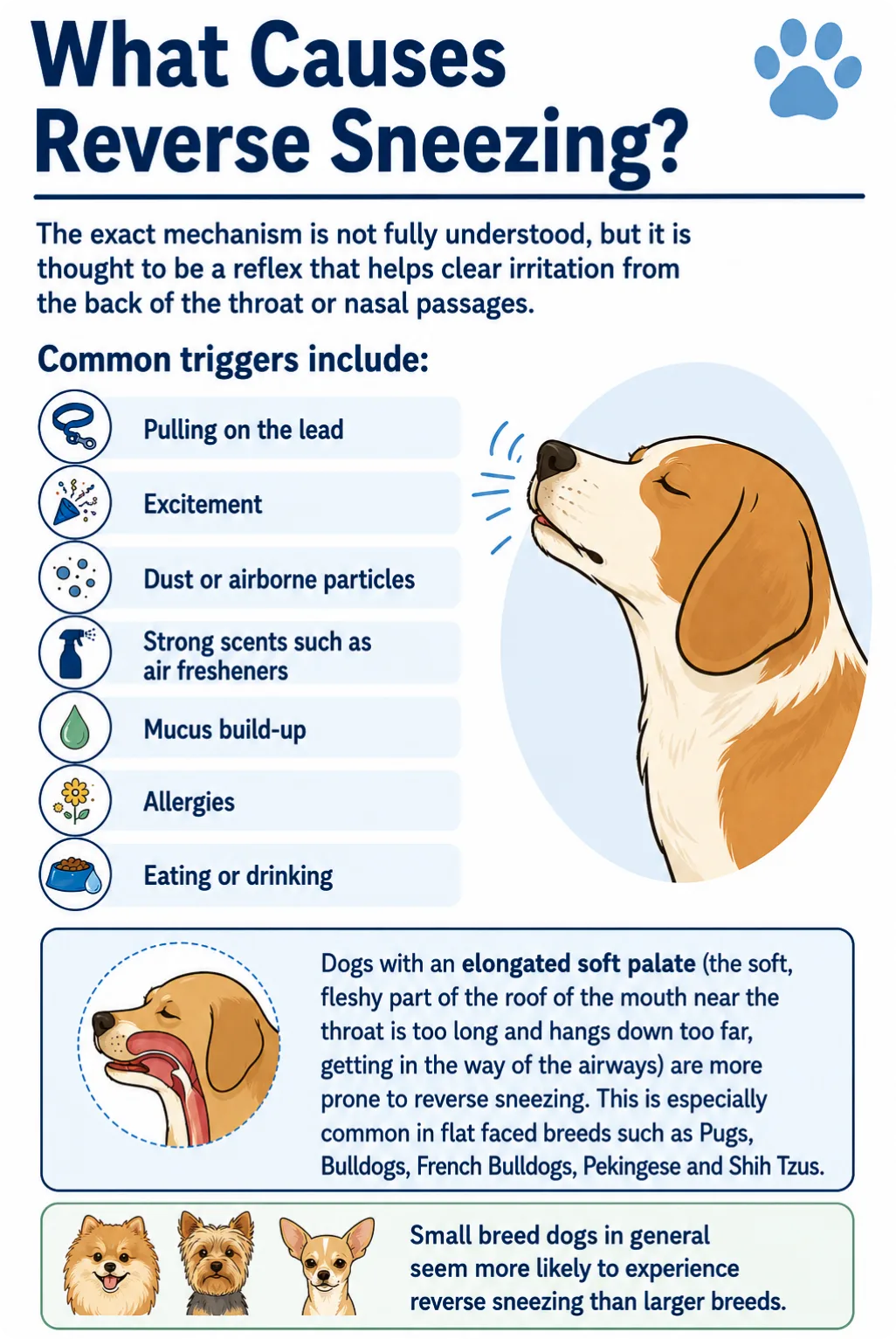
How to Help During an Episode
Most episodes resolve without intervention, so:
- Stay calm and reassure your dog (if they seek it)
- Speak softly and gently stroke them
- Lightly massage the throat area (if it they are comfortable with you doing this)
Some owners find that briefly covering one nostril encourages the dog to swallow, which may help stop the episode. If you attempt this, do so gently and without causing distress.
When is Treatment Needed?
If reverse sneezing happens only occasionally and your dog is otherwise well, no treatment is usually required.
You should contact your vet if:
- Episodes start suddenly and are frequent
- They are becoming more severe
- Your dog seems distressed
- There are other signs such as nasal discharge, coughing, lethargy or reduced appetite
Your vet may examine your dog’s nose and throat. In persistent or severe cases, further investigation under anaesthetic may be advised. This can include imaging or a procedure called rhinoscopy, where a small camera is used to examine the nasal passages.
Because reverse sneezing rarely occurs during a consultation, so recording a short video at home can be very helpful for your vet.
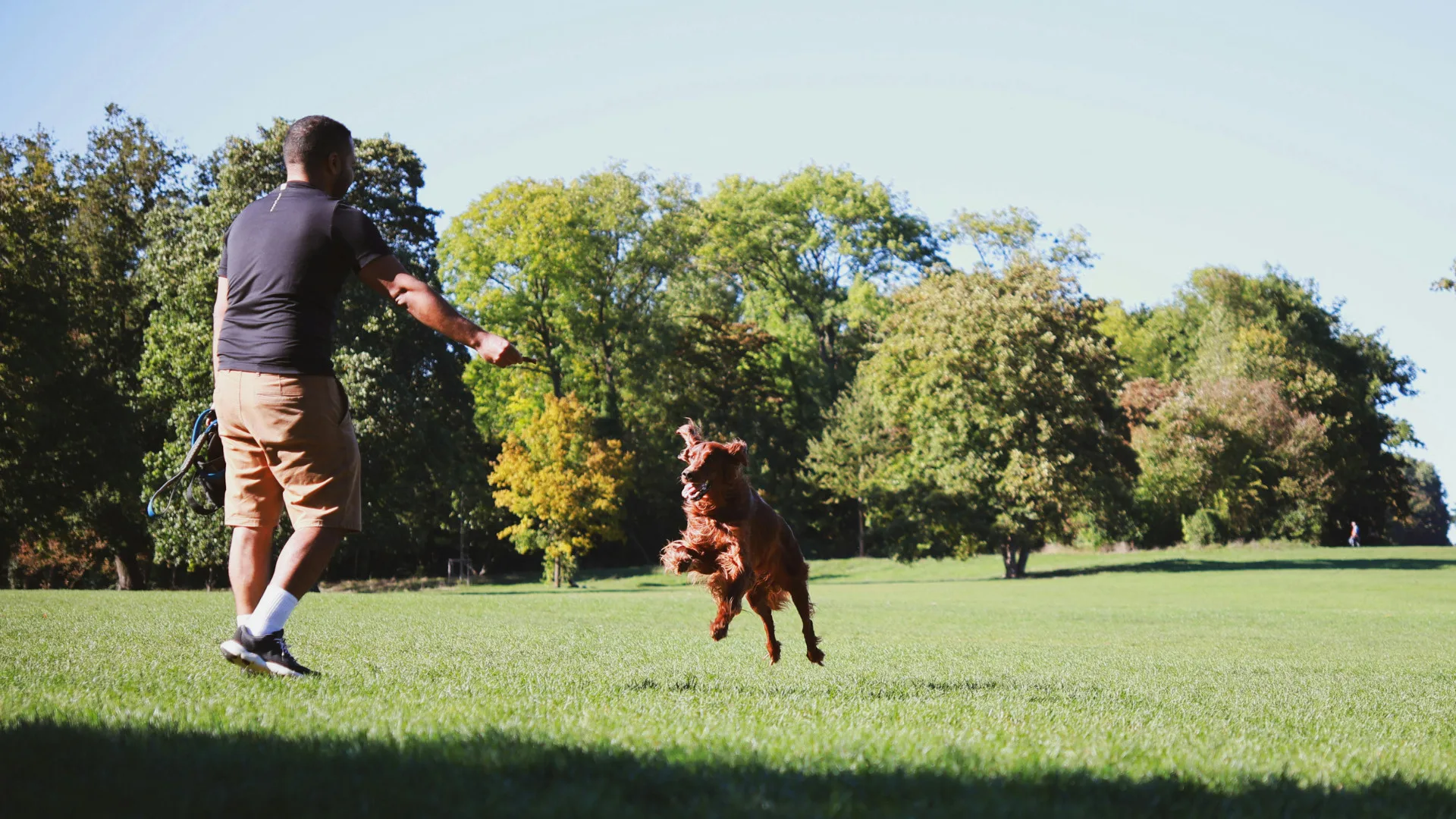

Problems around a dog’s bottom are more common than many people realise, and while they can look worrying, most are not urgent. That said, some conditions do need quick veterinary attention, so it’s always best to get advice if you notice something unusual.
Bottom problems can cause discomfort, pain, or irritation, and dogs often show this through changes in behaviour rather than obvious signs. If you’re unsure what’s going on, your vet can help identify the cause and get your dog feeling more comfortable again.

Potential Causes
There are many possible reasons a dog might develop a bottom problem. Some of the most common include:
Worms
Intestinal worms can make a dog’s bottom itchy and uncomfortable, sometimes leading to scooting. In heavier infestations, worms may cause blood in the poo. It’s unusual to see worms in poo unless they’ve already been killed by a worming treatment.
Anal gland problems
Dogs have two small anal glands just inside the anus. If these don’t empty properly, they can become blocked or infected.
Blocked anal glands often cause itching, irritation and scooting, while anal gland abscesses are usually very painful. If an abscess bursts, you may notice blood, pus or open sores around the anus.
Prostate problems
Male dogs have a prostate gland, which sits just inside the bottom. Prostate disease can cause pain, difficulty pooing, and changes in urination, such as peeing more often than usual.
Anal furunculosis
This is an uncommon but painful condition that mainly affects German Shepherd Dogs. It causes deep sores to develop around the anus, which can bleed and be very uncomfortable.
Tumours
Lumps or swellings around the bottom can interfere with pooing and cause irritation or pain. Any new lump, or one that is growing or changing, should always be checked by a vet.
Rectal prolapse
A rectal prolapse happens when part of the rectum comes out through the anus. It appears as a red, tube-like structure under the tail and is often linked to severe straining. Rectal prolapses are rare but are an emergency and need immediate veterinary care.
Vulva or vaginal problems in female dogs
In female dogs, it’s important to check whether the problem is coming from the anus or the vulva (the entrance to the vagina).
Conditions affecting this area include vaginal prolapse, which appears suddenly as a large, red swelling, or pyometra, a serious womb infection that can be life-threatening. Dogs with pyometra may have vaginal discharge, drink more than usual, and start vomiting.
When to Contact Your Vet
Contact your vet if you think your dog has a problem with their bottom or back end. Even if it doesn’t seem urgent, it’s always better to get advice early. If you’re having a phone or video appointment, taking a clear photo of the area can be helpful.
Seek urgent veterinary care if you think your dog has:
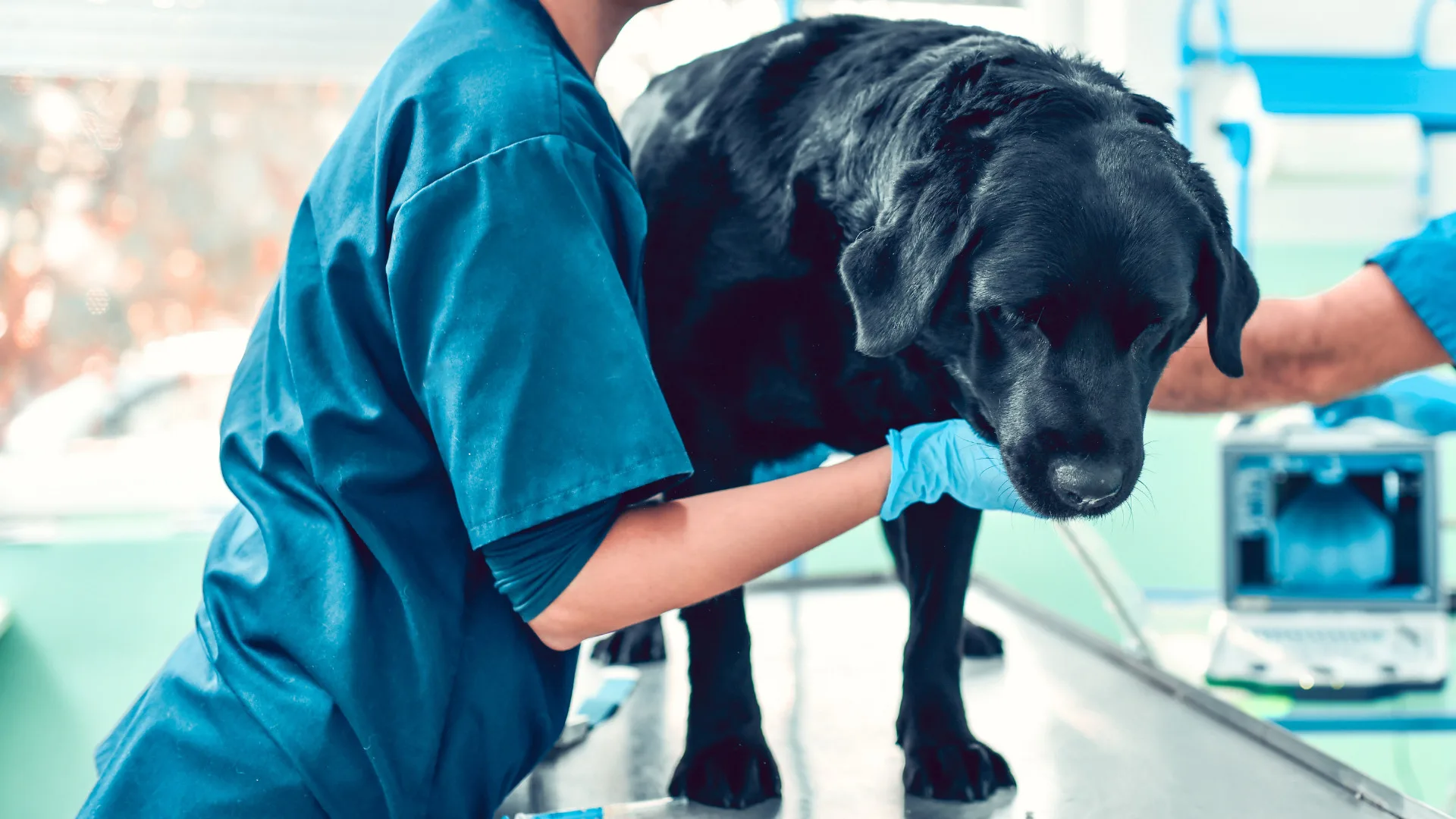
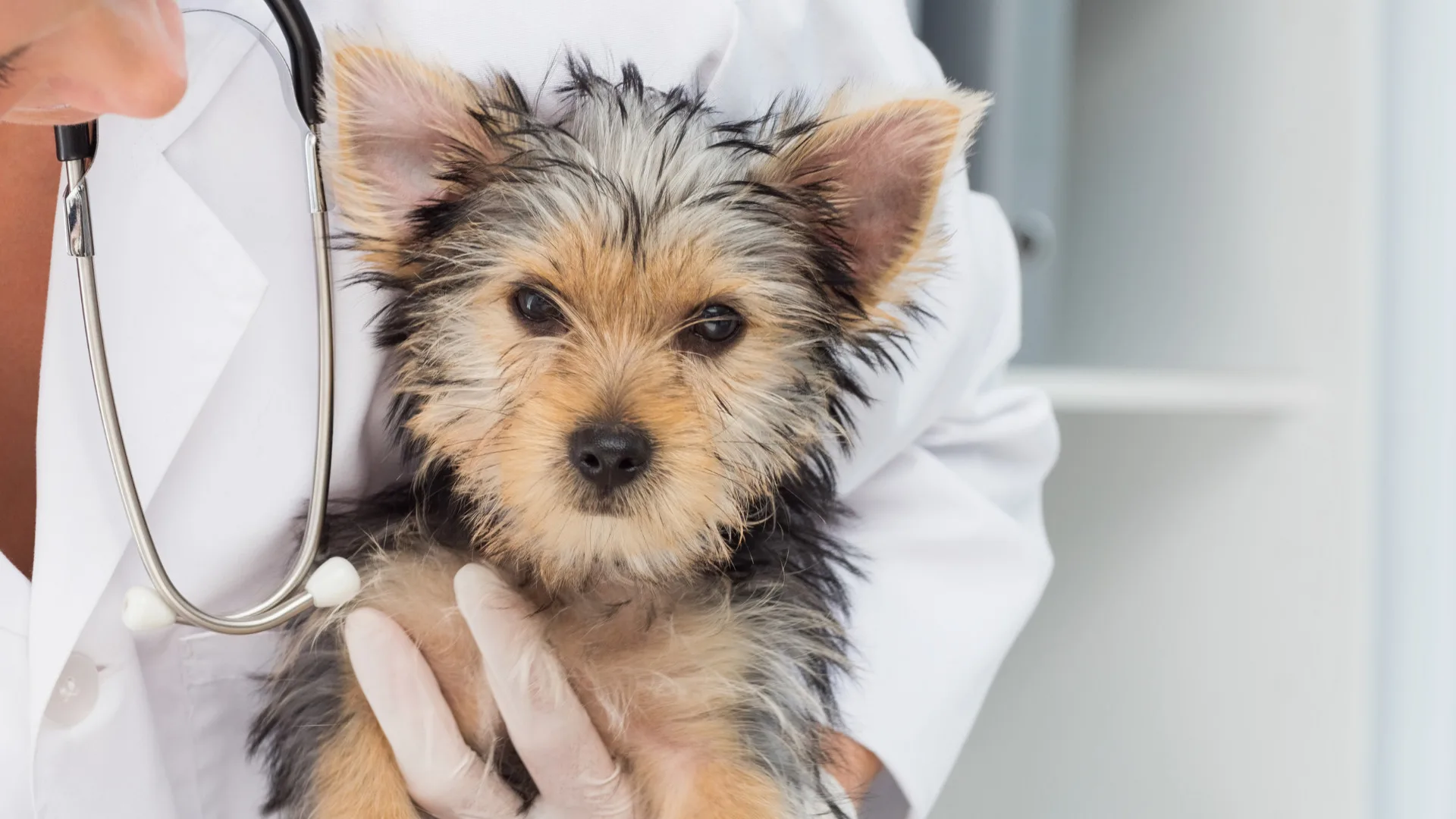


Hearing reports of dog theft can be worrying, and it’s completely understandable to feel anxious about your dog’s safety. Taking a few sensible precautions can help reduce the risk of your dog being stolen and give you peace of mind, without changing your dog’s enjoyment of daily life.
Dogs still need their walks, sniffing time and fresh air, so the aim isn’t to restrict their world, but to stay aware, prepared and confident.
Identification: Your Dog’s First Line of Protection
Making sure your dog can be clearly identified is one of the most important steps you can take.
All dogs in Ireland must be microchipped, and it’s vital that your contact details are kept up to date, especially if you move house or change your phone number. If your dog is ever lost or stolen, a registered microchip greatly increases the chances of being reunited with them.
Your dog should also wear a collar with an ID tag whenever they are in a public place. This is a legal requirement and should include your name and address.
Some owners also choose to note if their dog is microchipped and neutered, which may deter thieves hoping to breed from stolen dogs.
Finally, keep clear, up-to-date photographs of your dog from different angles, including any distinctive markings. Photos of you together can also help prove ownership if needed.
Staying Alert When Out and About
Most dogs are stolen opportunistically, so being aware of your surroundings can make a real difference.
When out walking:
- Stay alert to people or vehicles behaving unusually
- Avoid distractions such as mobile phones or headphones
- Trust your instincts, if something doesn’t feel right, move to a busier area
Varying your walking routes and times can also help, particularly if you tend to follow the same routine every day. Walking with a friend or another dog owner can be reassuring but always keep your focus on your dog.
Never leave your dog tied up outside a shop or unattended in a car. Sadly, it only takes seconds for a dog to be taken, and cars can become hot very quickly, even in mild weather.
If your dog is off the lead, make sure their recall is reliable. If you’re unsure, using a long training lead can allow them freedom while keeping them safe, especially in unfamiliar places.
Some owners also find it helpful to carry a personal alarm or use a GPS tracker attached to their dog’s collar or harness, though these should only be relied on as an added layer of security.
Keeping Your Dog Safe at Home
Gardens can be vulnerable spots, particularly front gardens or areas visible from the street. Try to keep your dog within sight when outdoors and avoid leaving them unsupervised for long periods.
Check that fences and gates are secure and locked and consider fitting a bell, so you’ll hear if a gate is opened. Good outdoor lighting can also help, especially during evening toilet breaks.
At home, remember to close and lock doors and windows when you’re out as this protects not just your dog, but your home as well.
Some people choose to use CCTV outside and inside the home as an added deterrent.
Social Media: Share….With Care
Sharing photos of our dogs online is a joy, but it’s worth thinking carefully about what information we’re also sharing.
Try to:
- Keep social media profiles private where possible
- Avoid posting details about your location or daily routines
- Wait until you’re home before tagging places you’ve visited
- Blur ID tags or visible address details in photos
Be cautious of strangers asking lots of questions about your dog online, especially about their breed, age or whereabouts.
When Someone Else is Caring for Your Dog
If your dog is staying with a sitter, walker or boarding kennel, take time to choose a reputable service. Ask for references, check reviews, and make sure they have appropriate security and insurance in place.
Your dog’s safety should always be a priority, whether they’re with you or someone you trust.
Other Helpful Considerations
Neutering your dog may reduce the risk of theft linked to breeding and offers several health and behavioural benefits.
If you breed puppies, be cautious when arranging viewings. Limit the number of visitors at one time, keep puppies in a secure area, and have another adult present if possible.
It’s also worth having a clear understanding within your household about who legally owns your dog. While it may feel uncomfortable to think about, written agreements can prevent disputes in difficult circumstances such as relationship break ups.

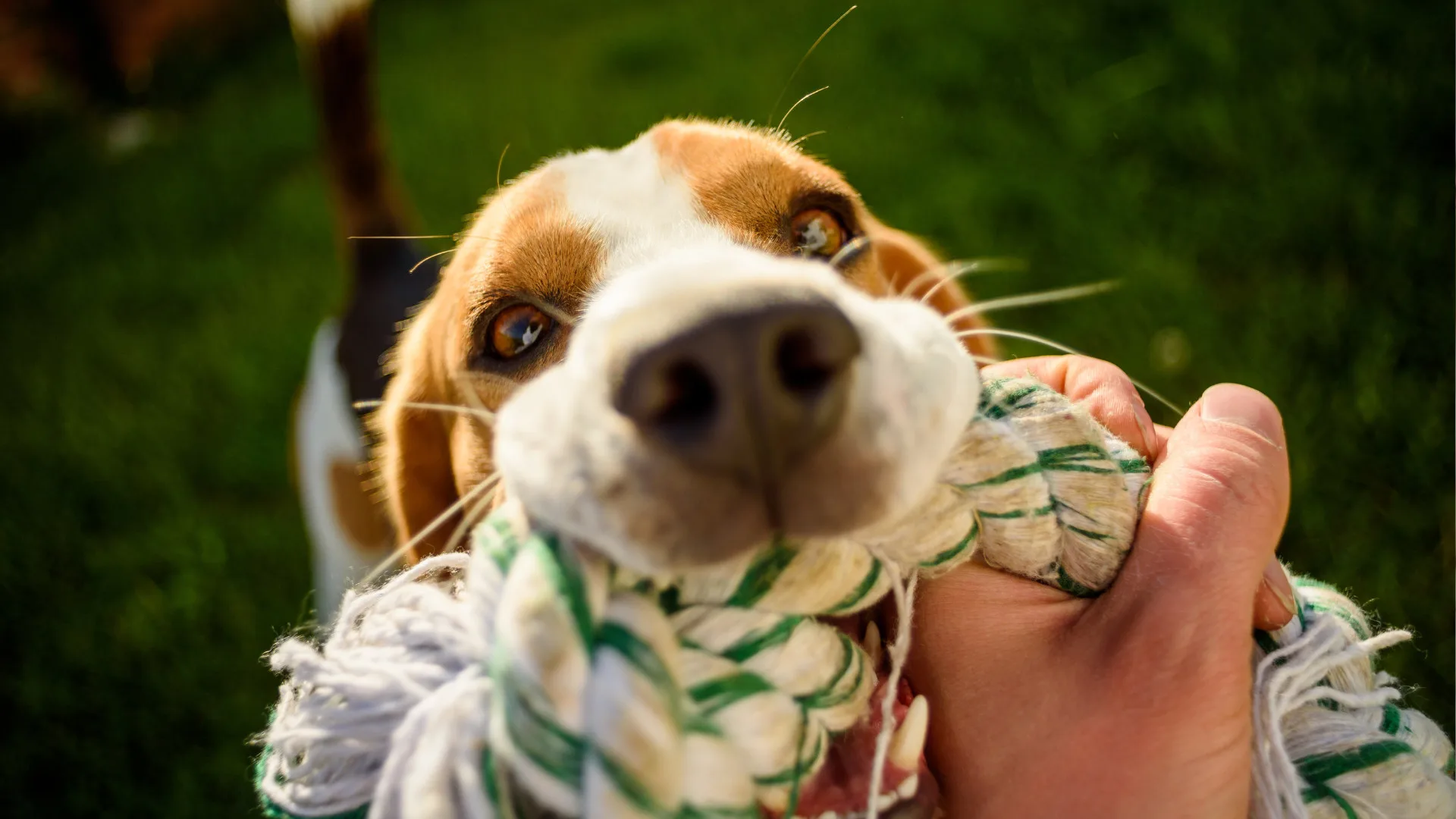
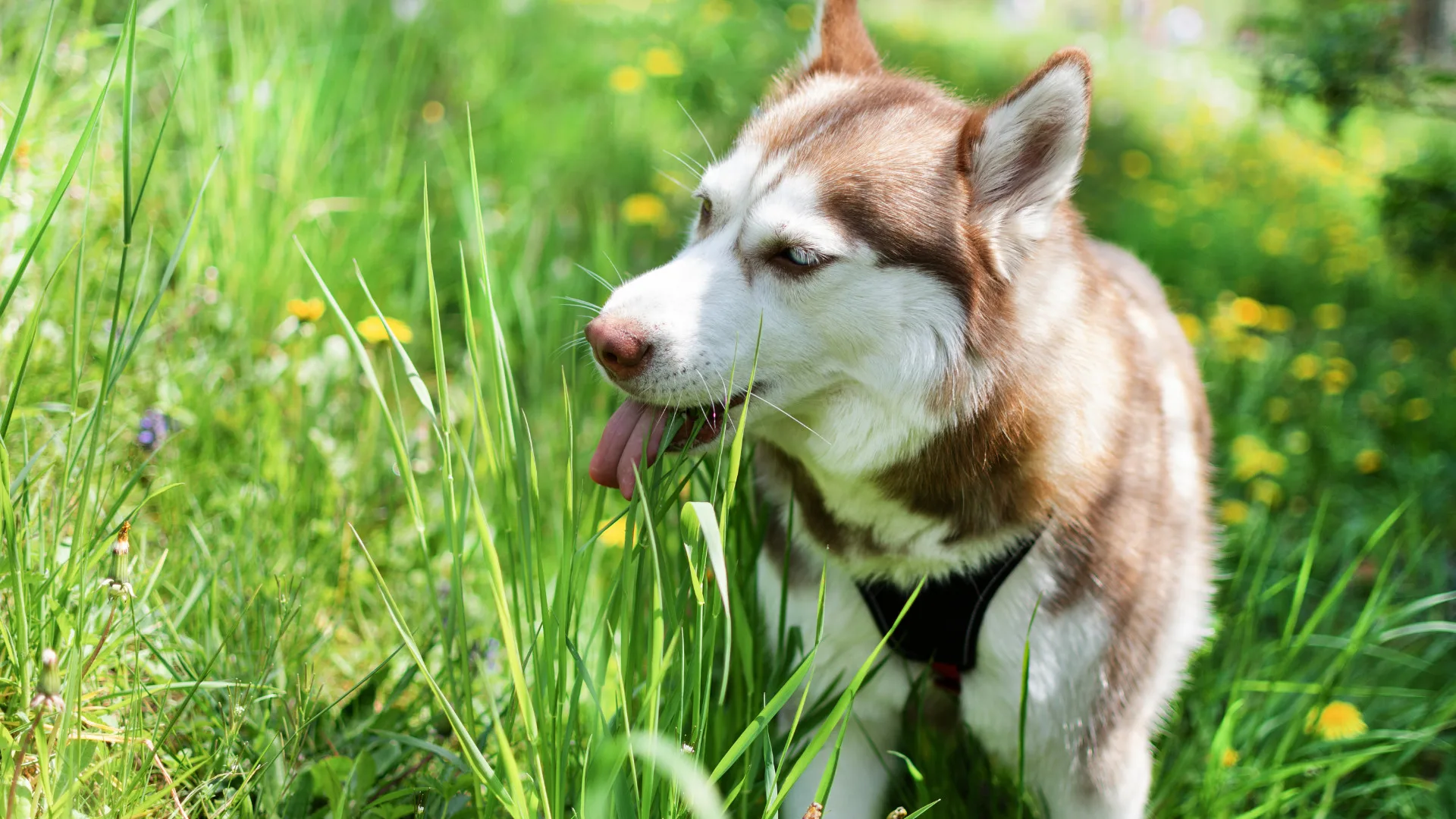

Worms are an unfortunately common problem for dogs, but the good news is that they’re usually easy to prevent and treat. With the right care and regular worming, most dogs stay perfectly healthy and avoid any long-term issues.
Dogs of all ages can pick up worms, but puppies are particularly vulnerable. Some types of worms can also pose a small risk to people, which is why routine prevention and good hygiene are so important for every household with a dog.
What Are Worms and Why Do They Matter?
Worms are parasites that live inside a dog’s body, most often in the gut. They feed on nutrients that your dog needs to stay healthy. While adult dogs often cope well with low-level infections, worms can make puppies very unwell and, if left untreated, may lead to more serious health problems.
Regular worming protects your dog and helps prevent worms spreading into the environment, where they can survive in soil for long periods.
The Most Common Worms in Dogs
There are four main types of intestinal worms that affect dogs:
Roundworms are the most common and can look like strands of spaghetti. Puppies are often born with them or become infected through their mother. Roundworms live in the intestines, but their larvae can travel through the body before settling back in the gut.
Hookworms are much smaller but feed on blood, which makes them particularly dangerous for young puppies. They are uncommon in Ireland but can be found in parts of Europe.
Whipworms live in the large intestine and are relatively rare. Many dogs show no symptoms unless the infection is heavy.
Tapeworms are flat, segmented worms that live in the small intestine. Dogs usually catch them by swallowing fleas while grooming or by eating prey animals. Small segments may sometimes be seen in your dog’s poo or around their bottom.
Although not an intestinal worm, lungworm is increasingly seen in Ireland and can cause serious illness. Not all routine wormers protect against lungworm, so it’s important to speak to your vet about the right prevention.
How Do Dogs Get Worms?
Dogs can pick up worms in a variety of everyday ways. Puppies may be infected before they’re even born or through their mother’s milk. Adult dogs can swallow worm eggs from contaminated soil, grass or poo, or become infected by eating raw meat, rodents or carcasses. Tapeworms are often linked to fleas, which is why flea control is an important part of worm prevention.

Treating and Preventing Worms
The best way to manage worms is prevention. Your vet can advise you on a worming plan that suits your dog’s age, lifestyle and risk factors.
Puppies need frequent worming during their first few months of life, while most adult dogs benefit from treatment every one to three months. Dogs that hunt, scavenge or live with young children may need more frequent treatment. Flea control is also essential to help prevent tapeworm.
Prescription wormers from your vet are the most reliable option. If you’re unsure which product to use, always ask for advice before treating your dog.

Xylitol (also known as wood sugar or birch sugar) is a widely used sugar substitute that is extremely dangerous for dogs. Even very small amounts can cause severe illness and may be fatal.
As it is found in many everyday household products, prevention and awareness are essential.
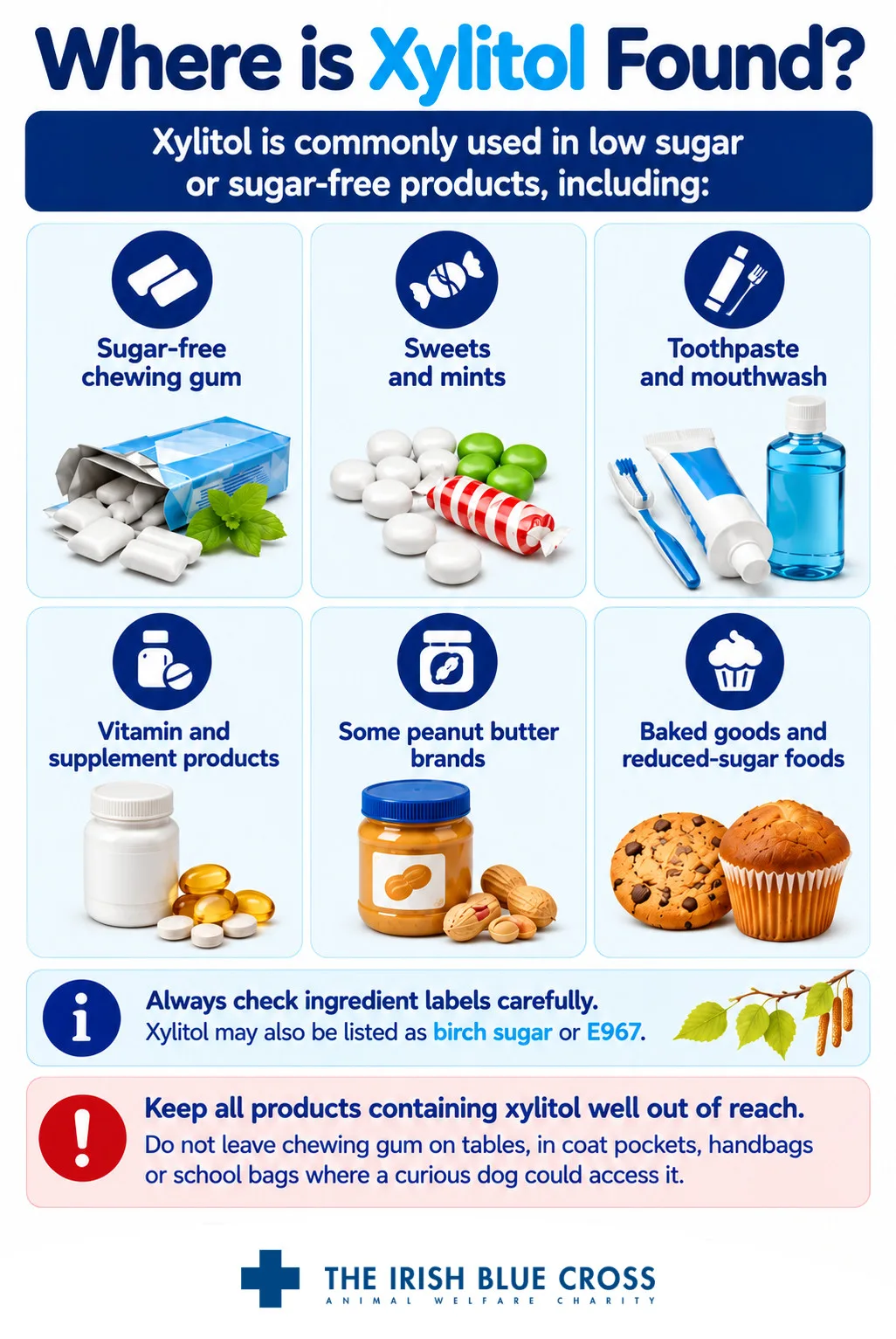
Why is Xylitol So Dangerous to Dogs?
In dogs, xylitol triggers a powerful release of insulin from the pancreas. The body mistakenly treats it like real sugar. This sudden surge of insulin causes blood sugar levels to drop rapidly a condition known as hypoglycaemia.
Low blood sugar can develop quickly and may lead to collapse, seizures or coma.
In some cases, xylitol can also cause acute liver failure. The exact reason for this reaction is not fully understood, but it can be life-threatening.
How Much is Toxic?
The amount needed to cause harm depends on:
- The concentration of xylitol in the product
- The size of the dog
However, only a small quantity can be dangerous. In some cases, a single piece of sugar-free chewing gum can make a small or medium-sized dog critically ill.
As product formulations vary, it is safest to treat any ingestion as an emergency.
What is the Timeline for Xylitol Poisoning?
Symptoms can develop rapidly, often within 30 minutes, but in some cases may take up to 12 hours to appear.
Do not wait for signs to develop before contacting your vet. Early treatment significantly improves outcomes.
Signs of Xylitol Poisoning
Symptoms may include:
- Vomiting
- Weakness or extreme tiredness
- Disorientation
- Tremors or seizures
- Collapse
- Unconsciousness or coma
If liver damage develops, additional signs may appear later and can be severe.
What Should I Do if My Dog Eats Xylitol?
Treat this as an emergency.
Contact your vet immediately or attend the nearest veterinary clinic. Xylitol is absorbed quickly into the bloodstream, so rapid intervention is critical.
If possible, bring the product packaging with you. This helps the vet determine how much xylitol your dog may have consumed.
How is Xylitol Poisoning Treated?
If seen early, your vet may:
- Induce vomiting to remove the product from the stomach
- Start an intravenous glucose drip to stabilise blood sugar
- Monitor blood sugar levels closely
- Perform blood tests to assess liver function
Dogs often require hospitalisation for monitoring over 24–72 hours.
If liver damage occurs, treatment becomes more complex and may require intensive or specialist care.
What is the Outlook/Prognosis?
When treatment is started quickly and blood sugar is stabilised early, many dogs recover well.
Delays in treatment increase the risk of:
- Severe hypoglycaemia
- Liver failure
- Permanent organ damage
- Death
Acting immediately can save your dog’s life.
Is Xylitol Dangerous to Other Pets?
Xylitol can also be harmful to other animals. All human food products, particularly sugar-free items, should be kept out of reach of every pet in the home.
Prevention Tips
- Check ingredient labels for xylitol or birch sugar
- Store sugar-free products securely
- Educate family members and visitors about the risk
- Avoid sharing human food with pets
Xylitol poisoning is a preventable emergency. Awareness, careful storage and rapid action if exposure occurs, are the best ways to protect your dog. If you are ever in doubt, contact your veterinary team without delay.


A season is a normal part of life for unspayed female dogs. Hormonal changes prepare the body for pregnancy, which is why your dog may seem a little different to her usual self. Some dogs become clingier or more restless, while others prefer their own space.
Although people sometimes refer to a season as a dog’s ‘period’, the bleeding you see is not the same as menstruation in humans. Instead, it’s a sign that your dog is entering her fertile phase. Being in season isn’t painful, but it can make dogs feel uncomfortable, unsettled or a bit out of sorts.
Dogs don’t go through menopause, so unless they are spayed, they will continue to have seasons throughout their lives, even in old age.
Signs, Symptoms and Behaviour
Every dog is different, but common signs that a dog is in season include:
Physical Signs
- A swollen, reddened vulva
- Bleeding or discharge (which may be red, brown or yellow)
- Licking their back end more than usual
- Urinating more frequently
Behavioural Changes
- Increased interest in other dogs or becoming unusually friendly
- Roaming or trying to escape to find male dogs
- Mounting or humping people, dogs or objects
- Moving their tail to one side when touched
- Restlessness, anxiety or nesting behaviours
Some dogs show only subtle signs, so it’s important to stay alert around the time you expect a season.

Caring For Your Dog During Her Season
Extra TLC
Hormonal changes can leave your dog feeling confused or unsettled, so a little extra reassurance goes a long way. Stick to a calm, predictable routine and provide gentle mental stimulation at home, such as puzzle feeders or enrichment toys. Walks are still important, but it’s best to choose quieter areas and times of day.
Preventing pregnancy
During her season, your dog will be highly attractive to male dogs and may actively seek them out.
To avoid an unwanted pregnancy:
- Keep her on a lead when out and about
- Avoid busy dog-walking areas
- Never leave her unattended in the garden
- Keep her separate from any unneutered male dogs, even within the home
If your dog does accidentally mate, contact your vet as soon as possible. Don’t try to separate dogs that are mating, as this can cause serious injury.
Managing bleeding at home
Some dogs bleed heavily, while others hardly at all.
To protect your home, you may find it helpful to:
- Limit access to carpets, sofas and bedding
- Use washable blankets or towels
- Consider dog pants or nappies indoors (these should be removed for walks and toilet breaks)
Preventing Future Seasons
Spaying (neutering) is the most effective way to prevent seasons and unwanted pregnancies. It involves removing the ovaries, and usually the uterus, so your dog can no longer come into season.
Other options, such as hormone injections or tablets, are available but are not commonly recommended, due to potential side effects. Your vet can talk you through the safest options for your dog.
If you ever feel unsure or worried while your dog is in season, don’t hesitate to contact your vet.

Cold weather can be tough on all of us, and our dogs are no exception. Shorter days, icy ground and dropping temperatures bring extra challenges, so a little forward planning can help keep your dog comfortable, healthy and out of harm’s way throughout the winter months.
When the temperature drops, it’s best not to leave dogs outside alone for long periods. Many pets spend most of their time indoors and aren’t used to extreme cold, which can put them at risk of hypothermia or frostbite.
Does My Dog Need a Coat?
Some dogs cope better with cold weather than others. Short-haired breeds such as Greyhounds, Dobermans and Staffordshire Bull Terriers often feel the cold quickly and can benefit from wearing a warm coat or jumper when outdoors. Puppies, senior dogs and those with medical conditions may also need extra layers.
Dogs with thick double coats, like Labradors, Huskies and German Shepherds, are usually more cold-resistant, but every dog is individual. If your dog seems reluctant to go outside, shivers, or slows down on walks, they may appreciate a little extra warmth.
Protecting Paws From the Cold
Cold footpaths, ice and grit can be hard on paws. If your dog starts lifting their feet, stops suddenly or whines on walks, their paws may be sore or too cold. Doggy boots can help, but they should be introduced gently at home first. If your dog isn’t happy wearing them, please don’t force the issue.
After winter walks, always wipe your dog’s paws to remove salt or grit, which can irritate skin and be harmful if licked.
Winter Walks: Staying Safe and Visible
If your dog is healthy, regular walks are still important, even in winter. Just take extra care in icy or slippery conditions, and don’t head out if it’s unsafe for you.
When walking in snow or frost:
- Trim excess fur between paw pads to help prevent painful ice balls forming
- Dress your dog warmly, if they feel the cold
- Keep well away from frozen lakes or ponds and always use a lead near water
- Dry your dog thoroughly once you’re home
If your dog has arthritis, cold weather can make stiffness and discomfort worse. Contact your vet if you notice any change in mobility or behaviour.
Walking in the Dark
Dark evenings can make walks riskier for both you and your dog.
To stay safe:
- Use reflective or flashing collars, harnesses or leads
- Wear bright or reflective clothing yourself
- Carry a torch or headlamp
- Stick to well-lit paths where possible
Only let your dog off the lead in secure, familiar areas well away from roads, and keep recall skills sharp. Walking with a friend can also offer extra reassurance on darker nights.
Keeping Your Dog Cosy at Home
Once indoors, small adjustments can help your dog stay snug and comfortable.
A warm, well-padded bed placed away from draughts can make a big difference, especially for older dogs and raised beds help keep dogs off cold floors. Extra blankets are always welcome, and some dogs appreciate wearing a light jumper indoors during particularly cold spells.
Indoor Games For Cold Days
If the weather makes outdoor exercise difficult, indoor play can help burn energy and keep boredom at bay.
Try:
- Gentle fetch using soft toys on carpeted floors
- Food puzzles or treat-dispensing toys to keep minds active
- Supervised games of tug, with clear rules for safe play
If your dog is less active during winter, you may need to slightly reduce their food intake to help prevent weight gain.

Extra Care For Older Pets
Cold weather can worsen joint stiffness and arthritis in older pets. Gentle exercise, warmth and regular vet checks are especially important at this time of year.
Watch Out for Hypothermia
In very cold conditions, pets can develop hypothermia. Signs include shivering, lethargy, weakness and pale gums. If you’re concerned your pet is too cold, warm them gently and contact your vet for advice.


Halloween can be a terrifying time for many pets. Fireworks, trick-or-treaters at the door, unusual noises and disruptions to routine can all cause anxiety and fear. Taking a few simple precautions can help keep your pets safe, calm and comfortable.
Before Halloween
Check your pet’s identification details
- Ensure your pet is microchipped and that your contact details are up to date.
- Make sure dogs wear a collar and ID tag with current contact information.
- Check that fences, gates and garden boundaries are secure.
Plan ahead
- Walk dogs earlier in the day before fireworks are likely to begin.
- During the Halloween period, keep dogs on a lead outdoors as unexpected fireworks can cause even normally confident dogs to panic and run.
- If your cat usually goes outdoors, bring them inside before dark and prepare a litter tray for indoor use.
During Fireworks
Keep pets indoors
- Do not leave pets in gardens, cars or tied outside shops.
- Keep windows, doors and cat flaps closed.
- If your dog needs to go outside to toilet, accompany them and keep them on a lead.
Stay calm
- Pets often take cues from their owners. Try to remain relaxed and keep routines as normal as possible.
- If your pet seeks comfort, provide reassurance through gentle interaction and a calm voice.
- If they prefer to hide, let them do so.
Never punish fearful behaviour
Barking, pacing, hiding, shaking, house-soiling or clinginess are often signs of fear, so punishment will only increase anxiety.
For more information on dealing with fireworks for your dog, visit this page and for cats, visit this page.
Keep Treats Out of Reach
Many Halloween treats are dangerous for pets.
Keep the following well out of reach:
- Chocolate
- Grapes
- Raisins
- Sweets and sugar-free products
- Any food containing xylitol
If you suspect your pet has eaten something toxic, contact a veterinary practice immediately.
Avoid Costumes
While costumes may seem harmless, many pets find them uncomfortable or stressful. Dressing up animals can:
- Increase anxiety
- Restrict movement
- Cause overheating
- Increase the risk of fear-related scratching or biting
If a pet shows any signs of distress, remove the costume immediately.
Additional Support for Nervous Pets
Some pets benefit from:
- Pheromone diffusers or sprays
- Calming supplements recommended by a vet
For pets with a history of severe firework fear, speak to your vet well in advance. Behavioural support or medication may be appropriate in some cases.
Summary
Halloween can be unpredictable, with fireworks occurring before, during and after 31st of October. A little preparation can make a significant difference. Keeping pets indoors, providing a safe space, maintaining normal routines and ensuring identification details are up to date are some of the most effective ways to protect pets during what can be a very stressful time.
Many dog owners feel they understand their dog well. However, dogs communicate very differently from humans, and most of their communication happens through body language.
Understanding these signals can help prevent misunderstandings and improve the relationship between dogs and people.
Research shows that most dog bites happen in familiar environments and often involve people the dog already knows. In many cases, the dog has given warning signals beforehand, but these signals were not recognised.
Learning to read dog body language can help keep both people and dogs safe.
Why Dogs Use Body Language
Dogs have lived alongside humans for thousands of years, but they still retain many of their natural instincts such as guarding, herding and hunting.
When a dog feels uncomfortable or threatened, they usually try to communicate this through body language first. Biting is generally a last resort, used when the dog feels they have no other option to make a scary situation stop.
Before this point, dogs often show a range of subtle signals to try to avoid conflict.
Early Warning Signs of Stress
Dogs often give subtle signals when they feel worried or uncomfortable.
Common early signs include:
- Turning their head away
- Lip licking or nose licking
- Yawning when not tired
- Sniffing the ground suddenly
- Raising a paw stiffly (not like ‘giving the paw’)
- Trying to move away
These behaviours are sometimes called calming signals. They are ways dogs try to reduce tension and communicate that they want space.
If you notice these signs, it’s best to give the dog some room.
Considering the Situation
Body language should always be interpreted alongside the situation your dog is in.
For example, a dog shaking their body after a swim is simply drying off. However, dogs may also perform a full body shake after a stressful event, such as meeting an unfamiliar dog or hearing a loud noise. This behaviour can help them release tension.
Looking at both the behaviour and the environment helps you understand what your dog may be feeling.
Signs Your Dog is Uncomfortable
When dogs feel worried or uneasy, their body language changes.
Signs to watch out for include:
- A low or tucked tail
- Stiff body posture
- Ears pinned back
- Avoiding eye contact
- Turning their head away
- Lip licking or repeated yawning
- Freezing or becoming very still
- Whale eye: when a dog turns their head slightly away but keeps their eyes fixed on something, so the white part of the eye becomes clearly visible. This can make the eye look wide or tense.
Some dogs may also roll onto their back but remain stiff rather than relaxed. This can be a sign of appeasement, meaning the dog is trying to show they are not a threat.
If you see these signs, it’s best to give the dog space.
Signs a Dog May Become Aggressive
If a dog feels extremely threatened or frightened, their body language may escalate.
Possible warning signs include:
- A stiff or rigid tail
- Very tense body posture
- Intense staring or fixed eye contact
- Ears pulled tightly forward or flat back
- Showing teeth
- Growling
These behaviours are serious warnings and ignoring them can increase the risk of a bite.
If a dog begins showing these signals, stop interacting and give them space immediately.
Why Dogs Sometimes Bite
Dogs may bite for several reasons, including fear or anxiety, pain or illness, feeling trapped or unable to escape or lack of socialisation with people or situations.
Dogs that have not been gradually introduced to everyday experiences may find normal situations frightening, which can lead to defensive behaviour.
Summary
Dogs communicate clearly through their posture, facial expressions and movement. By learning to recognise these signals, we can respond appropriately and avoid situations that may cause stress.
Understanding what your dog is trying to say helps build trust — and leads to a safer, happier relationship for both of you.
Many common garden and house plants can be harmful to dogs. While some may only cause a mild upset tummy, others can lead to more serious illness, particularly if your dog eats a large amount.
Most dogs will naturally avoid plants that don’t smell or taste right to them. However, curious puppies and young dogs are much more likely to investigate with their mouths.
Knowing what plants to watch out for, and recognising the signs of poisoning, can help you act quickly if something goes wrong.
If you’re worried that your dog has eaten something they shouldn’t have, always contact your vet straight away for advice.
In some cases, only certain parts of a plant are toxic, such as bulbs, berries or leaves. As it’s not always easy to tell which parts are dangerous, it’s safest to keep your dog away from the entire plant.
Most plant poisonings cause mild symptoms, but some can be serious, particularly if several plants are eaten in a short space of time.
It’s also worth remembering that this isn’t a complete list. New plant risks are still being identified, and even plants not known to be toxic can cause problems if eaten in large quantities.
Are There Dog-Friendly Plants?
There’s no guaranteed list of plants that are completely safe for dogs. Plant identification can be tricky, and many plants, even those considered low risk, may still cause stomach upset if chewed or swallowed.
For this reason, it’s best to keep houseplants out of reach and supervise your dog in the garden and on walks.
Signs of Plant Poisoning in Dogs
Symptoms can vary depending on the plant and how much was eaten, but common signs include:
- Drooling or excessive salivation
- Loss of appetite
- Low energy or lethargy
- Vomiting or diarrhoea (sometimes with plant material present)
- Drinking or urinating more than usual
- Skin redness or rashes
- Mouth sores or ulcers
- Pale gums
- Muscle twitching or seizures
- Collapse
If your dog shows any of these signs, or you think they may have eaten a poisonous plant, contact your vet immediately.
Other Garden Hazards to Be Aware of
Gardens and green spaces can contain other hidden dangers:
Compost and grass clippings
These can grow harmful moulds and bacteria so, always store compost securely and keep dogs away from freshly cut grass.
Fungi and mushrooms
Often appearing in warm, damp conditions, especially in autumn and some mushrooms can be life-threatening if eaten.
Pesticides, weed killers and fertilisers
Many garden products are toxic to pets so, please avoid using them where your dog plays, and block off treated areas.
Grass seeds
Grass seeds can become lodged in your dog’s skin, paws, ears or armpits, causing irritation, infection and sometimes serious complications. They’re common in long grass during spring and summer, not just freshly seeded lawns.
Dogs are loved pets in many homes, but even the best-behaved dogs can develop habits that their owners can find frustrating. Pulling on the lead, jumping up at visitors or barking at other dogs are common issues that many owners experience.
The good news is that most unwanted behaviours can be improved with patience, understanding and the right training approach.
Some behaviours are minor annoyances, while others can affect a dog’s wellbeing or even become dangerous if not addressed early.
Does My Dog Need Help?
Small behaviour problems can sometimes be improved by revisiting basic training. For example, if your dog stops coming back when called, practising recall again in a quieter environment with fewer distractions can help rebuild the behaviour.
Dogs benefit from ongoing training throughout their lives. Even well-trained dogs may need occasional refresher training to reinforce good habits.
However, some behaviour problems are more complex and may require professional support.
When to Speak to Your Vet
If your dog’s behaviour changes suddenly or becomes more severe, it is always best to speak to your vet first.
Pain, illness or discomfort can cause behaviour changes in dogs, so it’s best to have a veterinary check-up to diagnose or rule out underlying medical causes before you start behaviour training.
Your vet may also recommend training advice or refer you to a qualified behaviour professional if needed.
Getting Help from Trainers or Behaviourists
If training at home is not working, professional support can be helpful.
A qualified dog trainer can help with common training issues such as:
- Loose lead walking
- Recall
- Jumping up
- Basic obedience
For more serious or complex problems, such as aggression or severe anxiety, a certified dog behaviourist may be recommended. Behaviourists assess the underlying cause of the behaviour and develop a structured training plan for both dog and owner.
Behaviour Modification Training
Behaviour modification focuses on helping dogs learn alternative, more appropriate behaviours but several approaches may be used, depending on the problem.
Reward-Based Training
Reward-based training focuses on reinforcing behaviours you want to see.
This approach may involve using the following as rewards:
- Treats
- Praise
- Play
- Toys
When dogs are rewarded for good behaviour, they are more likely to repeat it.
For example, if your dog chews household items, providing appealing chew toys and rewarding your dog for using them can help redirect the behaviour.
Punishment-based methods can cause fear and stress and can damage the relationship between dog and owner, so they are discouraged.
Counter-Conditioning and Desensitisation
Counter-conditioning and desensitisation aim to change a dog’s emotional response to something they find frightening.
This involves gradually exposing the dog to the trigger at a safe distance while pairing it with something positive, such as treats or praise.
As this technique must be done carefully to avoid making the problem worse, it is best carried out with guidance from a qualified behaviour professional.
This is not to be confused with ‘flooding’ a technique of over-exposing a dog to something they are afraid of to ‘get them over it’. The easiest way to describe flooding is to be put in a room full of spiders if you were terrified of them. This would be most likely to make your fear worse and distress you.
Active Supervision Around Children
Even well-behaved dogs should always be actively supervised when around children.
Children can behave unpredictably and may not recognise when a dog is becoming uncomfortable.
Learning to Read Dog Body Language
Dogs communicate constantly through body language. Recognising early signs of stress can help prevent problems before they escalate.
Signs a dog may be uncomfortable include:
- Lip licking
- Yawning
- Turning their head away
- Moving away from a situation
- A stiff body posture
If you notice these signals, giving the dog space can prevent further stress.
Summary
Unwanted behaviour can be frustrating, but with patience and the right support, many dogs improve significantly.
The most important steps are:
- Understanding why the behaviour happens
- Staying calm
- Using positive reinforcement training methods
- Seeking professional help when needed
With time, guidance and consistency, many behaviour challenges can be successfully managed, helping both you and your dog to enjoy a happier life together.
If your dog’s eye looks red, puffy or irritated, it’s easy to assume it’s just a minor infection but many different conditions can cause these signs.
Eye problems can worsen quickly, so early treatment is very important. If you notice any change in your dog’s eyes, please contact your veterinary practice promptly. Delaying treatment can lead to more serious complications, including permanent damage to sight.
General Information
Redness and swelling are signs of inflammation. To help your vet assess the problem, make a note of any other symptoms, such as:
- Squinting or holding one eye closed
- Excessive blinking
- Rubbing at the face
- Watery, sticky or coloured discharge
- Sensitivity to light
- Cloudiness
- A change in the size or shape of the eye
If your dog appears painful, lethargic, or distressed, ask for an urgent appointment.
Common Causes of Red or Swollen Eyes
There are many possible causes, including:
Conjunctivitis
Inflammation of the lining of the eyelids and eye surface. This can be caused by bacteria, viruses, allergies or irritants.
Corneal Ulcers
A scratch or wound on the surface of the eye. These are painful and may cause redness, discharge and squinting. Ulcers require prompt treatment.
Foreign Bodies
Grass seeds, dust, sand, smoke or minor trauma (including a scratch from another animal) can irritate the eye.
Dry Eye (Keratoconjunctivitis Sicca)
Reduced tear production can leave the eye dry, inflamed and uncomfortable. Without treatment, this condition can cause long-term damage.
Allergies
Environmental or skin allergies can lead to itchy, inflamed eyes.
Eyelid or Eyelash Problems
Inward- or outward-turning eyelids, or eyelashes that rub against the eye, can cause ongoing irritation.
Glaucoma
Increased pressure inside the eye. The eye may appear red, cloudy, painful or larger than normal. Glaucoma is an emergency and requires immediate veterinary attention.
Uveitis
Inflammation inside the eye. You may notice changes in pupil size, colour or cloudiness. Uveitis can be linked to underlying illness.
Exposure Keratitis
More common in flat-faced breeds such as Pugs, Shih Tzus and Bulldogs. Because their eyes are more prominent, they may not blink fully, leading to dryness and inflammation.
Masses or Tumours
Growths affecting the eyelids or structures around the eye can cause irritation and swelling.
Sharing your life with a cat can be hugely rewarding. However, caring for a cat properly is a long-term financial commitment. Before bringing a new cat or kitten home, it’s important to understand the likely costs involved over their lifetime.
Many cats live well into their mid to late teens, and some reach 18–20 years of age. Planning ahead helps ensure you can provide consistent care throughout that time.
Below is a guide to the typical costs associated with cat ownership in Ireland. Please note that prices can vary depending on location, product choice and your cat’s individual needs.
Ongoing Monthly Costs
Regular monthly expenses generally include:
- Food: €25–€70 (depending on brand and dietary needs)
- Litter: €20–€35
- Routine parasite prevention: €10–€20
- Pet insurance (if chosen): €20–€35
Monthly costs often fall between €75 and €150 but may be higher if your cat requires a specialist diet.
Annual Costs
In addition to monthly expenses, you should budget for:
- Annual veterinary health check and vaccinations: €60–€120
- Professional pet sitting or boarding (if needed): €150+ depending on duration
Unexpected illness or injury can result in significant veterinary bills. Insurance can help spread risk, but policies vary. Look for cover that protects your cat for ongoing conditions over their lifetime rather than for a limited period.
Microchipping and Neutering
Microchipping is strongly recommended for all cats. It greatly increases the chances of being reunited if your cat goes missing. While not currently a legal requirement for cats in Ireland, it is considered best practice for responsible ownership.
Outdoor Access and Cat Flaps
If you plan to allow outdoor access, a microchip-activated cat flap is recommended. These open only for your cat, helping prevent entry by other animals. Installation costs depend on the type of door or wall involved.
Even if your cat goes outdoors, it is advisable to provide an indoor litter tray at all times.
Planning for the Future
Beyond everyday expenses, please also consider:
- Emergency veterinary treatment
- Dental care
- Age-related health conditions
- Long-term medication
- Holiday care
The overall yearly cost of owning a cat in Ireland can easily exceed €1,500 per year, depending on circumstances.
Making an Informed Decision
Cats depend entirely on us for their welfare. Before taking on the responsibility, make sure you are comfortable with the long-term financial commitment as well as the time and care involved.
If you would like advice about preparing for a new cat, neutering support, or responsible ownership, please chat to your local animal rescue organisation or veterinary practice.
Encounters between dogs and deer can happen unexpectedly, so it is important for owners to manage their dogs carefully in these environments.
Most deer will try to avoid people and dogs. However, if they feel threatened or if a dog chases them, the situation can quickly become dangerous for both the wildlife and your dog.
Before visiting forests, parks or nature reserves, it is also helpful to check if there are local rules requiring dogs to remain on a lead to protect wildlife.
Your dog should always be microchipped and wearing a collar with an ID tag, with contact details kept up to date.
Why it’s Important to Prevent Chasing
Allowing a dog to chase wildlife can cause serious harm. Deer can become exhausted or injured when pursued, and dogs themselves may be injured if a deer defends itself.
In Ireland, dog owners are legally responsible for keeping their dogs under control. If a dog worries livestock or wildlife, the owner may face penalties under Irish dog control legislation.
Preventing your dog from chasing wildlife protects both your dog and the animals sharing the environment.
Times When Deer May Be More Defensive
Although deer usually avoid confrontation, they may behave more defensively during certain times of the year.
You should be especially cautious during:
- Birthing season (May to July) when females may be protecting young calves
- Rutting season (September to November) when male deer may be more territorial
During these periods, keeping your dog close and avoiding areas where deer are present is particularly important.
What to Do if a Deer Approaches
If a deer moves towards you or appears agitated:
- Remain calm and move away slowly
- Try to place a large object, such as a tree, between you and the deer
- Give the animal space so it can move away safely
Most deer will leave once they feel they are no longer threatened.
Deer, Ticks and Your Dog
Areas where deer live can have higher numbers of ticks.
After walking your dog in areas where deer are present:
- Check your dog’s coat carefully for ticks
- Remove any ticks promptly using an appropriate tick removal tool
- Consider using preventative tick treatments recommended by your veterinary practice
Regular tick checks are particularly important after walks in woodland, long grass or bogland.