
Entropion is a painful eye condition where one or more eyelids turn inwards, causing the eyelashes and skin to rub against the surface of the eye. Over time, this constant friction can lead to inflammation, repeated infections and painful ulcers. If left untreated, entropion can cause permanent damage to the eye, including scarring, loss of vision and, in severe cases, loss of the eye itself.
The condition is most often seen in dogs with short noses or loose skin around the face, and many dogs will need surgery to correct the problem and relieve their discomfort.
The condition can develop for several reasons, including:
Breed and facial shape
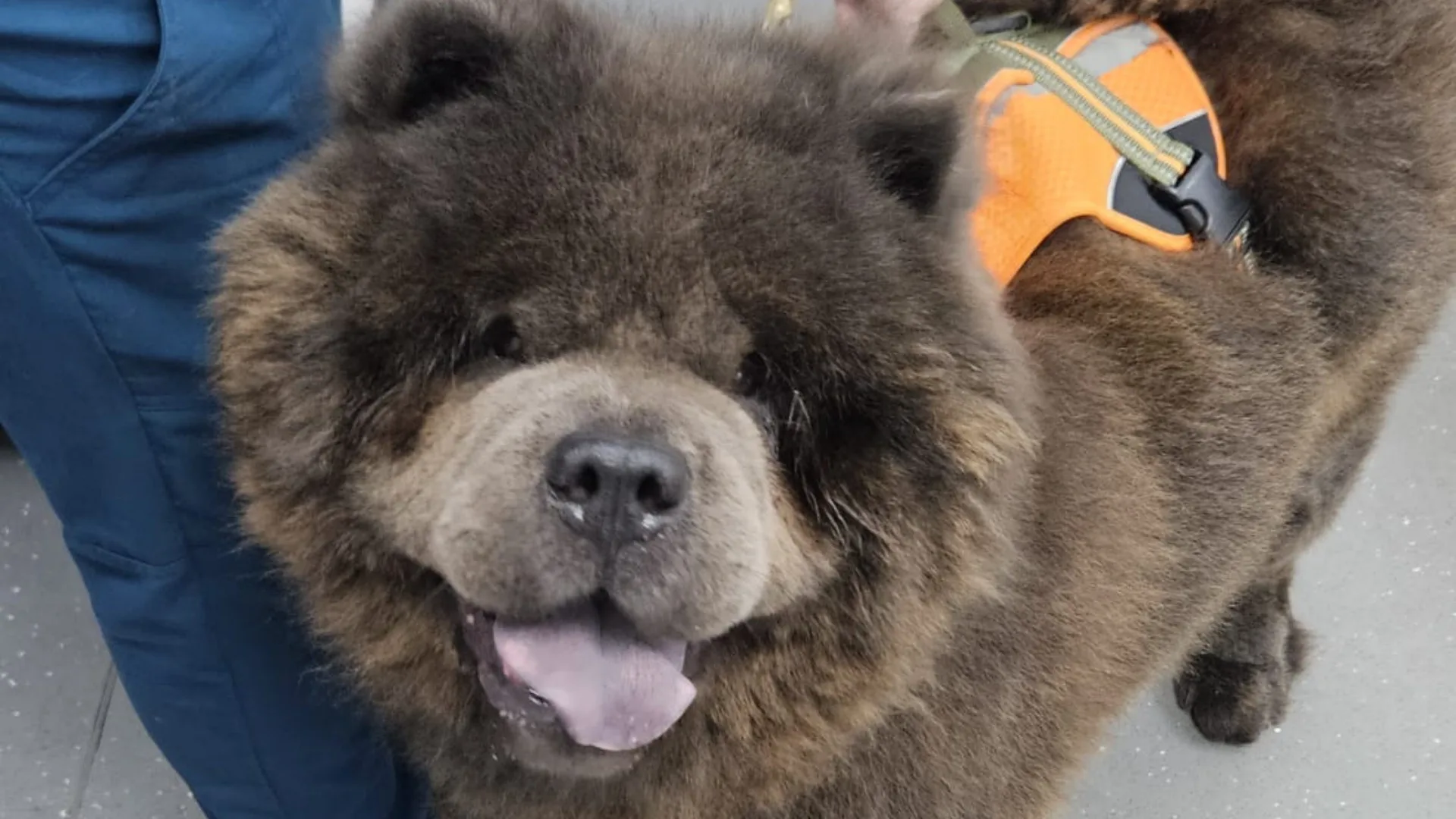
Some dogs are born with facial features that make entropion more likely, particularly those with lots of loose skin around the eyes and nose. Breeds commonly affected include Bulldogs, Chow Chows, Pugs, St Bernards and Shar Peis.
Eye pain
When an eye is painful, it can sink slightly back into the socket. This change in position can cause the eyelids to roll inwards, making the problem worse.
Skin conditions
Long-term skin problems can cause thickening or changes around the eyes, increasing the risk of entropion if left untreated.
Age-related changes
As dogs get older, their skin can become looser. Sagging eyelids may roll inwards, particularly in breeds like Cocker Spaniels.
Weight loss or injury
Sudden weight loss or damage to the eyelid from injury or surgery can occasionally lead to entropion developing.
Dogs with entropion are often clearly uncomfortable.
Signs to watch for include:
If you notice any of these signs, it’s important to have your dog checked by a vet as soon as possible.
Most dogs with entropion will need surgery to permanently correct the eyelids. The procedure involves removing a small amount of skin from above or below the eyelid so that it sits in the correct position and no longer turns inwards.
This is usually a straightforward operation, though in some cases more than one procedure may be needed to fully resolve the problem. In young dogs that are still growing, your vet may recommend a temporary ‘tacking’ procedure. This gently holds the eyelids in place until the dog matures, usually between five and twelve months of age.
Eye drops are often used before and after surgery, particularly if there is inflammation, infection or ulceration.
These may include:
Your vet will explain how and when to use each medication.
Because entropion is painful, dogs are usually prescribed pain relief to keep them comfortable during treatment and recovery.
After surgery, your dog will go home with eye drops and a protective cone or buster collar to stop them rubbing their eyes. It’s very important that the collar always stays on until your vet advises otherwise, even if your dog seems comfortable.
Most dogs recover well with the right care and quickly become much brighter once their eye pain has resolved.
Although some dogs may need more than one operation, the long-term outlook for entropion is generally very good. Once corrected and fully healed, most dogs are pain-free and unlikely to suffer from entropion again.
If you suspect your dog may have entropion, contact your vet promptly. Eye problems are often painful and can worsen quickly. Waiting to see if things improve on their own can lead to serious complications.
Because entropion is often linked to genetics and facial shape, dogs that have been affected should not be bred from. This helps reduce the risk of passing the condition on to future generations.