
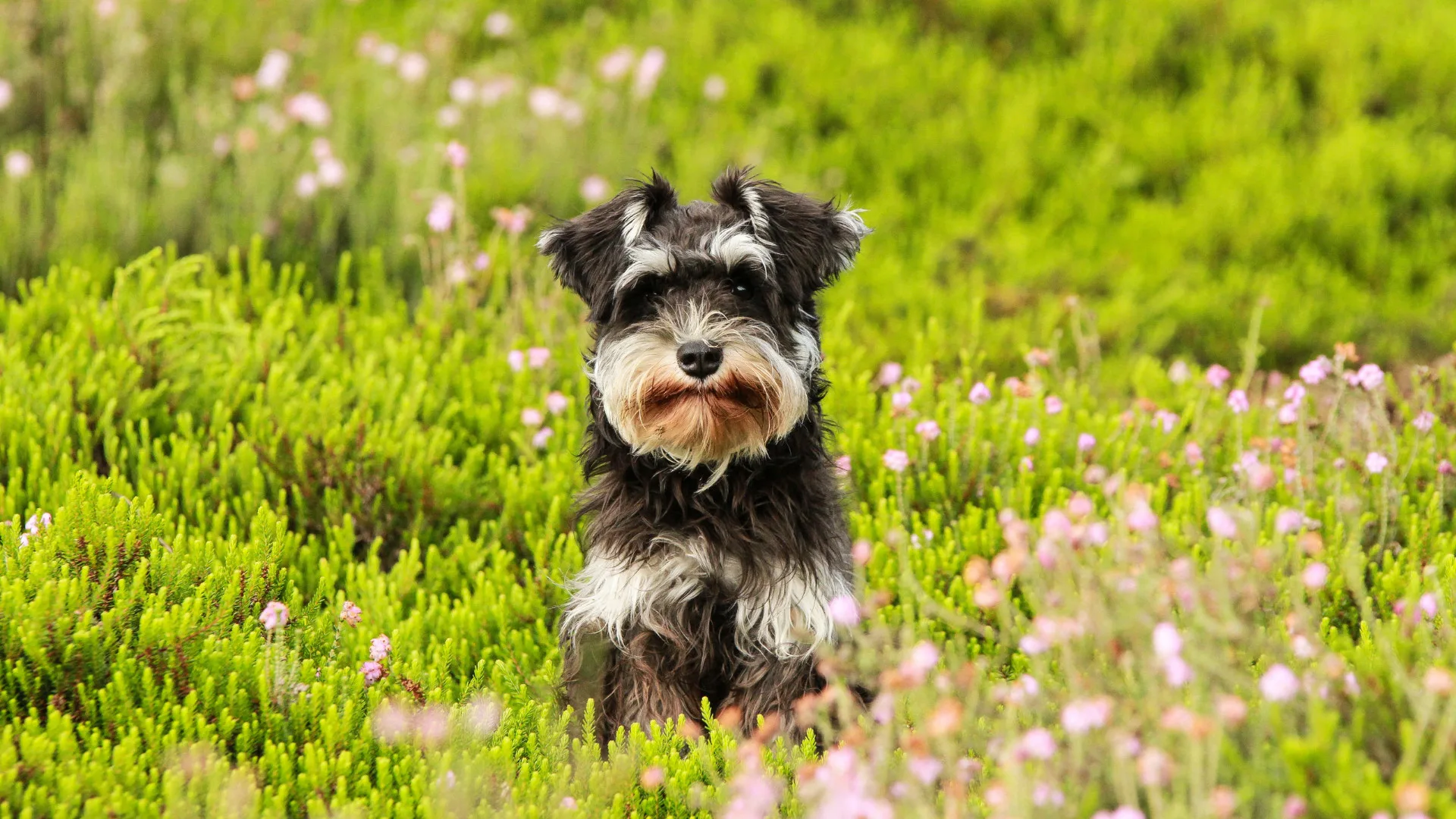
Spring brings longer days, brighter weather and gardens bursting into life. It’s a lovely time to get outdoors with our dogs, but it’s also worth being aware that some common spring plants, both in gardens and in the home, can be harmful if chewed or eaten.
Poisoning is thankfully uncommon, but a little awareness can go a long way, especially for curious dogs who love to dig, nibble or explore with their mouths.
If you ever think your dog has eaten something they shouldn’t, contact your vet straight away. It’s always better to check, even if you’re unsure.
Many spring flowers are popular because they’re colourful and easy to grow, but some contain toxins that can upset your dog’s stomach or, in more serious cases, affect the heart or nervous system.
Daffodils are a familiar sign that spring has arrived, but they can cause problems for dogs. The flowers, leaves and even the water from a vase can be toxic, with the bulbs being the most dangerous part. Dogs that dig are particularly at risk.
Signs of poisoning may include vomiting, diarrhoea, extreme tiredness, wobbliness and, in severe cases, seizures.
Tulips can irritate the mouth and stomach if eaten. Most dogs will develop drooling, vomiting or diarrhoea, but more serious symptoms such as breathing difficulties or heart problems can occur if larger amounts are consumed. As with daffodils, the bulbs contain the highest levels of toxins.
Often found in woodland and along country paths, bluebells contain substances that can affect the heart. Mild cases usually cause an upset stomach, but eating large quantities can be very serious. Keep a close eye on your dog during spring walks, particularly in wooded areas.
These striking shrubs are among the most dangerous spring plants for dogs. All parts of the plant are toxic, and even a small amount can make a dog very unwell. Puppies and smaller dogs are especially vulnerable. If you suspect your dog has eaten any part of a rhododendron or azalea, please seek veterinary help immediately.
Often kept as a houseplant as well as grown outdoors, amaryllis is poisonous in all parts. Make sure it’s kept well out of reach of pets indoors and fenced off in the garden if necessary.
There are many plants and bulbs that appear in spring which can be harmful to dogs. Some may cause mild stomach upsets, while others are more serious.
Take extra care with:
Before planting anything new, it’s always worth checking that it’s pet-safe, particularly if your dog spends time unsupervised in the garden.

Spring isn’t just about plants.
As we spend more time outdoors, there are a few extra precautions can help keep dogs safe:
Gardening: Keep dogs away from wet paint, fertilisers and chemicals, which can be harmful if inhaled or ingested.
Countryside walks: With lambs and calves in fields, please keep dogs on a lead around livestock to prevent injury or distress.
Warmer weather: As temperatures rise, adjust walk times to cooler parts of the day and make sure your dog always has access to fresh water and shade.
Parasite control: Fleas become more active in warmer weather, so keep flea and worm treatments up to date.
Easter treats: Chocolate is highly toxic to dogs – store it securely and contact your vet immediately if any is eaten.