
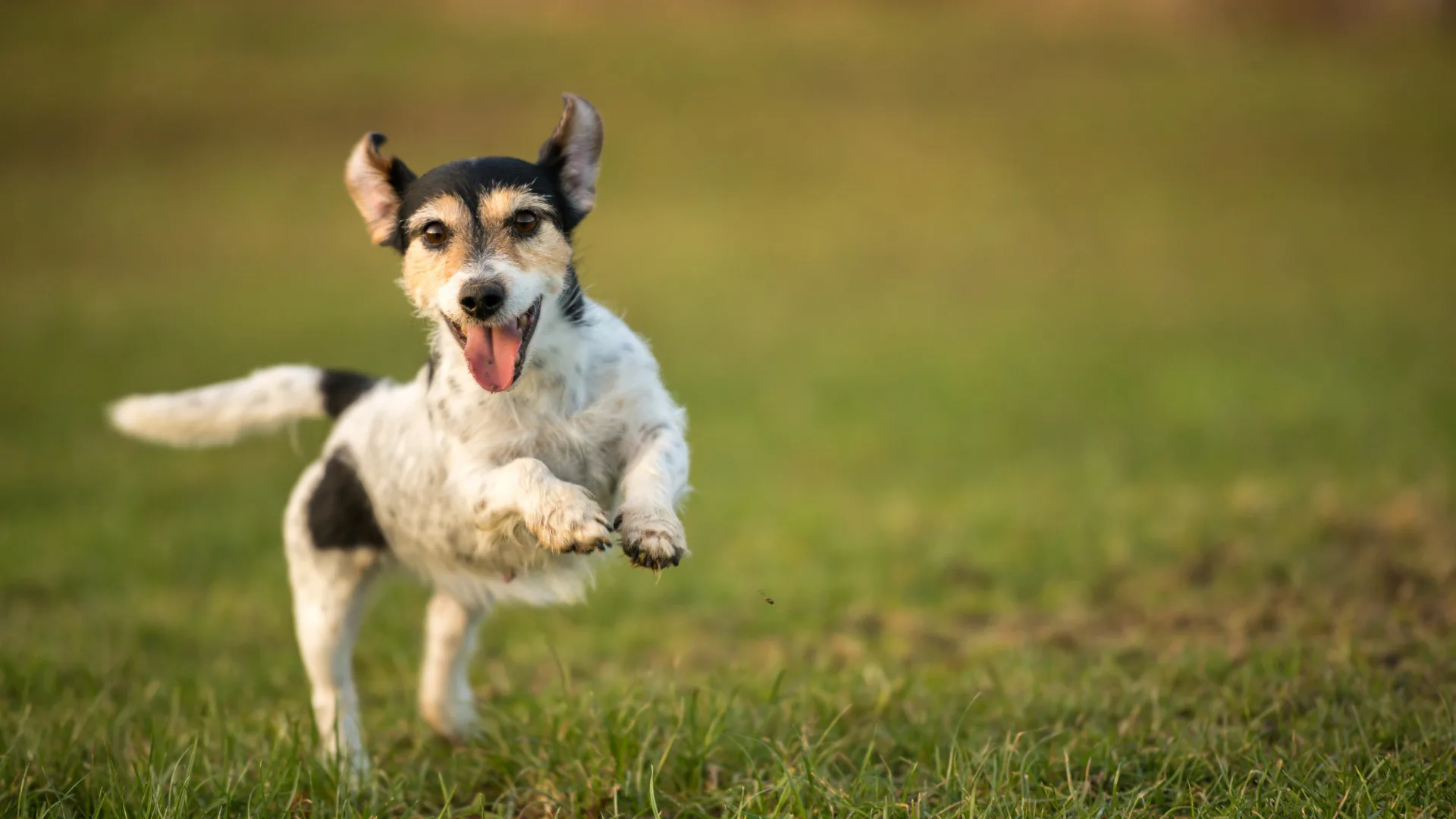
Many dog owners feel they understand their dog well. However, dogs communicate very differently from humans, and most of their communication happens through body language.
Understanding these signals can help prevent misunderstandings and improve the relationship between dogs and people.
Research shows that most dog bites happen in familiar environments and often involve people the dog already knows. In many cases, the dog has given warning signals beforehand, but these signals were not recognised.
Learning to read dog body language can help keep both people and dogs safe.
Dogs have lived alongside humans for thousands of years, but they still retain many of their natural instincts such as guarding, herding and hunting.
When a dog feels uncomfortable or threatened, they usually try to communicate this through body language first. Biting is generally a last resort, used when the dog feels they have no other option to make a scary situation stop.
Before this point, dogs often show a range of subtle signals to try to avoid conflict.
Dogs often give subtle signals when they feel worried or uncomfortable.
Common early signs include:
These behaviours are sometimes called calming signals. They are ways dogs try to reduce tension and communicate that they want space.
If you notice these signs, it’s best to give the dog some room.
Body language should always be interpreted alongside the situation your dog is in.
For example, a dog shaking their body after a swim is simply drying off. However, dogs may also perform a full body shake after a stressful event, such as meeting an unfamiliar dog or hearing a loud noise. This behaviour can help them release tension.
Looking at both the behaviour and the environment helps you understand what your dog may be feeling.

When dogs feel worried or uneasy, their body language changes.
Signs to watch out for include:
Some dogs may also roll onto their back but remain stiff rather than relaxed. This can be a sign of appeasement, meaning the dog is trying to show they are not a threat.
If you see these signs, it’s best to give the dog space.
If a dog feels extremely threatened or frightened, their body language may escalate.
Possible warning signs include:
These behaviours are serious warnings and ignoring them can increase the risk of a bite.
If a dog begins showing these signals, stop interacting and give them space immediately.
Dogs may bite for several reasons, including fear or anxiety, pain or illness, feeling trapped or unable to escape or lack of socialisation with people or situations.
Dogs that have not been gradually introduced to everyday experiences may find normal situations frightening, which can lead to defensive behaviour.
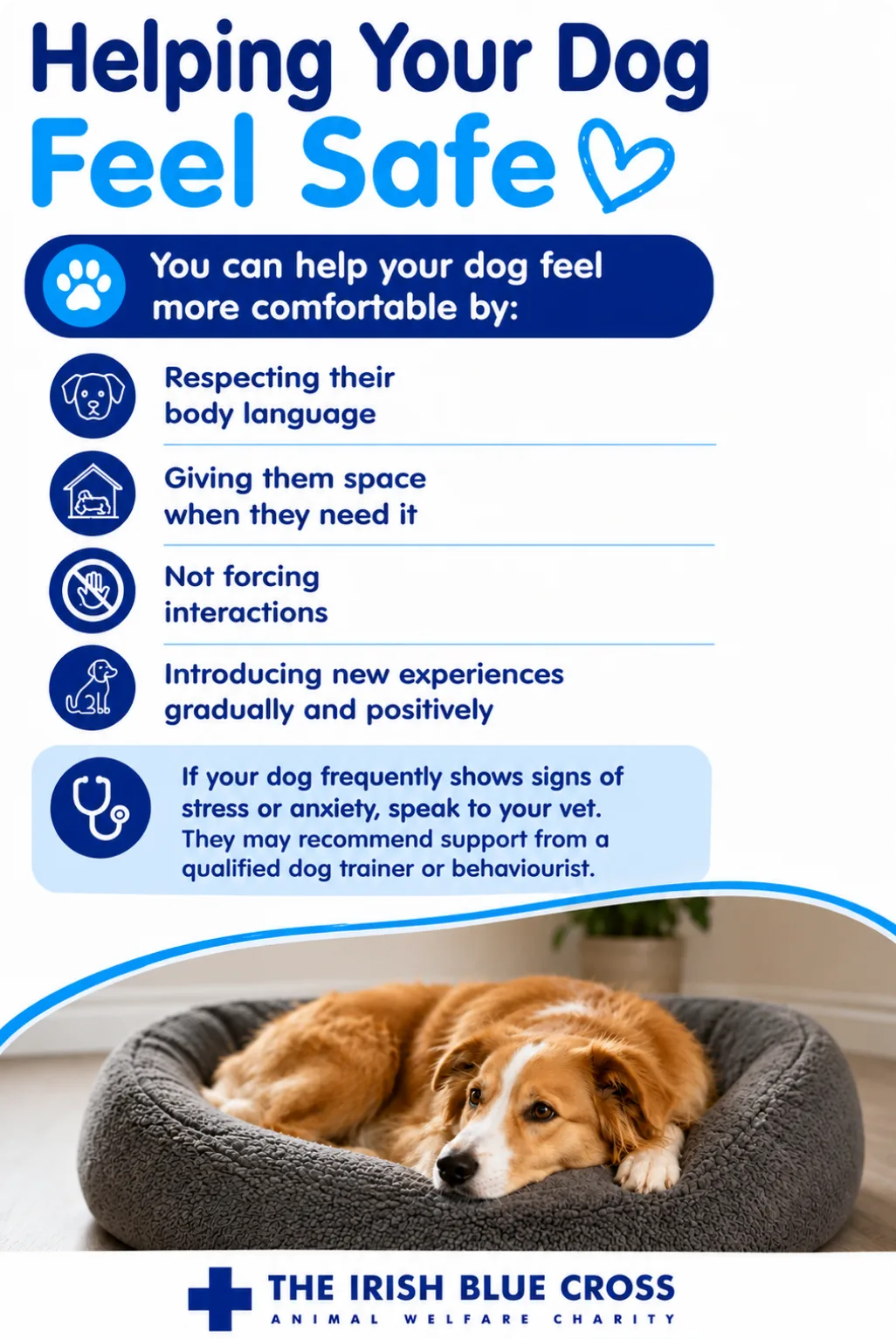
Dogs communicate clearly through their posture, facial expressions and movement. By learning to recognise these signals, we can respond appropriately and avoid situations that may cause stress.
Understanding what your dog is trying to say helps build trust — and leads to a safer, happier relationship for both of you.