
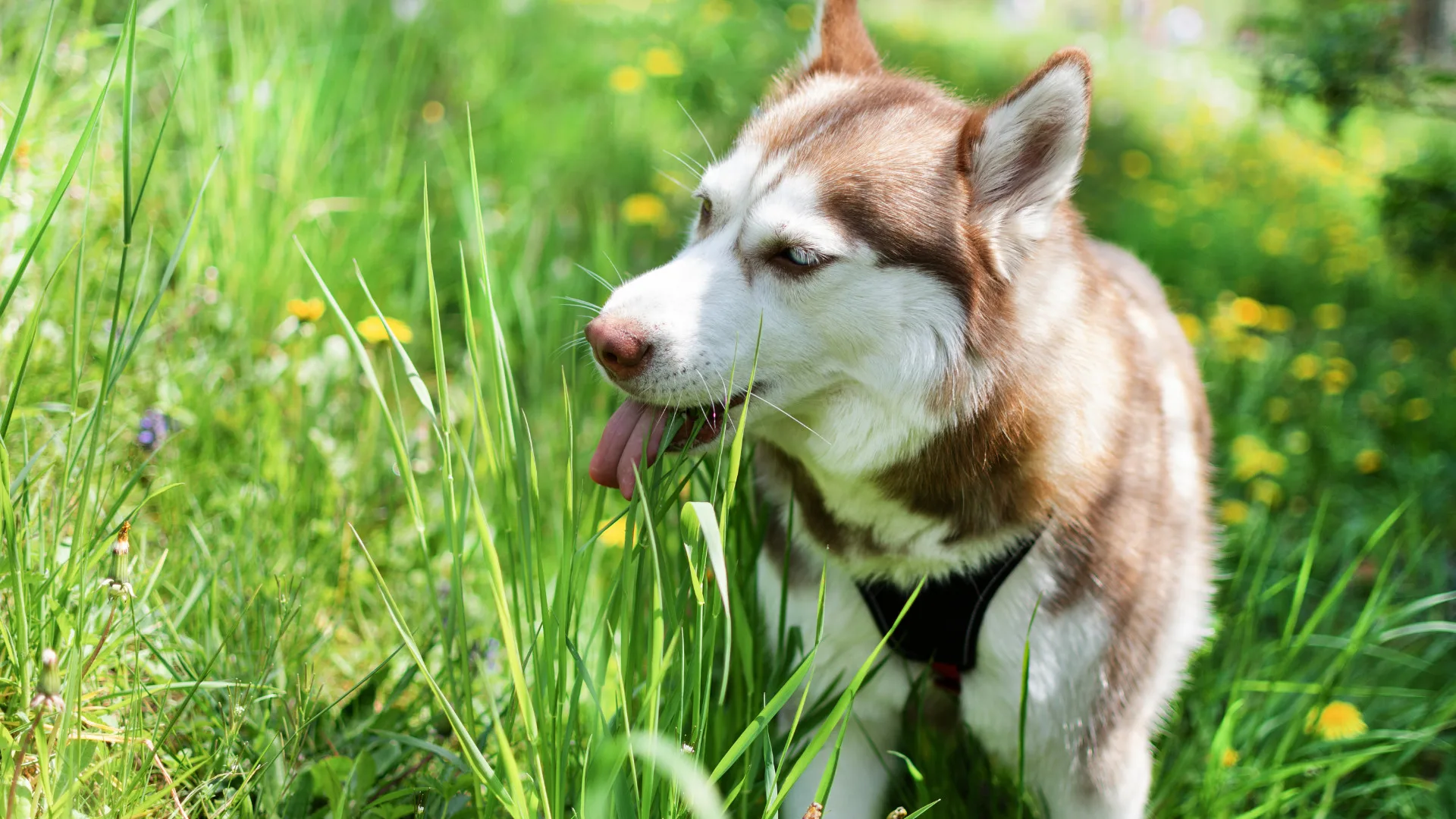
Many dog owners worry that if their pet is eating grass, it must mean they are unwell. Some believe dogs eat grass to make themselves vomit or because they are lacking certain nutrients.
However, research has not proven these common beliefs. In most cases, grass eating is normal behaviour and nothing to worry about.
More often than not, dogs eat grass simply because they enjoy it, especially in spring and summer when it is fresh, green and tender.
Yes. Grass eating is very common in dogs and is not usually linked to illness or dietary deficiency.
There is generally no cause for concern if:
Sometimes grass eating can be linked to boredom or a lack of stimulation.
If your dog frequently seeks out grass to chew, consider whether they are getting enough:
Increasing enrichment both indoors and outdoors can reduce scavenging behaviours.
Always ensure the grass your dog is accessing has not been sprayed with herbicides, pesticides or fertilisers, as these can be harmful if ingested.
Slugs and snails, often found in grass, can carry lungworm. Dogs can become infected by ingesting them or their slime.
Standard worming products bought in pet shops do not usually protect against lungworm so, speak to your vet about appropriate preventative treatment for your dog.
In summer months, grass seeds can become lodged in:
This can cause pain, swelling and infection, so check your dog carefully after walks in long grass.
While grass eating is usually harmless, you should seek veterinary advice if:
If your dog only wants to eat grass and not their regular diet, this is not normal and should be assessed.
For most dogs, eating grass is simply a normal behaviour, often because they like the taste or texture. It is rarely a sign of illness.
Monitor the habit, ensure your dog is protected against lungworm, provide plenty of enrichment, and contact your vet if anything about your dog’s behaviour or health concerns you.
If in doubt, always seek professional veterinary advice for peace of mind.