
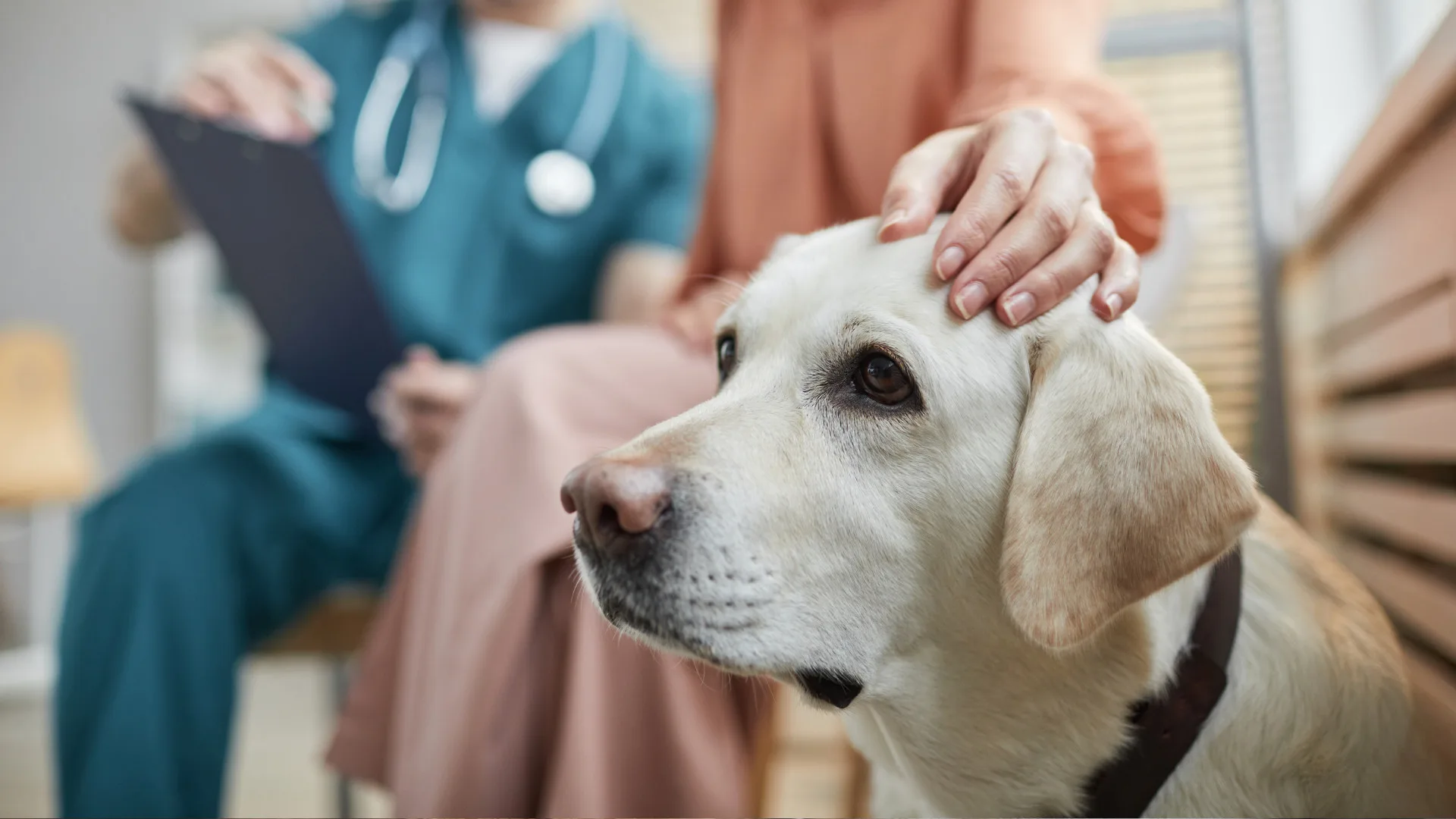
Choosing to say goodbye to your dog is one of the most difficult decisions you will ever make. It is never an easy choice, but when a dog’s quality of life has declined and they can no longer be kept comfortable, euthanasia can be the final act of kindness we give them.
Knowing what will happen can make an emotional day feel a little less overwhelming. Every veterinary practice will do everything possible to ensure that both you and your dog are treated with compassion, dignity and respect throughout the appointment.
On this page
Where will euthanasia take place?
What happens before the procedure?
What happens during euthanasia?
What might I notice afterwards?
Should I stay with my dog?
Can family members or other pets be there?
What happens after my dog dies?
Most euthanasia appointments take place at your veterinary practice, in a quiet consultation room, where you can spend time with your dog before and afterwards.
In some circumstances, your vet may be able to visit your home if you feel your dog would be more comfortable in familiar surroundings. Home visits are not available through every practice, so it’s worth discussing this option with your veterinary team in advance if it’s something you would prefer.
Sometimes a pet is already in the vet’s receiving treatment or is under a general anaesthetic. If recovery would only prolong suffering, your vet may recommend euthanasia while they remain asleep. Although this can be an incredibly difficult decision, it can also be the gentlest option for your dog. Your vet will talk you through the situation and answer any questions you may have.
Before euthanasia takes place, your vet will explain the process, answer any questions and ask you to sign a consent form.
Some pets become anxious when visiting the veterinary practice, so if needed, your vet may recommend a light sedative beforehand to help them feel calmer and more relaxed.
Many families find it helpful to discuss practical matters, such as cremation or burial arrangements, before the appointment. This allows you to focus entirely on spending precious final moments with your pet.
Take as much time as you need to say goodbye. There is no right or wrong way to do this.
Euthanasia is a peaceful medical procedure carried out using an overdose of anaesthetic medication.
Usually, a veterinary nurse will gently hold your dog while a small area of fur is clipped from one of their front legs, so the vet can access a vein. Sometimes a small intravenous catheter may be placed first, to make the injection smoother. In certain situations, the medication may be given in another suitable location if accessing a vein is difficult.
Your dog may feel a brief scratch as the needle is placed, but the medication itself is not painful.
As the anaesthetic begins to work, your dog may briefly seem sleepy or slightly unsteady. Some dogs may make a small vocalisation as they become drowsy, but this is a normal response rather than a sign of pain.
Within a matter of seconds, they become unconscious. Once they are asleep, they are no longer aware of what is happening or able to feel pain or distress.
Their breathing gradually slows before their heart gently stops beating. Your vet will listen carefully with a stethoscope to confirm that they have passed away peacefully.
For dogs with poor circulation or severe illness, the medication may take a little longer to work, but throughout the process your pet remains unconscious and comfortable.
Although your pet has passed away peacefully, there are a few natural physical changes that can happen afterwards. Knowing about these in advance can make them less unexpected.
You may notice:
These are normal reflexes that can occur after death. They are not signs that your pet is awake, aware or in pain.
Your veterinary team will explain anything you see and will ensure your pet is treated with dignity.

Only you can decide what feels right for you and your dog.
Many owners find comfort in being with their dog until the very end, talking softly, petting them or simply sitting quietly beside them. For many pets, having a familiar voice and gentle touch can be reassuring.
Others feel that witnessing the procedure would simply be too upsetting, and that is equally understandable.
Some people choose to stay while their dog falls asleep and then step outside before the final moments. Others prefer to say goodbye beforehand and spend time with their dog afterwards.
There is no right or wrong decision, and you should never feel guilty whichever choice you make. Your veterinary team will care for your dog with kindness and compassion, whether you stay or not, so your dog won’t be alone.
Many people find comfort in having a trusted friend or family member with them for support.
Older children may also wish to say goodbye, while younger children may prefer to remember their dog in other ways. Every family is different, and you know your child best.
Some owners also choose to allow another household pet to see their companion after they have passed away. While we cannot know exactly how animals understand death, some families feel this helps provide closure for both pets.
Please speak with your veterinary team if this is something you are considering.
When you’re ready, your veterinary team will discuss the options available for your dog’s aftercare, which may include:
Your dog is cremated individually and their ashes are returned to you (via your vet, or in some cases you can collect the ashes directly from the crematorim), usually in a casket or urn of your choice. Some crematoria also offer memorial keepsakes.
Your dog is cremated at a crematorium, alongside other pets. In this case, the ashes are not returned to you.
Some families choose to bury their dog at home or in a dedicated pet cemetery.
If you are considering home burial, it’s important to discuss this with your vet and check with your local authority. Depending on where you live, there may be legal requirements or restrictions to consider, and home burial may not be suitable in every situation, particularly if your dog had certain infectious diseases or recent medical treatments.
If you are unsure what feels right, let your veterinary team know, as they may be able to keep your dog in their care for a short period while you take time to make your decision.
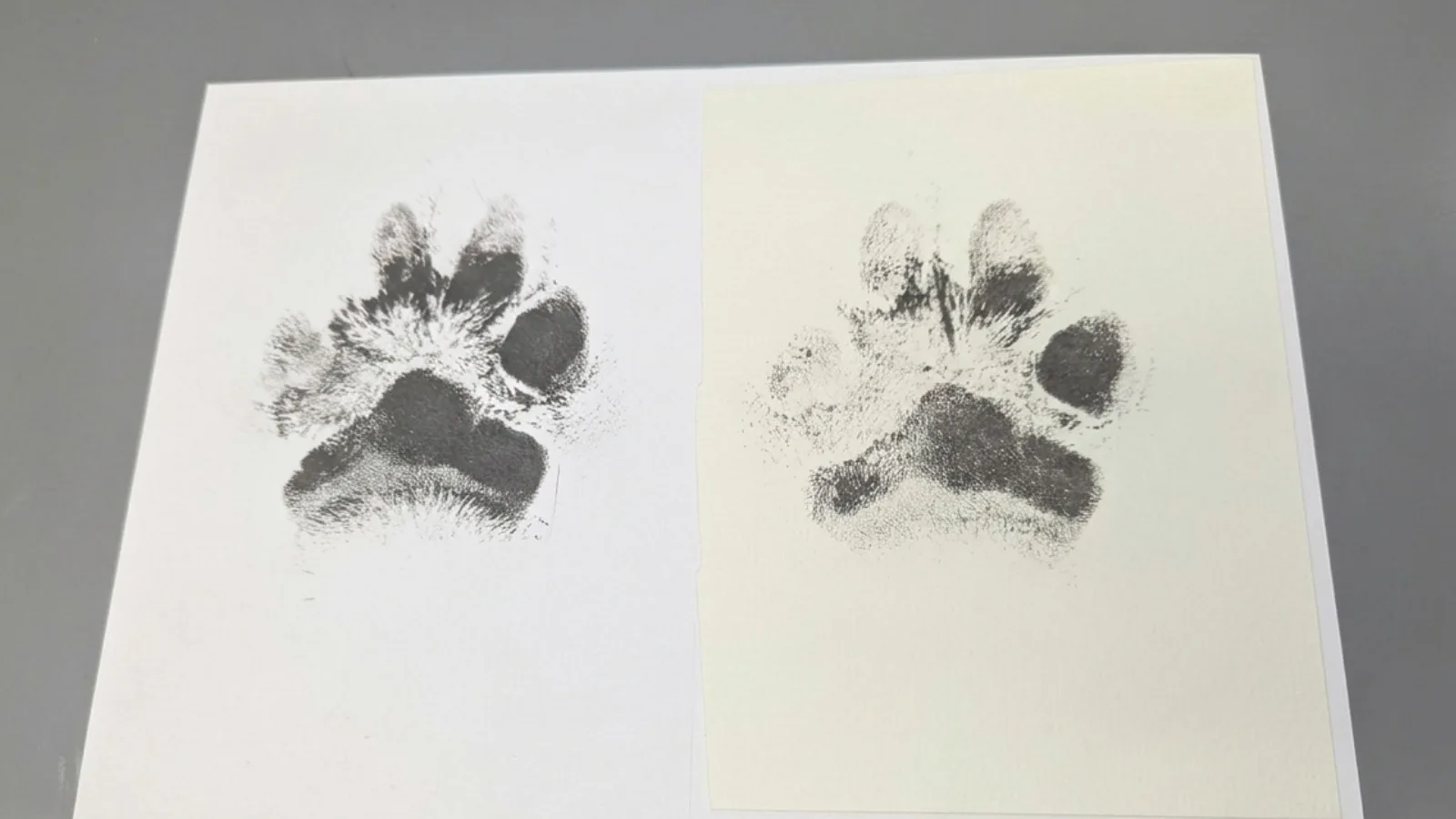
You may also wish to ask about keepsakes, such as a clipping of your dog’s fur or a paw print, as many owners take great comfort from these after their pet’s passing.
Some people are surprised by how emotionally overwhelming the appointment can feel, so if possible, please consider asking someone you trust to come with you. They can offer support, help remember any information discussed, and drive you home afterwards.
If you do attend alone, please take a few moments before leaving the practice. Sit quietly, have a drink of water and don’t feel rushed. If you’re very upset or finding it difficult to concentrate, it may be safer to wait until you feel ready before driving.
There is no shame in asking for help. Friends, family and your veterinary team understand how significant this day is and will want to support you however they can.
Saying goodbye is never easy, and every family experiences grief differently. There is no perfect way to navigate such a difficult day.
What matters most is that your decision has been made out of love and compassion for your pet.
By choosing to prevent unnecessary suffering, you are giving them the peaceful and dignified goodbye they deserve.
Be gentle with yourself in the days that follow. Grief is the price we pay for loving so deeply, and you do not have to face it alone.