
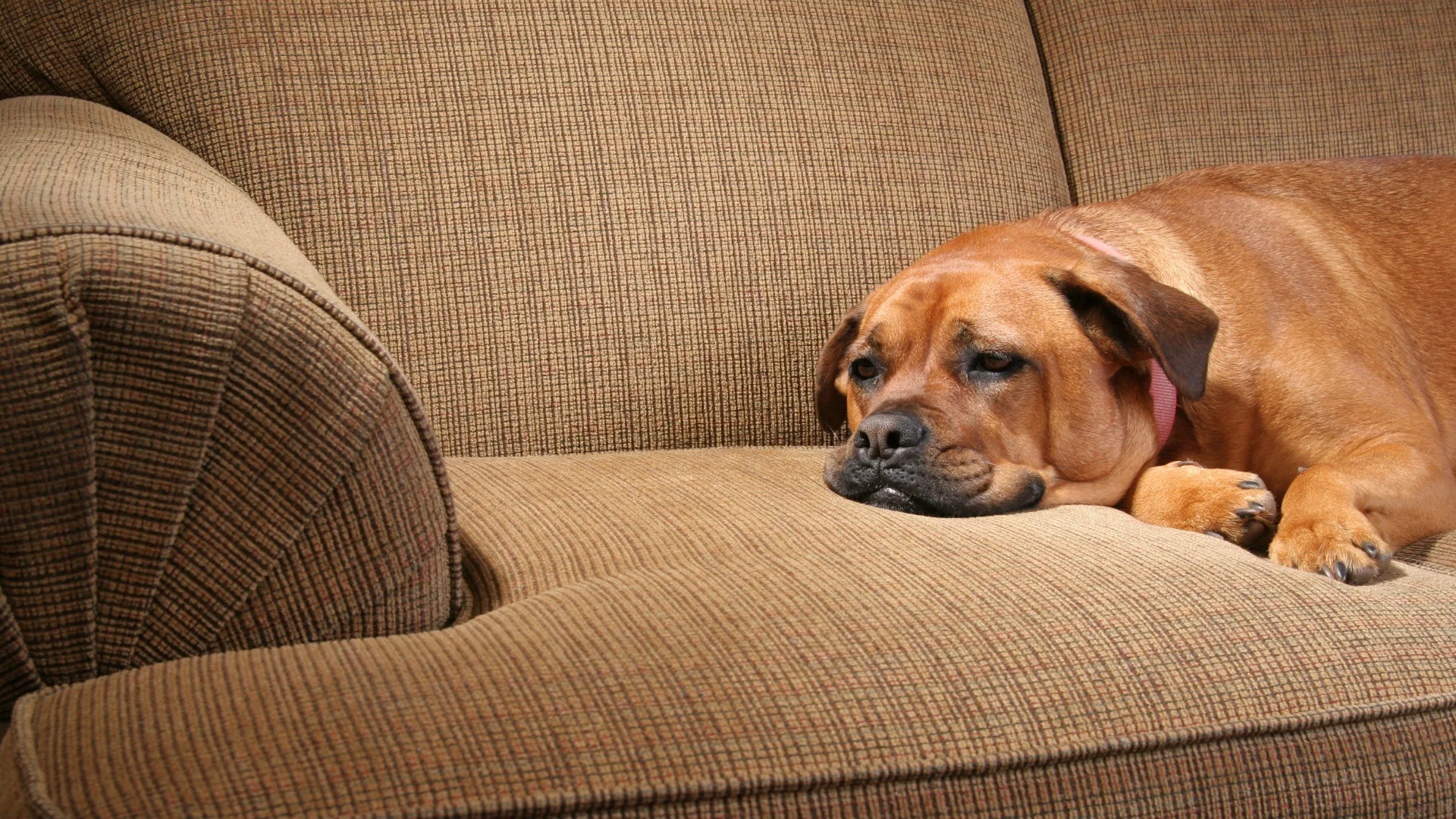
Animals can form strong social relationships with one another. Research in both dogs and cats has found changes in behaviour following the death of another animal in the household, although we cannot know exactly how an animal experiences bereavement or whether it is identical to human grief. [1,2]
Following the death of an animal companion, some pets may:
Other pets may show very little obvious change. There is no particular response that an animal ‘should’ have.

Try to keep everyday life as familiar and predictable as possible. Maintaining usual mealtimes, walks, bedtime routines and opportunities for rest can provide reassurance when something significant within the household has changed.
Allow your pet to choose how much interaction they want. Some animals seek increased physical contact; others may prefer more space. Gentle exercise, play, sniffing, food enrichment and other activities your pet normally enjoys can provide positive experiences without putting pressure on them.
It can be tempting to introduce another pet immediately because the remaining animal seems lonely. However, a new animal cannot simply replace an established social relationship. Introducing a new pet is a major change in its own right, so it is usually better to make this decision based on what is right for the family and the individual animal rather than as an immediate response to bereavement.
Behavioural changes should not automatically be assumed to be caused by grief. Loss of appetite, changes in sleep, withdrawal, restlessness and reduced activity can also occur with pain or physical illness. If your pet seems unwell, stops eating, or you are worried about a significant or persistent change in their behaviour, contact your veterinary team.
Written by Dr. Claire Corridan, BVMS, PhD, MRCVS