
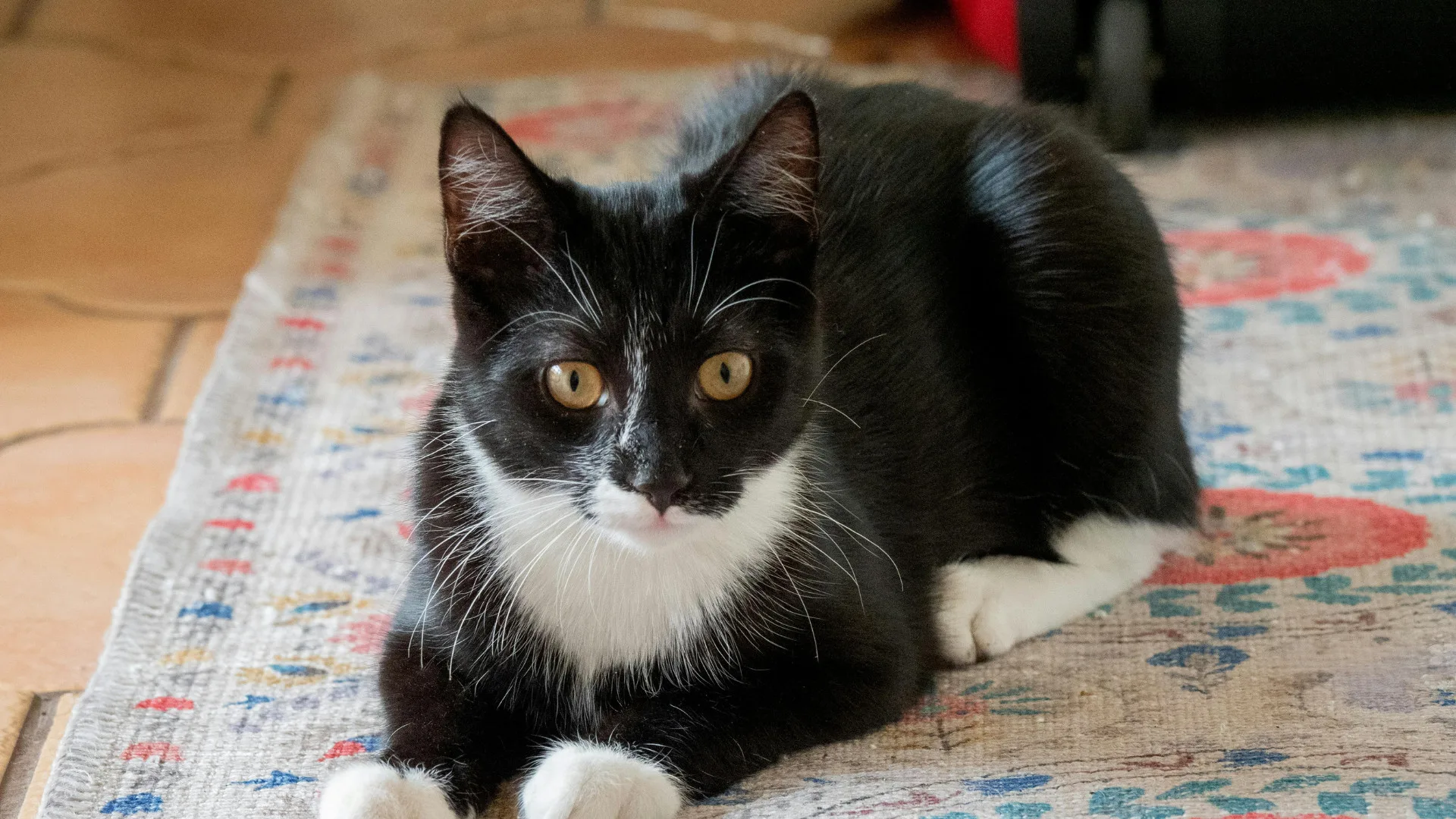
Cats are usually very clean pets. Most will toilet outside or use a litter tray without any difficulty. So, if you start finding urine or faeces elsewhere in the house, it’s a sign that something isn’t right.
A one-off accident can happen if your cat was unwell, frightened, or accidentally shut into a room. But it’s important to work out the cause to make sure your cat is healthy and feeling secure.
It’s also important not to tell your cat off. Punishment will only make them feel more threatened and anxious, and they won’t connect being scolded with something they did earlier. By identifying the cause, you can take practical steps to resolve the problem.
If your cat has started toileting indoors, the first step should always be a visit to your vet to rule out any underlying health conditions.
Understanding the difference helps you address the problem correctly.
Both male and female cats can spray, and neutered cats may also do so.
There are several possible reasons.
Health issues are a common cause of inappropriate toileting.
These may include:
Conditions such as cystitis can make urination urgent and painful, so your cat may not make it outside or to the litter tray in time.
Older cats may struggle with stiff joints, bad weather, or using the cat flap. Some may drink and urinate more due to underlying illness. Others may become confused and forget previously learned habits.
If your cat, particularly an older cat, starts toileting indoors, always seek veterinary advice.
Cats feel vulnerable when toileting. If something has frightened them outdoors, such as another cat, a dog, or traffic, they may choose to go indoors where they feel safer.
If another cat is entering your garden or coming through the cat flap, this can be particularly stressful.
You can help by:
If your cat normally uses a litter tray but has stopped, consider the following:
The tray is too dirty
Cats are fastidious. Remove waste daily and clean trays regularly. In multi-cat households, provide one tray per cat, plus one extra.
The tray is too strongly scented
Scented litter or heavily perfumed disinfectants can deter cats. Use unscented litter and feline-safe cleaning products. Avoid disinfectants that turn cloudy in water, as these often contain phenols, which are toxic to cats.
The litter type has changed
Many cats prefer fine-grain litter, similar to sand. If changing litter, introduce the new type gradually over a week.
The location isn’t suitable
Cats need privacy. A tray placed in a busy area, near food, or where a dog or child might disturb them can cause avoidance. Place trays in a quiet, accessible location.
The tray design
Some cats feel safer using a covered tray. If using an open tray, consider trying one with a lid.
A previous bad experience
If your cat was frightened, cornered, medicated, or in pain while using the tray, they may associate it with that negative experience. Moving the tray to a calmer area may help.

Unneutered males are particularly likely to spray as part of territorial and mating behaviour. Neutering is one of the most effective ways to reduce spraying and has additional health and welfare benefits.
Redecorating, new carpets or furniture, and building work can remove your cat’s familiar scent markings and replace them with strong new smells. This can lead to spraying.
Keep your cat out of newly decorated rooms until strong smells have faded. You can also help restore familiar scent by gently rubbing a soft cloth around your cat’s face and dabbing it onto furniture or door frames in the affected area.
Synthetic pheromone products may also help some cats feel more secure.
Cats may spray when their owner goes on holiday and a stranger takes over care. They often mark areas that smell strongly of their owner, such as beds. Closing bedroom doors while you are away may help.
Cats are not naturally social in the way dogs are, and conflict between cats in the same home is common.
To reduce tension:
In some cases where stress cannot be resolved, you may need to consider rehoming one of the cats if their welfare is being compromised.
Cats are more likely to return to areas where they can still detect their scent, so thorough cleaning is essential.
Avoid ammonia-based cleaners, as these can smell like urine and encourage remarking.
If your cat begins toileting or spraying indoors, contact your vet for advice. Health problems are common causes, and early treatment can prevent complications.
If medical causes are ruled out and the problem persists, a qualified animal behaviourist can help identify triggers and develop a tailored plan.
With patience, understanding and the right support, most cases can be improved.