
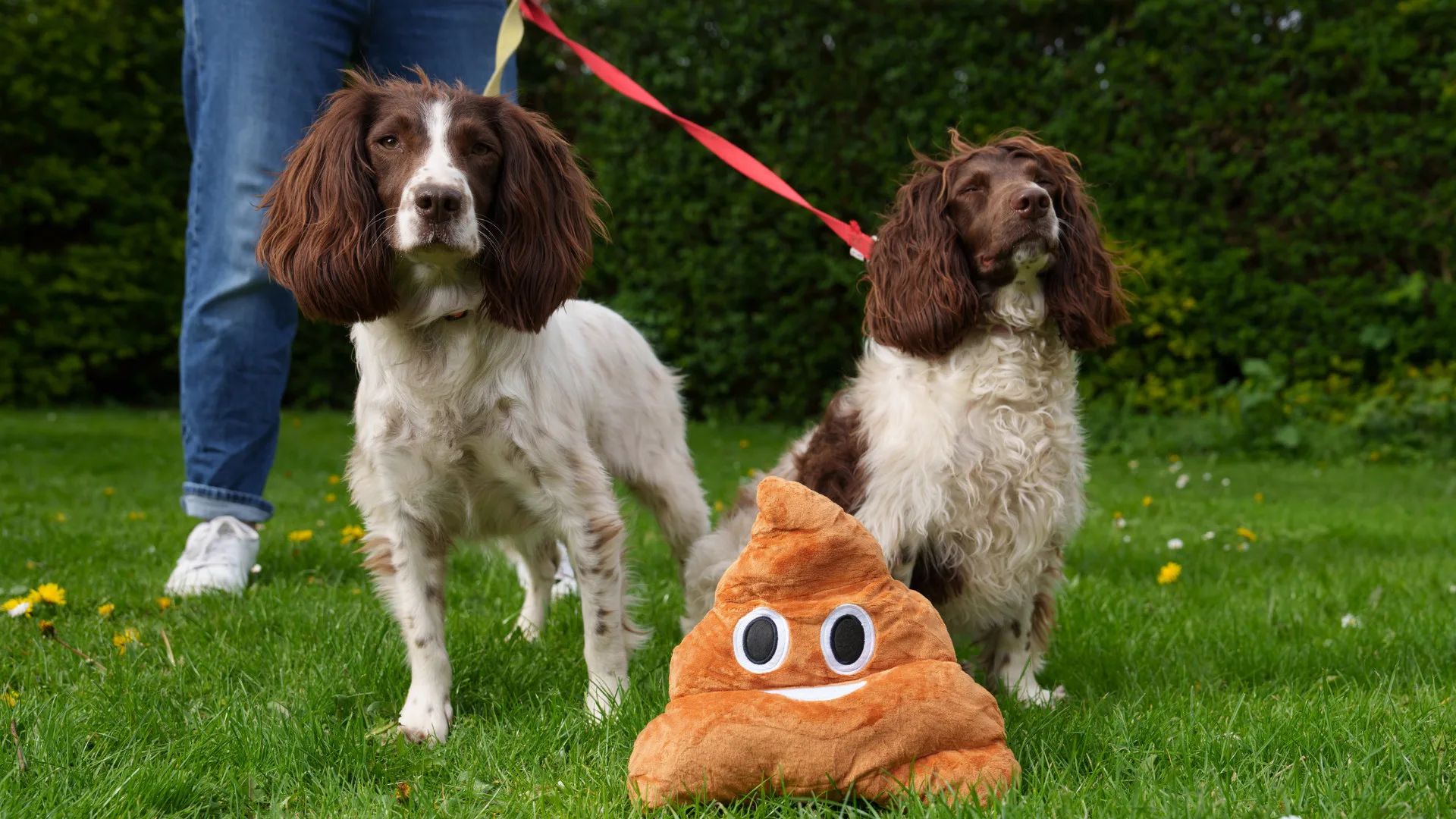
Seeing your dog eat poo can be unpleasant and worrying, but you’re certainly not alone. Known as coprophagia, it is surprisingly common in dogs and, in most cases, isn’t linked to illness or a poor diet.
While it’s best to discourage it where possible, understanding why dogs do it can make the problem much easier to manage.
A popular myth is that dogs eat poo because they’re missing nutrients. Dogs fed a complete, balanced diet are unlikely to have deficiencies. More often, dogs eat poo simply because they find it appealing.
Dogs experience the world largely through smell, and their excellent noses can detect food remnants or nutrients in faeces that we would rather not think about.
Some common reasons include:
Natural scavenging behaviour – dogs are opportunistic by nature and may view poo as a potential food source
Hunger – if your dog isn’t getting enough food, is exercising more than usual, or is on medication that makes them hungry, they may be more tempted to eat poo
Boredom or stress – can cause dogs to eat poo
Attention-seeking – some dogs learn that eating poo makes their owner rush over, which can accidentally reinforce the behaviour
If you’re unsure whether your dog is being fed the right amount, your vet can offer guidance.
In some situations, yes. Mother dogs naturally eat their puppies’ poo to keep the nest clean, and this behaviour should never be discouraged. Puppies may also explore poo out of curiosity, but most grow out of this as they mature.
In adult dogs, eating their own or other dogs’ poo is less common but still not unusual. Occasionally, dogs learn that eating poo quickly, especially on walks, gets a strong reaction from their owner, which can unintentionally encourage the habit.
Dogs with excessive hunger (polyphagia) due to certain medication may also be more likely to eat poo.
Many dogs are particularly interested in poo from other species, such as cats, rabbits, horses, cows or foxes. Cat poo, for example, is high in protein and fat, which makes it especially tempting. Herbivore droppings may contain undigested plant material that dogs perceive as food.
This behaviour is usually normal, but it’s worth keeping an eye on. Eating poo from other animals becomes more concerning if it starts suddenly, increases significantly, or coincides with other signs of illness.
While many dogs eat poo without obvious harm, it’s still best to discourage the habit. Eating faeces can upset your dog’s stomach and, in some cases, expose them to parasites or bacteria. Livestock and horse manure may also contain traces of worming medicines that can be harmful to dogs.
The most effective approach is to manage the environment, reduce temptation, and reward better choices. Please don’t punish your dog as this will not only damage your relationship with them but may lead to fear based behavioural issues in the future.
At home, try to:
Out on walks, it helps to:
Try not to shout or make a fuss if your dog eats poo. Strong reactions can sometimes make the behaviour more exciting or reinforce it.
If your dog has suddenly started eating poo, or if the behaviour feels excessive or out of character, it’s a good idea to speak to your vet. This is especially important if you notice other symptoms such as weight loss, vomiting, diarrhoea, changes in appetite or coat condition.
Your vet can rule out medical causes and offer feeding or management advice. Once health concerns have been excluded, a qualified dog trainer or behaviourist can help you put a training plan in place.