
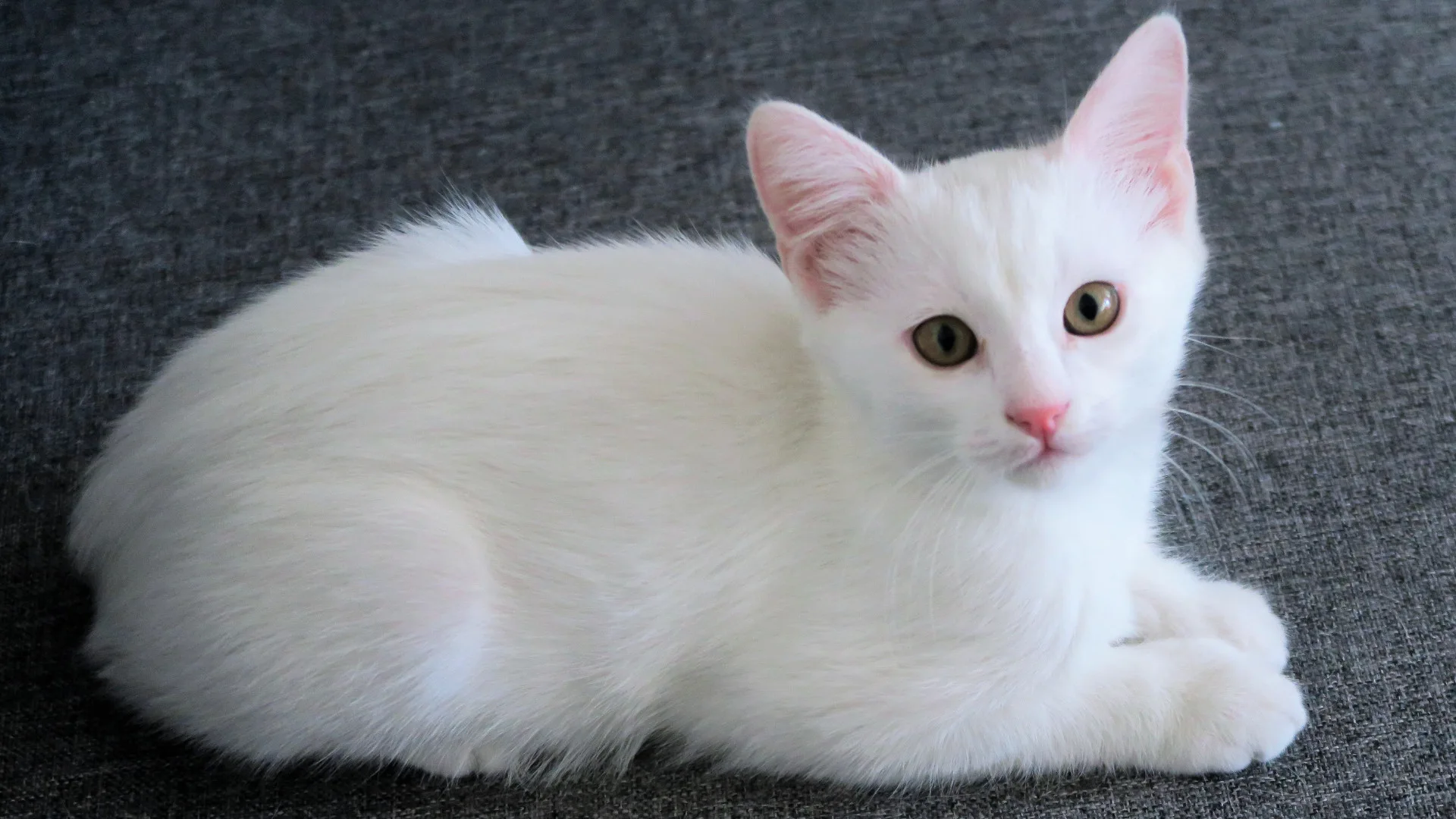
Skin cancer occurs when cells within the skin begin to grow in an uncontrolled way, forming a mass or lesion. Cats can develop several different types of skin cancer, some of which are linked to sun exposure, while others arise for reasons that are not fully understood.
Skin cancers can vary widely in how they look, how quickly they grow, and how serious they are. Regularly checking your cat’s skin and seeking veterinary advice early gives the best chance of successful treatment.
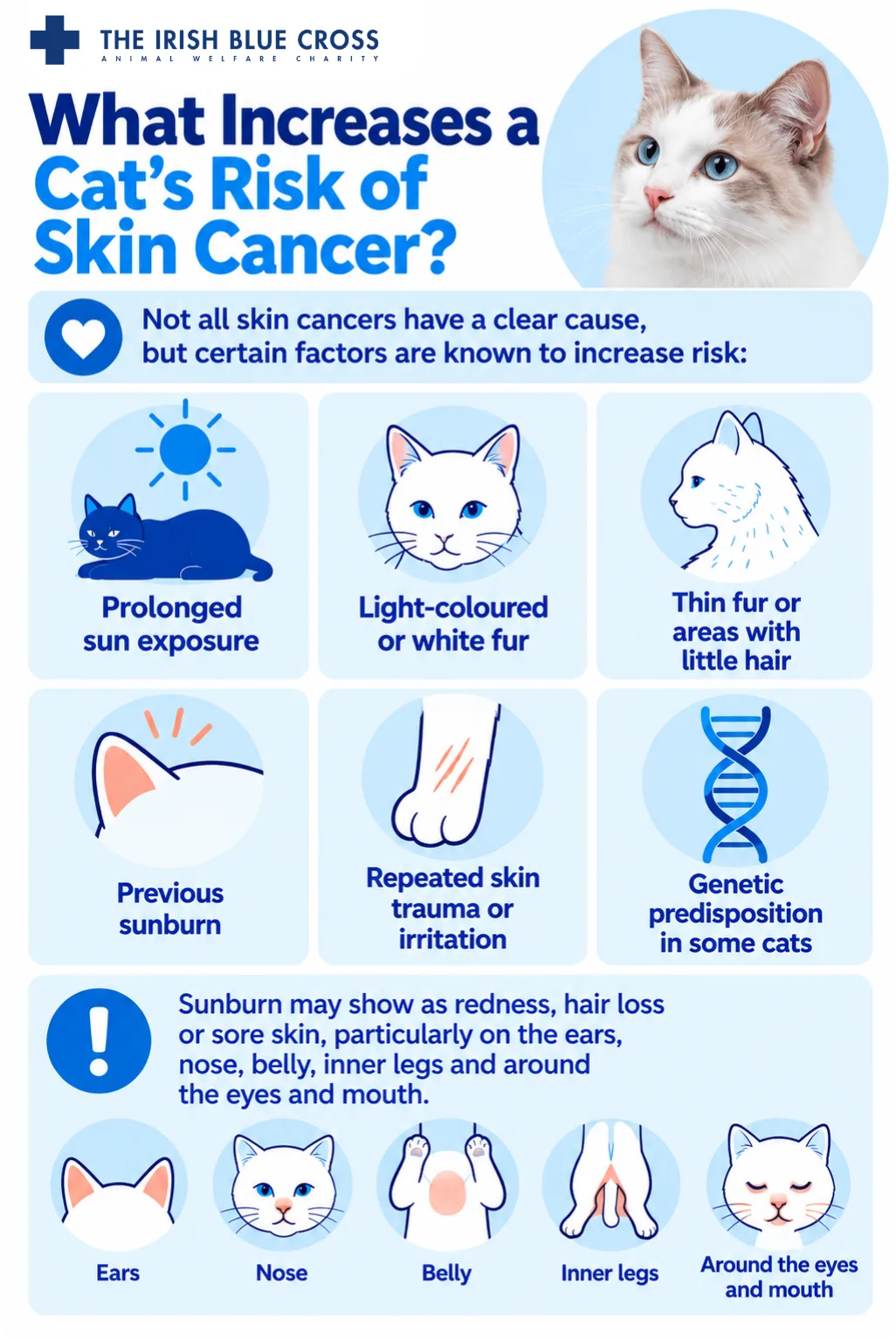
Reducing UV exposure is one of the most effective ways to lower the risk of sun-related skin cancer.
If a veterinary sunscreen is not available, a sunscreen suitable for babies may be used only if advised by your vet. It should be fragrance-free, non-toxic if licked, and have an SPF of at least 30.
Many adult human sunscreens contain zinc or other ingredients that are toxic to cats. Never use standard adult sunscreen on your cat.
Skin cancer can look very different from one cat to another. Signs to watch out for include:
Lesions may be pink, red, black, brown or grey. Growths on the nose may cause nosebleeds, discharge or breathing difficulties.
Most skin lumps in cats are not cancerous, but any new or changing lesion should be checked by a vet as soon as possible.
A visual examination alone is rarely enough to identify the type of skin tumour, so your vet may recommend:
In some cases, lymph node samples or imaging such as X-rays, ultrasound or CT scans may be advised to check whether the cancer has spread.
Treatment depends on the type of cancer, its size and location, whether it has spread, and your cat’s overall health.
Removing the tumour is often the preferred option if it can be done safely. For Squamous Cell Carcinoma affecting the ear tips, removal of part or all of the ear may be recommended. While this can be difficult to consider, cats usually adapt very well, and their hearing is not affected.
Radiotherapy or chemotherapy may be recommended in certain cases, particularly if surgery is not possible or if the cancer is aggressive. These treatments usually require referral to a specialist.
Pain relief and anti-inflammatory medication may be used to keep your cat comfortable, especially if curative treatment is not an option.
The outlook for cats with skin cancer varies greatly. When cancer is detected early and fully removed, many cats go on to live normal, comfortable lives. In other cases, tumours may return or spread, making management more challenging.
If the cancer cannot be cured, your vet may focus on palliative care, keeping your cat comfortable and maintaining their quality of life for as long as possible. If your cat’s wellbeing declines, your veterinary team will help you make kind and compassionate decisions.
Contact your vet promptly if you notice:
You know your cat best — if something doesn’t feel right, it’s always worth seeking advice.
Treatment for skin cancer can involve surgery, tests and follow-up care, which may become expensive.
If you’re able to, consider pet insurance while your cat is young and healthy to help with unexpected illness or injury. If your cat becomes unwell, talk openly with your vet about the options, the likely costs, and what feels manageable for you. Together, you can tailor a plan that’s right for your cat and your situation.