
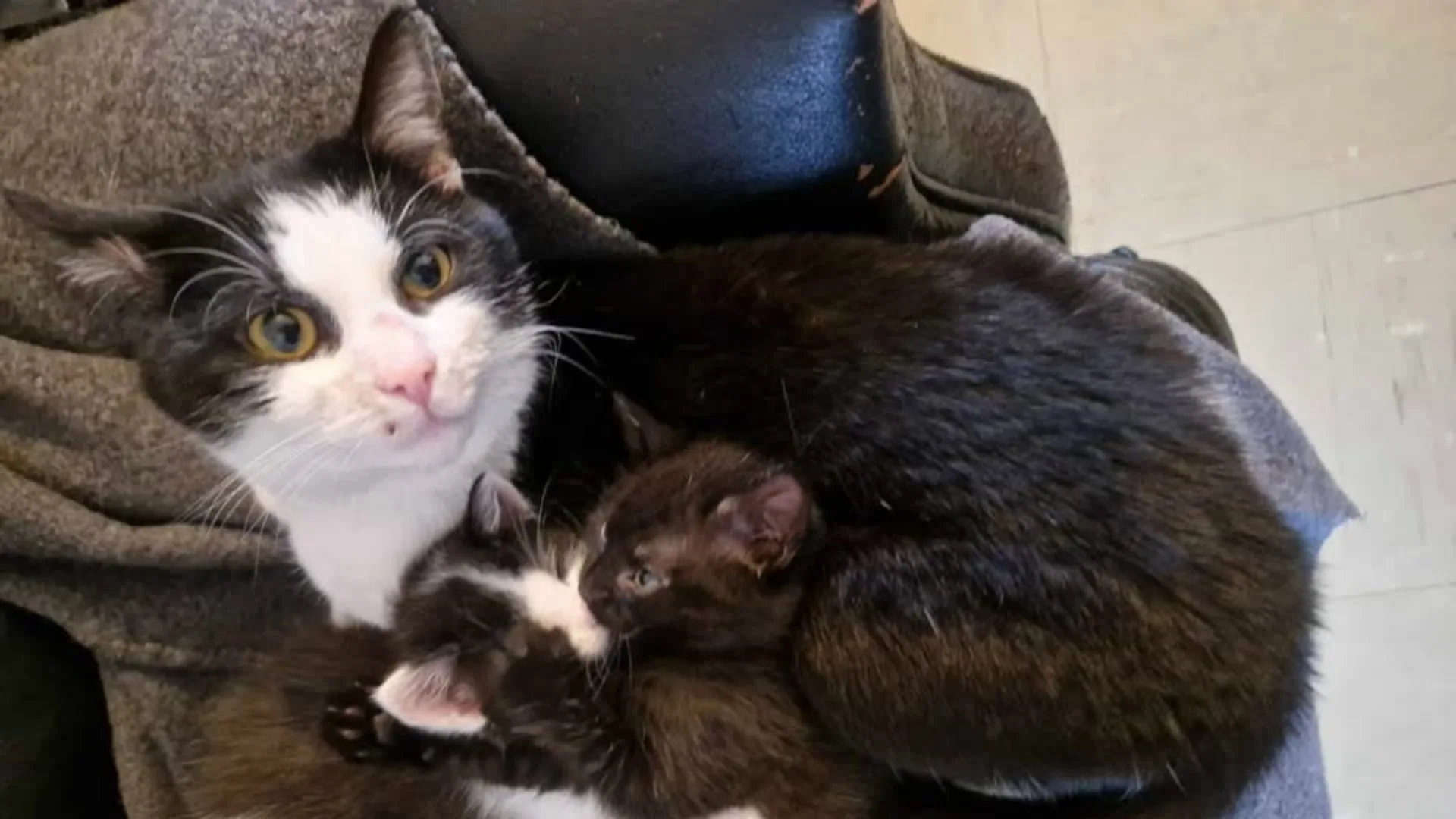
Breeding from a dog or cat is sometimes seen as a way to make extra money, but the reality is very different. Cutting corners on health checks, socialisation, veterinary care and proper housing may save money in the short term but it’s the animals who suffer the long-term consequences.
Before deciding to breed from your pet, it’s important to understand the welfare, legal and financial responsibilities involved.

Under the Animal Health and Welfare Act 2013, anyone responsible for an animal has a legal duty to protect its health and welfare.
This includes:
Breeding in a way that compromises an animal’s health, or fails to provide adequate care for a litter, may breach this legislation.
In addition, larger-scale dog breeders (those with six or more female dogs capable of breeding) in Ireland must comply with the Dog Breeding Establishments Act 2010.
Breeding is not risk-free.
Pregnancy and birth can cause:
Certain breeds are at higher risk of birthing difficulties, particularly flat-faced breeds or very small dogs.
There are also inherited diseases to consider. Some conditions, including heart problems, breathing disorders and joint disease, can be passed from parent to offspring. Responsible breeders carry out health screening to reduce this risk. Irresponsible breeders often do not.
Large-scale breeding operations, often referred to as puppy farms, can prioritise profit over welfare. Poor housing, inadequate socialisation and repeated breeding of the same animals can lead to lifelong behavioural and veterinary problems.
But irresponsible breeding isn’t limited to large facilities. Even small-scale or home breeding can cause harm if done without proper planning and support.
Responsible breeding is expensive and time-consuming.
It should include:
Many responsible breeders say they rarely make a profit, and some make a loss.
Neutering has significant health and welfare benefits.
| FEMALE PETS | MALE PETS |
|---|---|
| Prevent womb infections | Reduce roaming |
| Reduce risk of certain cancers | Reduce territorial behaviour |
| Prevent accidental pregnancies | Lower risk of some health problems |
Neutering also helps prevent unplanned litters, which contribute to the number of pets needing rescue homes.
There are already thousands of dogs and cats in Irish rescues waiting for homes.
Breeding ‘just once’ may seem harmless, but:
Breeding should never be done on impulse, for children to ‘experience birth’, or to make quick money.
Ask yourself:
Breeding carries serious responsibility, legally, financially and ethically.
If your pet is not part of a carefully planned, health-focused breeding programme, neutering is usually the kindest and safest option.
If you’re unsure, speak to your vet. Making an informed decision protects not just your own pet, but future generations too.