
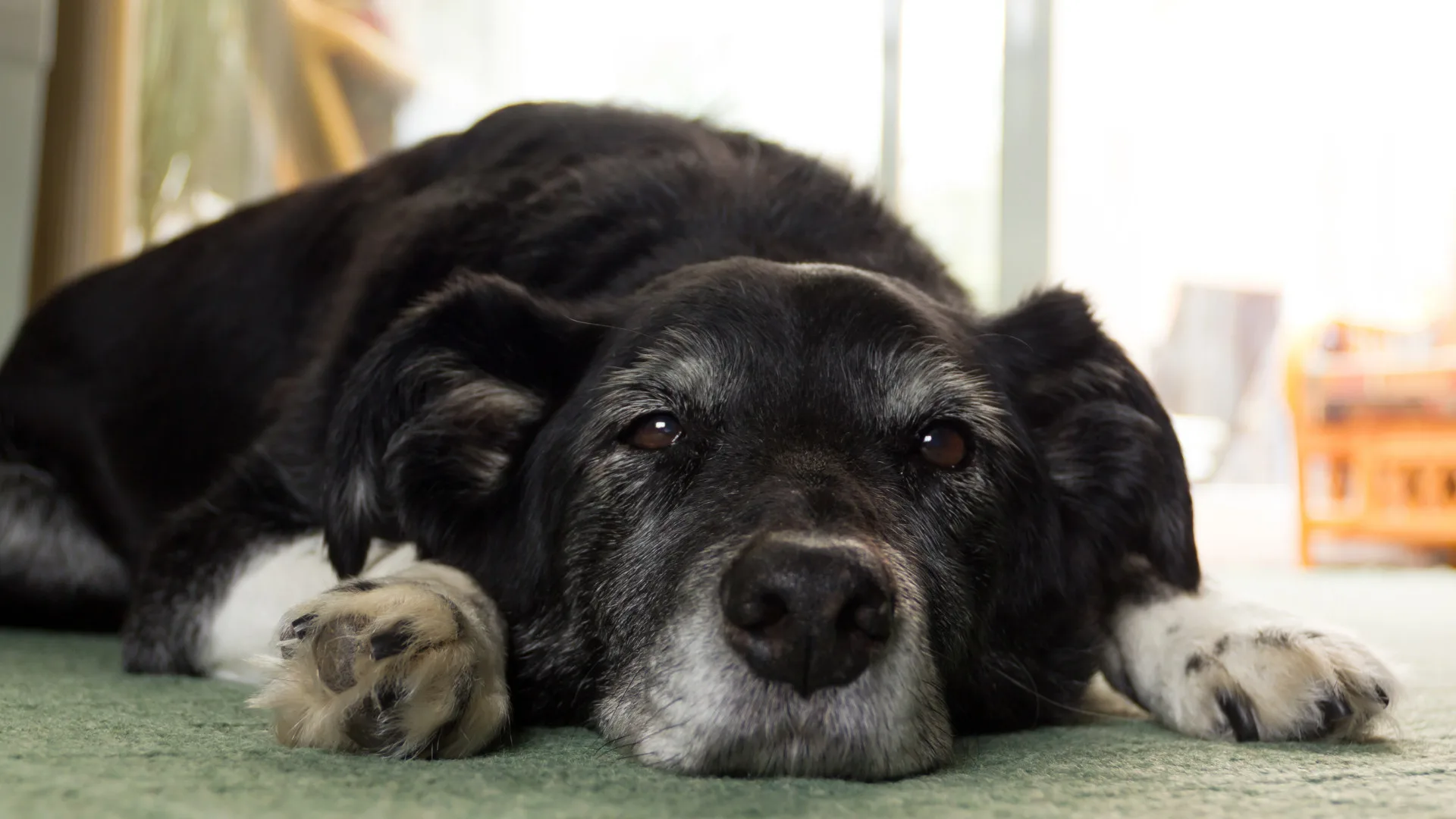
Haemorrhagic gastroenteritis (HGE) is a sudden and serious condition that causes vomiting and bloody diarrhoea. Dogs with HGE can become critically ill very quickly, sometimes within hours.
Although the exact cause is not fully understood, experts believe a harmful bacterial toxin damages the lining of the intestines, leading to bleeding and rapid fluid loss.
With prompt veterinary treatment, most dogs recover well within a few days. However, HGE is a medical emergency, so if you notice symptoms, please contact your vet immediately.
HGE is an acute inflammation of the stomach and intestines that results in bleeding into the gut. The condition leads to severe dehydration because large amounts of fluid are lost through vomiting and diarrhoea.
Small breed dogs appear to be more commonly affected, including Yorkshire Terriers, Miniature Schnauzers and Maltese. However, dogs of any size or breed can develop HGE.
The symptoms can closely resemble those of Canine parvovirus, which is why urgent veterinary assessment is essential.
Signs often appear suddenly. A dog that seemed perfectly well yesterday may become extremely unwell today.
Symptoms include:
As fluid loss is so rapid, dehydration and shock can develop quickly without treatment.
Dogs suspected of having HGE are usually admitted to a veterinary hospital for close monitoring and supportive care. Many will need to stay for several days.
Treatment commonly includes:
To protect other vulnerable patients, affected dogs may be nursed in isolation areas.
Most dogs show noticeable improvement within 24 hours of starting treatment.
Most dogs who are treated promptly for HGE make a full recovery within two to four days.
However, if left untreated, the condition can become life-threatening due to severe dehydration and circulatory collapse. Early intervention significantly improves the outcome.
Seek urgent veterinary attention if your dog:
Even if you are unsure, it is always safest to contact your vet for advice as rapid treatment can make a big difference.
Treatment for HGE often involves hospitalisation, intravenous fluids, laboratory testing and monitoring, which can result in significant expense.
If possible, arrange pet insurance when your dog is young and healthy to help cover unexpected illness. Always speak openly with your vet about treatment options, costs and what is manageable for you.
If you are worried about your dog’s symptoms, do not wait, please contact your local veterinary practice immediately. Quick action gives your dog the best possible chance of recovery.