
If your dog loves racing through long grass, it’s important to give them a quick check when you get home. Grass seeds may be tiny, but they can cause surprisingly serious problems if they become lodged in the wrong place.
Eyes, ears, paws and armpits are common trouble spots. As grass seeds are sharp and barbed, they can work their way under the skin. Once that happens, they can travel, causing pain, infection and inflammation.
If you think your dog may have a grass seed stuck anywhere, it’s best to contact your vet sooner rather than later.
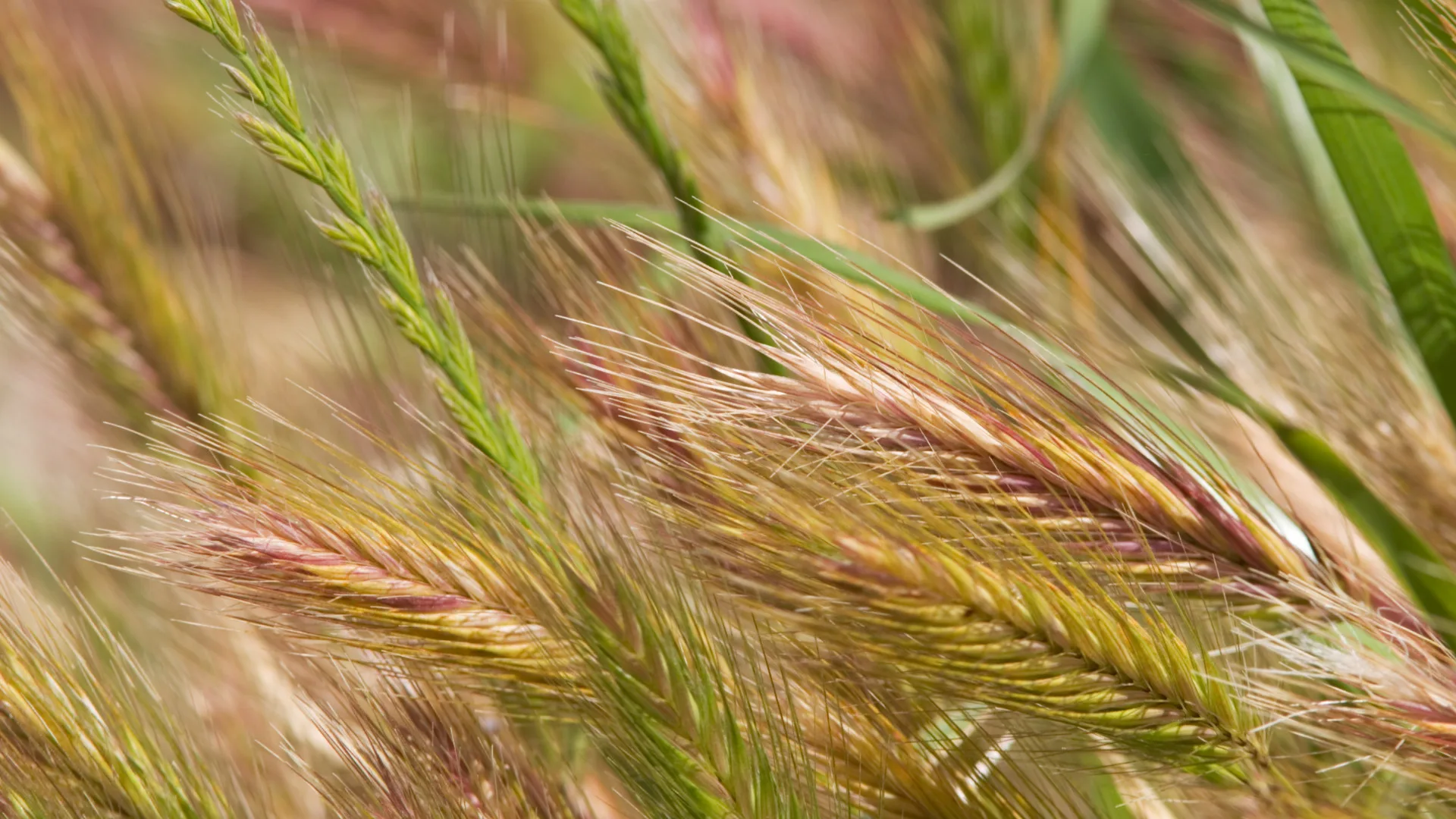
Grass seeds are small, pointed seeds found on the tops of long grass, particularly during the warmer months. They’re common in meadows, fields and woodland paths, and they easily cling to a dog’s coat as they brush past.
Because of their sharp shape, grass seeds don’t just fall out again. They can burrow through fur and pierce the skin, or become trapped in sensitive areas like the paws, ears, eyes or nose. In rare cases, once a seed gets under the skin, it can migrate deeper into the body, making treatment more complicated.
Any dog can be affected by grass seeds, but problems are more common in dogs who:
Checking your dog after walks is especially important during spring and summer.

If you suspect your dog has a grass seed stuck anywhere, even if you can’t see it, please contact your vet for advice. The earlier a grass seed is removed, the less likely it is to cause complications.
If a grass seed is caught in your dog’s fur and hasn’t pierced the skin, you can gently remove it at home. However, once a seed starts to burrow, veterinary treatment is usually needed.
Treatment depends on where the seed is:
Eyes: removal may require local anaesthetic or sedation, and the eye will be checked for damage such as ulcers
Ears: your vet may remove the seed using special equipment, sometimes under sedation, if the ear is very painful
Between the toes: seeds often slip under the skin and cause swelling, which may require surgery to locate and remove
Elsewhere in the body: if a migrating seed is suspected, referral for advanced imaging (such as a CT scan) and surgery may be recommended – please note this is rare.
Grass seeds don’t usually show up on X-rays, which is why prompt treatment is so important.
While it’s not always possible to avoid grass seeds completely, a few simple steps can help reduce the risk:
The cost of treating grass seed injuries varies widely. Simple cases, such as a seed in the ear or under an eyelid, are often relatively inexpensive. However, if a seed has migrated and requires surgery or advanced scans, costs can rise quickly.
If you’re able to, consider pet insurance while your dog is young and healthy to help with unexpected illness or injury. If your dog becomes unwell, talk openly with your vet about the options, the likely costs, and what feels manageable for you. Together, you can tailor a plan that’s right for your dog and your situation.