
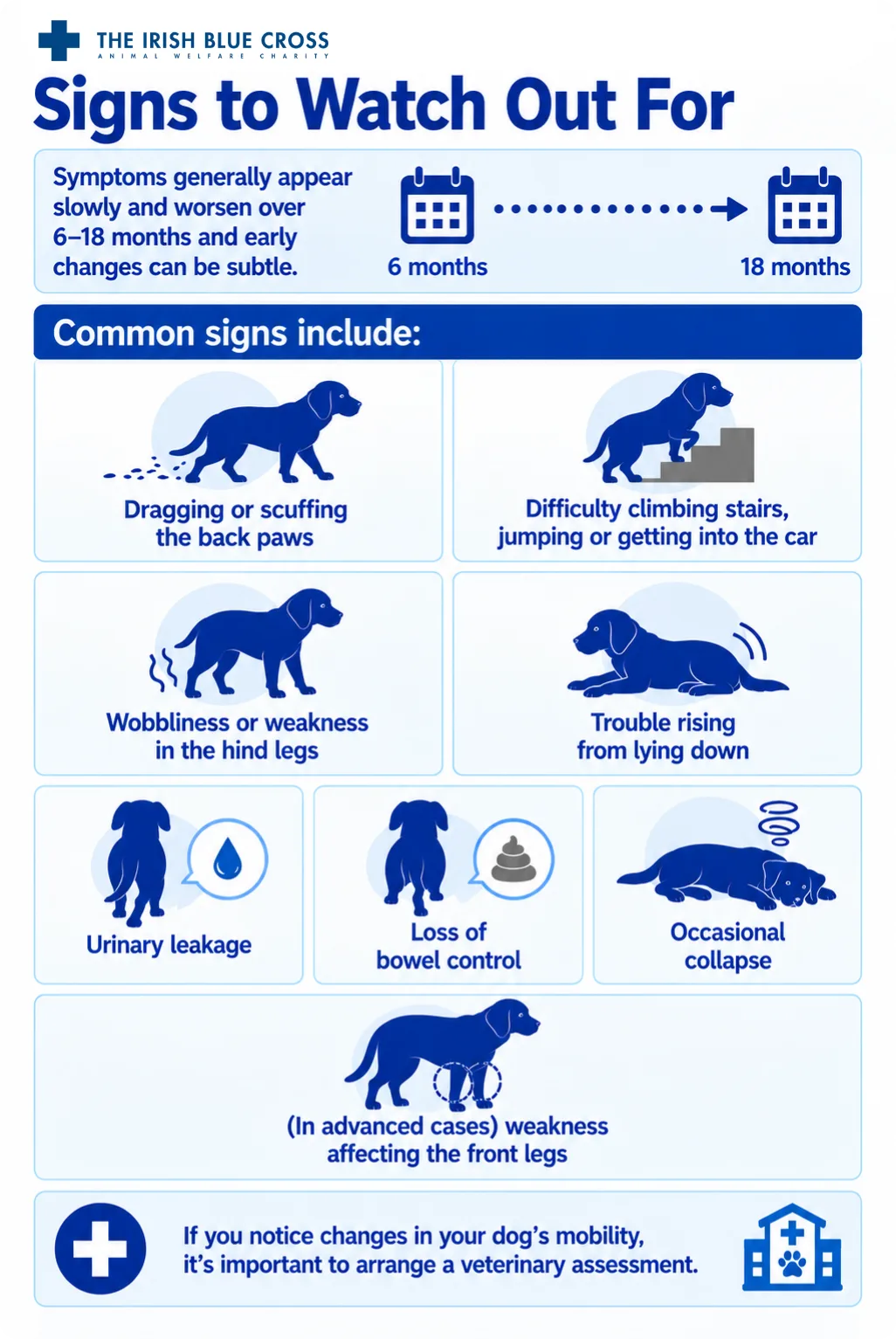
Degenerative myelopathy (DM), is a progressive neurological illness affecting the lower part of a dog’s spinal cord. Over time, the nerves responsible for movement in the hind limbs stop functioning properly. This leads to increasing weakness, loss of coordination, and eventually paralysis of the back legs. Many dogs will also develop bladder and bowel incontinence. In rare cases, the front legs may become involved in later stages.
Most dogs begin to show signs at around nine years of age. Although the condition is not typically painful, it has a serious impact on mobility and independence as it advances. At this point, families and veterinary teams may need to consider end-of-life decisions based on welfare and comfort. Sadly, there is currently no cure and the average survival time following diagnosis is approximately one to two years.
Although the disease cannot be reversed, there are many ways to support your dog’s comfort and mobility at home.
Keeping muscles active can help maintain strength for as long as possible. Short, controlled walks and guided physiotherapy may be recommended. Hydrotherapy can also be helpful in some cases. Always follow your vet’s guidance, as overexertion can cause exhaustion.
Dogs who drag their back feet may wear down their claws or injure their toes. Protective boots can help prevent sores, but they must fit properly and not restrict circulation.
Absorbent bedding and waterproof covers will help keep your dog dry. Regular cleaning and drying of the coat are essential to prevent skin irritation and urine scald. Your vet may advise routine urine checks, as infections are more common in incontinent dogs.
Choose a supportive, easy-access bed. Flat mattresses or memory foam beds are often more suitable than high-sided options for dogs with mobility issues.
Hard floors can become hazardous as strength declines, so rugs, mats, or carpet runners provide much-needed grip.
Support slings or a folded towel placed under your dog’s abdomen, can help them rise and walk short distances safely.
Your veterinary team will work with you to prioritise comfort and wellbeing. However, degenerative myelopathy is progressive, and many dogs will either pass away naturally or require euthanasia within one to two years of diagnosis.
Monitoring your dog’s happiness, appetite, comfort, and engagement with family life is essential. If you are concerned that your dog is struggling, or if caring for them becomes overwhelming, speak openly with your vet. Making end-of-life decisions is never easy, but your vet can guide you with compassion and support.
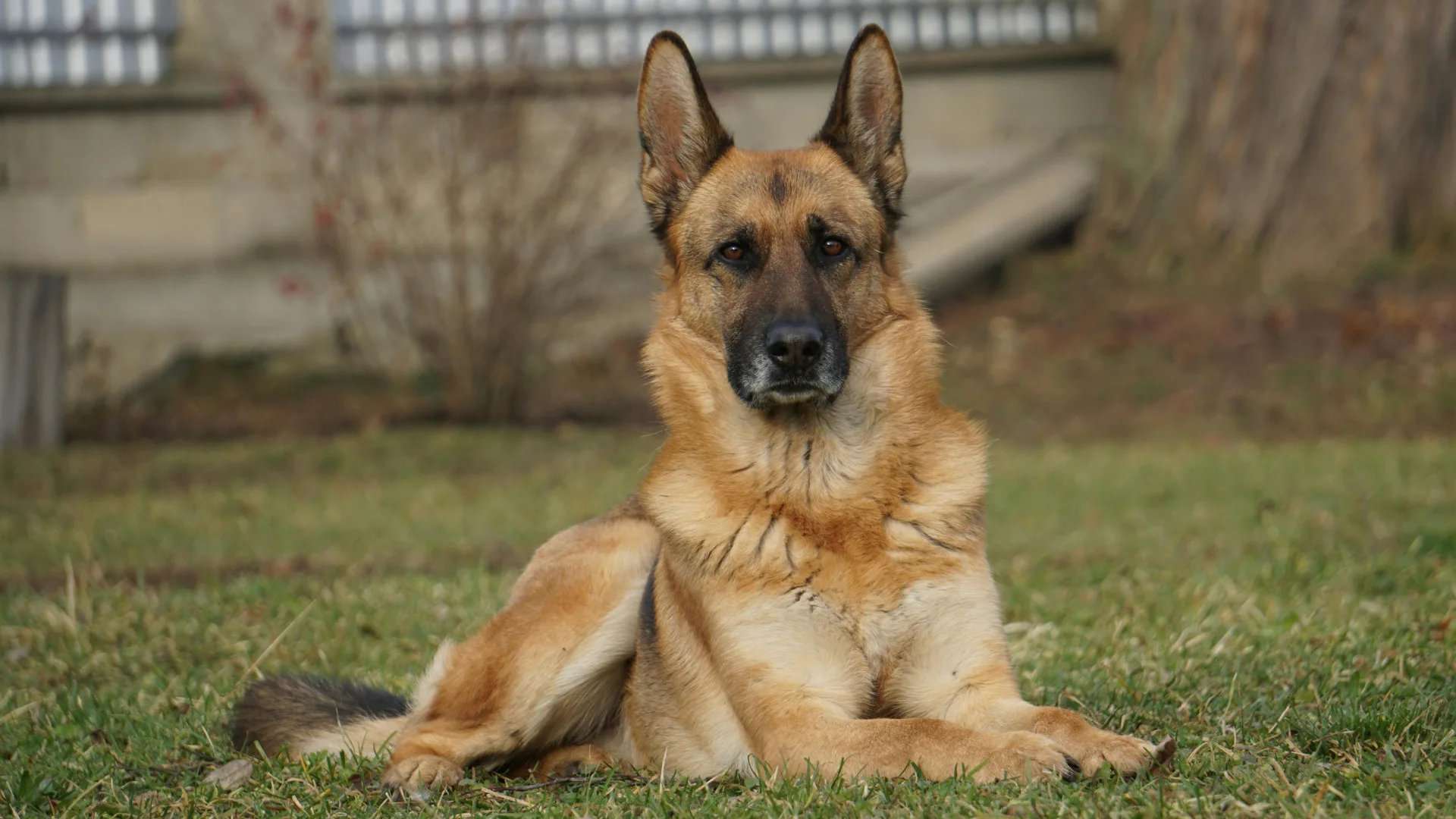
Degenerative myelopathy is inherited and is seen more frequently in certain breeds, including:
Because the condition is genetic, responsible breeding practices are vital.
Dogs known to carry or be affected by degenerative myelopathy should not be bred from. Genetic screening tests are available and can help breeders make informed decisions to reduce the risk in future generations.
Arrange a veterinary appointment if your dog:
You know your dog best. If something doesn’t feel right, even if the signs are mild, please seek veterinary advice.
Managing degenerative myelopathy can involve ongoing veterinary visits, physiotherapy, mobility aids, and significant home nursing care. Costs vary depending on the level of support required.
When planning care, it’s important to consider not only financial factors but also the practical and emotional commitment involved. Speak honestly with your vet about what is manageable for you and in your dog’s best interests.
Pet insurance taken out when your dog is young and healthy can provide valuable financial support.
If you are worried about your dog’s mobility or quality of life, please contact your local veterinary practice for advice. Early assessment can help ensure your dog receives the best possible support.