
The cruciate ligaments are strong bands inside your dog’s knee that help keep the joint stable. Think of them a bit like tough elastic holding everything in place.
When one of these ligaments becomes damaged, the knee loses its stability, which is often painful and makes walking difficult, so limping is usually the first sign owners notice.
Cruciate injuries commonly happen during everyday activities such as jumping, twisting, skidding, or turning awkwardly. Any dog can be affected, but injuries are more common in dogs that are overweight or have an inherited weakness in the joint.
Cruciate problems can be managed with or without surgery, depending on the dog and the severity of the injury. If your dog is limping or you’re worried about their knee, always contact your vet for advice.
Signs of cruciate ligament damage can vary. Some dogs show a mild limp, while others are unable to put any weight on the affected leg. Symptoms often appear suddenly and may include limping, stiffness when getting up or lying down, pain in the back leg, swelling around the knee, or walking in an unusual way.
You should contact your vet if your dog is limping, seems painful, or you suspect they may have injured their knee. Early assessment can help reduce pain and prevent further damage.
To diagnose cruciate disease, your vet will examine your dog’s knee to check for abnormal movement and may take X-rays. These help confirm the diagnosis and assess any early signs of arthritis.
Some cruciate injuries require surgery, while others can be managed without it. Your vet will help you decide which option is best based on your dog’s size, weight, lifestyle, and how severe the injury is.
Non-surgical treatment focuses on strengthening the muscles around the knee to help support the joint and reduce strain on the damaged ligament. This approach is most commonly used for dogs under 10kg, or those with mild signs.
Treatment usually involves a period of strict rest, followed by a very gradual and controlled return to exercise. Pain relief is often prescribed in the early stages, and weight management plays a key role. Some dogs also benefit from physiotherapy if it’s available.
Improvement can take several weeks to months. If progress is slow or symptoms worsen, surgery may be recommended.
There are several surgical techniques used to treat cruciate ligament damage. The most suitable option depends on your dog’s size and weight, as well as whether referral to a specialist surgeon is appropriate. Your vet will talk you through the options.
After surgery, recovery takes time. Your dog will need pain relief, strict rest, and a carefully planned return to exercise. Following your vet’s instructions closely is essential to give your dog the best chance of a successful recovery.
With appropriate treatment and good rehabilitation, many dogs return to a comfortable, active life. However, around one third of dogs that injure one cruciate ligament will go on to develop a similar problem in the other knee later in life.
Long-term care focuses on protecting the joints. Normal walking and controlled activity are encouraged, but strenuous activities such as repetitive ball chasing, jumping, and skidding should be limited.
Keeping your dog at a healthy weight is one of the most important ways to reduce pressure on their joints and slow the development of arthritis. Unfortunately, arthritis is common after cruciate ligament damage, so regular check-ups and joint supplements may be recommended by your vet.
While not all cruciate injuries can be prevented, there are two key steps that can significantly reduce the risk.
Keeping your dog slim helps minimise strain on their joints, and providing sensible, appropriate exercise, allows fitness to build gradually without overloading the knees.
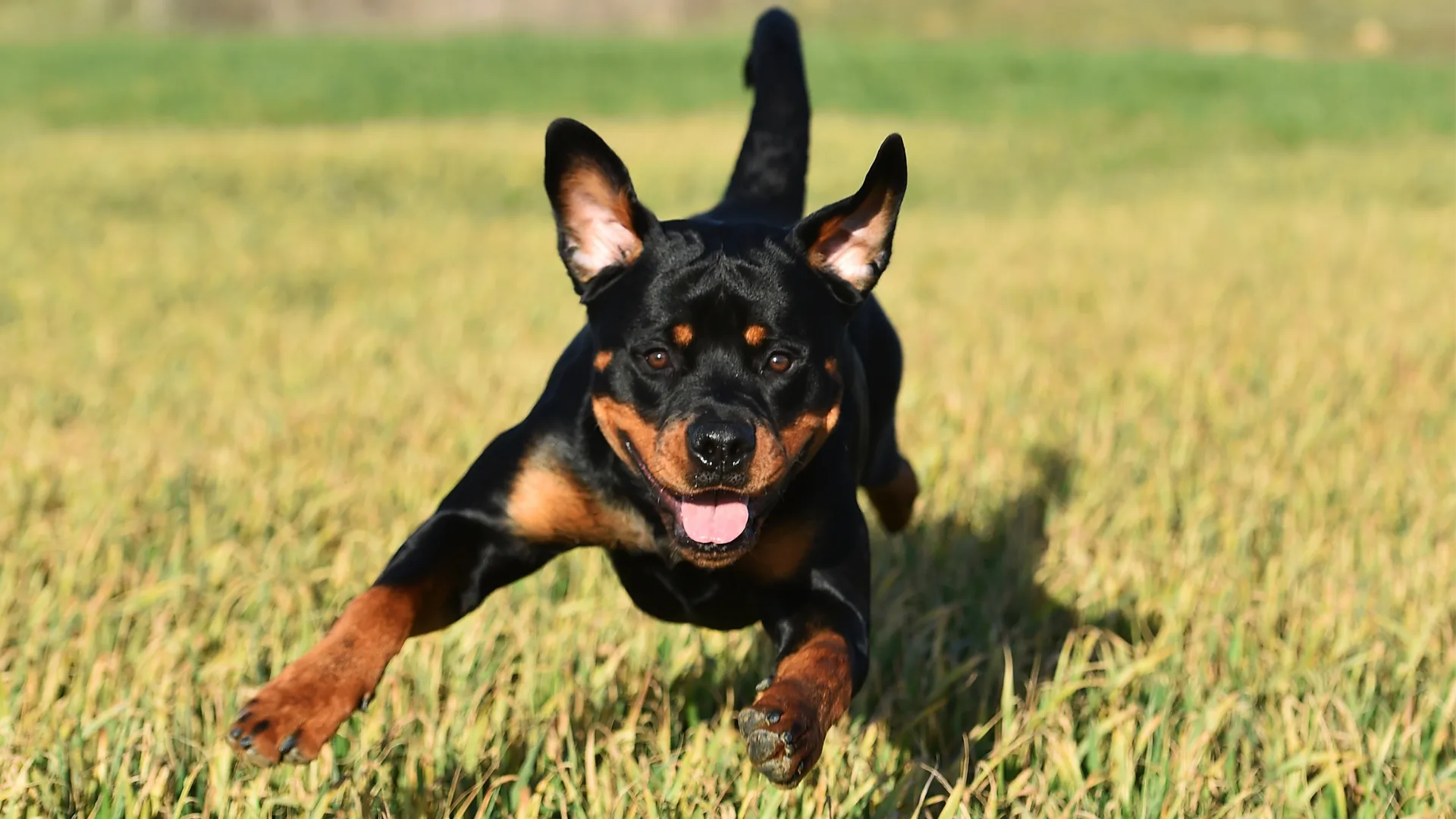
Cruciate injuries can affect any breed, but some, including Labradors, Rottweilers and Newfoundlands, are slightly more at risk. However, dogs that are overweight or regularly twist, skid, jump, or run on uneven ground are also more likely to develop problems.
Treatment for a cruciate ligament injury can be costly, and prices vary depending on the size of your dog, the treatment required, and the veterinary practice.
If you’re able to, consider pet insurance while your dog is young and healthy to help with unexpected illness or injury. If your dog becomes unwell, talk openly with your vet about the options, the likely costs, and what feels manageable for you. Together, you can tailor a plan that’s right for your dog and your situation.