
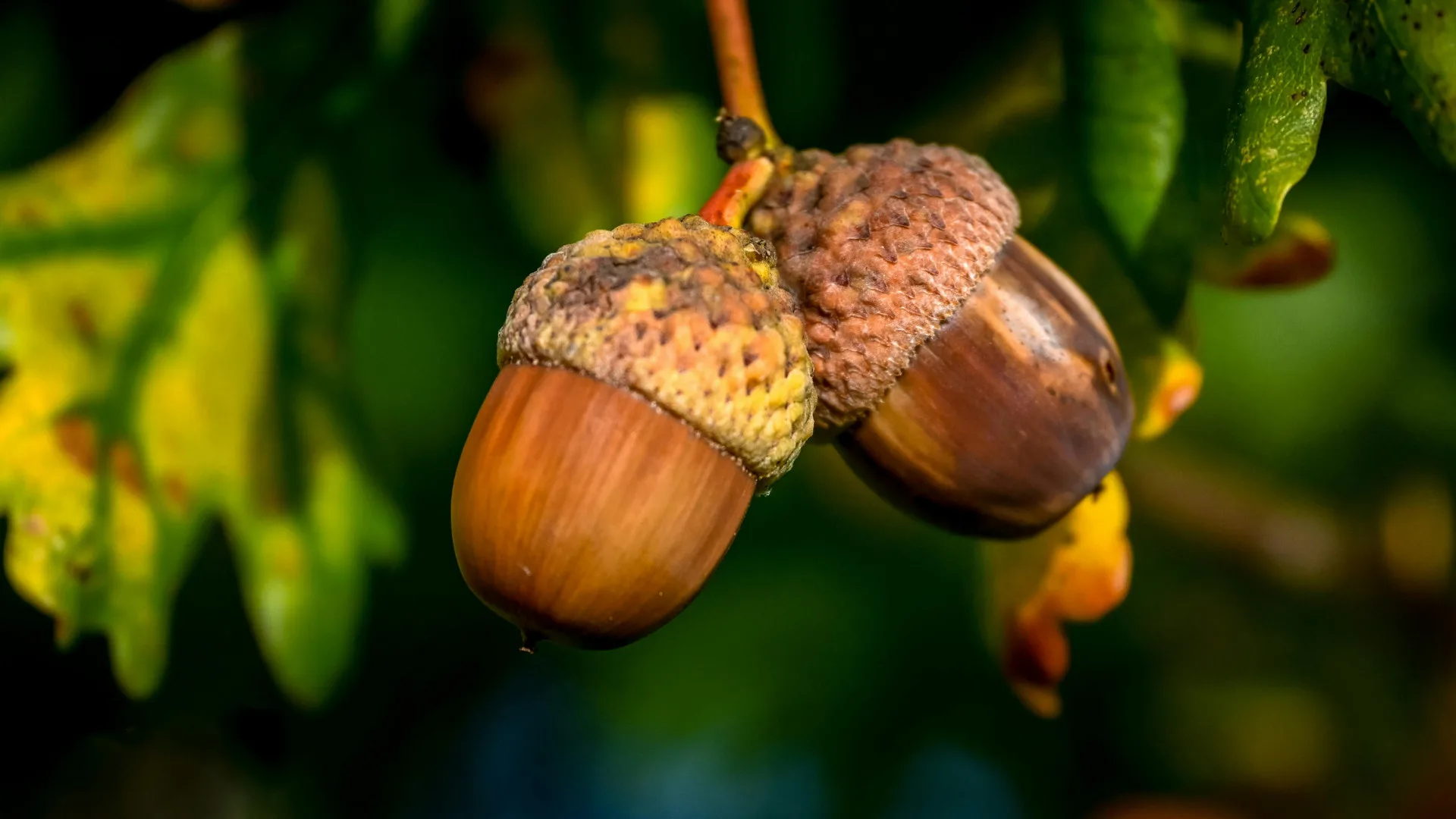
Autumn is a lovely time to head out for walks, but along with colourful leaves come acorns and conkers scattered across the ground. While they might seem harmless, acorns can pose a real risk to dogs if eaten, and many owners don’t realise just how dangerous they can be.
Acorns, like conkers, are poisonous to dogs. They can cause stomach upsets, and because they’re hard and sometimes spiky, they may also damage the gut or cause a blockage. In very rare cases, acorn poisoning has been linked to liver and kidney failure. Although serious illness is uncommon, it’s important to stay alert when walking your dog in areas with oak trees.
If you think your dog may have eaten an acorn, contact your vet straight away for advice.
Most dogs that eat acorns will develop signs of illness within a few hours. Signs can vary, depending on how many acorns were eaten and your dog’s size, but may include vomiting, diarrhoea, tummy pain, loss of appetite and dehydration. In more severe cases, dogs may collapse, and very rarely, acorn poisoning can be fatal.
Even if symptoms seem mild, it’s always best to speak to your vet if your dog has eaten an acorn.
Contact your vet as soon as possible. Early advice and treatment can make a big difference, especially if your dog has eaten more than one acorn or is starting to feel unwell.
Acorns contain tannins, which are chemicals that are toxic to dogs. When eaten, tannins can irritate the stomach and intestines, leading to vomiting and diarrhoea. In rare cases, they can cause serious damage to the liver and kidneys.
Because acorns are hard and don’t break down easily, they can also become stuck in the stomach or intestines, particularly in smaller dogs, causing a blockage.
Treatment depends on how unwell your dog is. Some dogs may only need medication to help settle vomiting, diarrhoea or pain. Others may need fluids to prevent dehydration, along with blood tests to check organ function.
If your vet is concerned that an acorn is causing a blockage, they may recommend x-rays, and in some cases, surgery may be needed.
Yes. All parts of an oak tree contain tannins, including the acorns, leaves, bark and wood. This means dogs should be discouraged from chewing or eating any part of the tree.
Dogs love exploring piles of leaves, especially when they’re full of exciting smells, so close supervision is key during autumn walks.
It can help to bring a favourite toy or treats to distract your dog, and to practise commands such as ‘leave’ or ‘drop’ so you can intervene quickly if they pick something up. Avoid encouraging your dog to play with or chase falling acorns.
If your dog seems unwell after a walk, even if you didn’t see them eat an acorn, please contact your vet for advice straight away.