
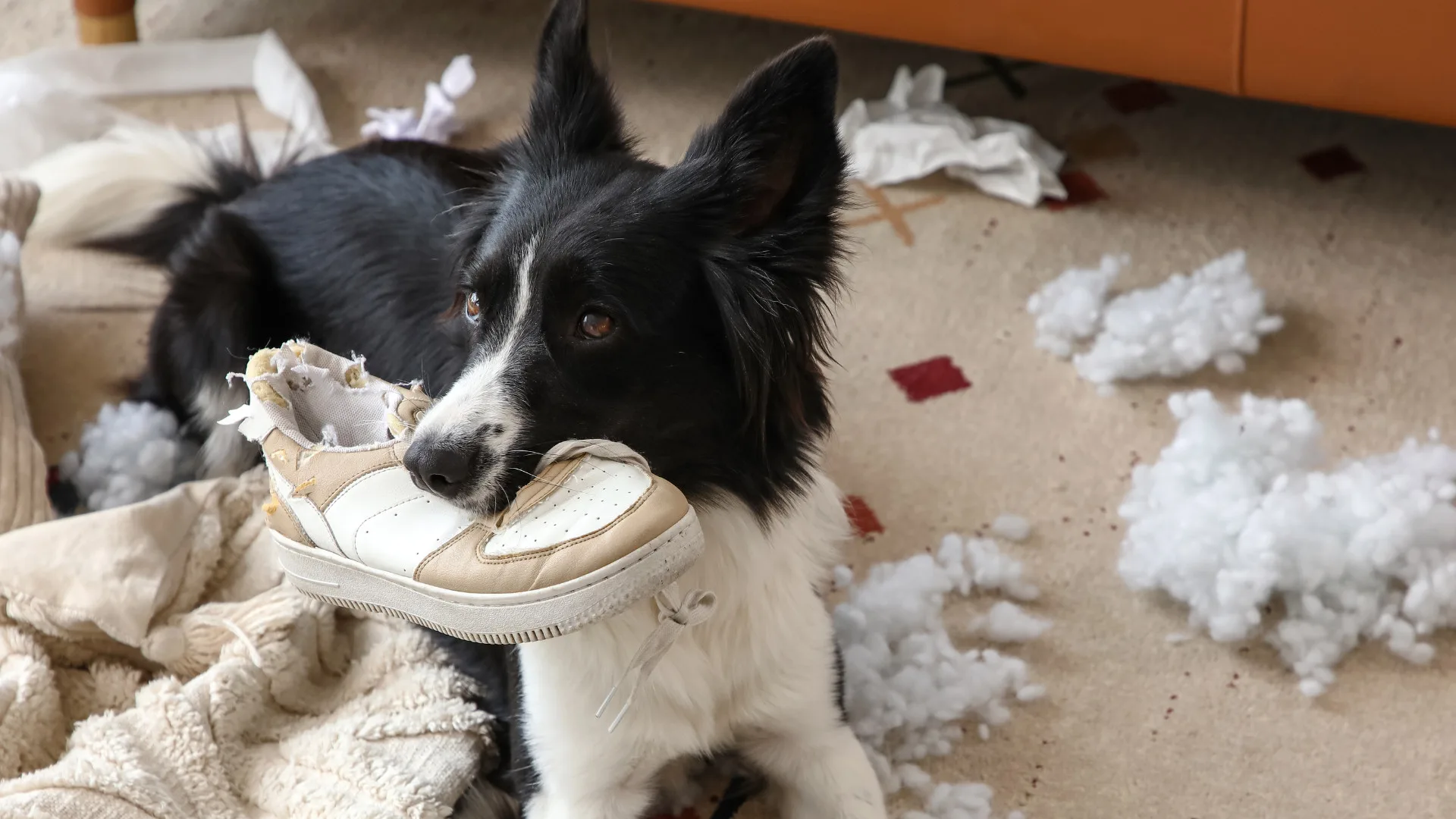
Most people prepare for the challenges of raising a puppy, house training, chewing, sleepless nights and basic training. But many owners are surprised when their once well-behaved puppy suddenly seems to forget everything they’ve learned.
This stage is often called dog adolescence, and it is a completely normal part of growing up.
Dogs usually enter adolescence at around 6–12 months of age, although this varies depending on breed and size.
Most dogs do not reach full social maturity until they are around 2–3 years old, so patience and continued training are important during this period.
During adolescence, dogs experience hormonal, physical and social changes. As their brains develop and they reach sexual maturity, their interests and behaviours can change.
This can make previously well-trained dogs seem distracted, ‘stubborn’ or unpredictable. While it can feel frustrating for owners, this phase is a normal developmental stage.
Many owners notice their dog suddenly stops responding to commands they previously knew well.
Your dog is not deliberately ignoring you! Adolescence brings increased curiosity and distractions, which can override training.
Continue practising training regularly using positive rewards.
Teenage dogs often become more energetic and excitable and they may:
Providing structured exercise, enrichment and training can help channel this energy.
As dogs reach social maturity, their preferences around other dogs may change.
Some dogs that previously loved playing with every dog they met may become more selective about their companions.
This is normal. Not all adult dogs enjoy interacting with every other dog.
Hormonal changes can influence behaviour, particularly if a dog is not neutered.
Possible behaviours include:
Neutering may reduce some hormone-related behaviours but will not solve all training or behaviour issues.
Adolescent dogs often experience a second fear period during development.
Your dog may suddenly seem nervous about things they were previously comfortable with, such as:
This phase is usually temporary, but it’s important to support your dog calmly and avoid forcing them into situations they find frightening.
Recall problems are common during adolescence as dogs naturally become more adventurous and interested in exploring.
If your dog is struggling with recall:
Consistency and patience are key.
Even though adult teeth are usually present by this stage, adolescent dogs often chew more as their jaws continue developing.
Provide appropriate chew toys and enrichment activities to help satisfy this natural behaviour.
Chewing can also help dogs relax.
Adolescence can be a challenging time for both dogs and owners, but there are many ways to help your dog through this phase.
Dogs learn best when training is enjoyable and rewarding, so continue to use treats, praise, toys and play and avoid punishment or harsh training methods, as these can damage trust and increase stress.
Teenage dogs have lots of energy and curiosity. Mental stimulation can help prevent boredom and frustration.
Examples include:
Mental exercise is as important for dogs as physical activity.
If your dog becomes nervous about something new, introduce it gradually and at a pace they are comfortable with.
Avoid overwhelming situations such as very busy environments if your dog is feeling unsure.
Neutering can help prevent unwanted pregnancies and may reduce some hormone-related behaviours.
However, it is not a cure-all for behaviour problems. The right time to neuter can depend on:
Your vet can advise on the most appropriate timing for your dog.
If your dog’s behaviour becomes difficult to manage or seems to be worsening, speak to your vet or a qualified dog behaviourist.
Early support can prevent small issues from becoming long-term problems.
Adolescence can feel like your well-behaved puppy has suddenly become a rebellious teenager, but this phase will pass.
With patience, consistency and positive training, most dogs grow into calm and well-adjusted adults. Your guidance during this stage plays a big role in shaping the dog they will become.